
The Aeronautical Development Establishment (ADE), a leading aerospace laboratory under the Defence Research and Development Organisation (DRDO), is upgrading its manufacturing and simulation infrastructure to strengthen India’s capabilities in indigenous aircraft and unmanned aerial vehicle (UAV) development.
The latest infrastructure initiatives are aimed at modernising advanced manufacturing equipment and improving ground-based simulation facilities used to verify flight-control systems ahead of developmental flight testing. The upgrades are expected to support emerging military aviation programmes, including autonomous UAVs, unmanned combat systems and the Advanced Medium Combat Aircraft (AMCA).
One of the primary areas of development is the modernisation of Tooling, Assembly and Machining Systems (TAMS), a core element of ADE’s prototype production ecosystem. These facilities are used to manufacture precision components for experimental aircraft, UAVs, flight-control systems and advanced aerodynamic structures.
Under the TAMS modernisation effort, existing multi-axis Computer Numerical Control (CNC) machines will be upgraded with improved machining capabilities. The enhanced equipment will enable the production of complex aerospace components with tighter dimensional tolerances. Such precision is increasingly important for advanced combat aircraft, particularly structures requiring sophisticated aerodynamic and low-observable characteristics.
ADE is also enhancing its precision metrology and inspection capabilities. Aerospace manufacturing requires highly accurate measurement and quality verification, especially for composite structures, flight-control actuators and components associated with reduced radar observability. Improved metrology systems will allow engineers to conduct more precise inspections and ensure components meet required specifications before assembly and testing.
Additional calibration equipment will support manufacturing operations involving aerospace-grade titanium alloys and advanced composite materials. These materials are increasingly important in military aviation due to their combination of low weight, high strength, corrosion resistance and suitability for reducing aircraft signatures.
The upgraded manufacturing infrastructure will allow ADE to accelerate prototype production while maintaining the demanding quality standards associated with military aerospace applications. Faster access to precision-manufactured components could also help shorten development cycles for future aircraft and autonomous platforms.
At the same time, ADE is strengthening its Flight Control System (FCS) Integration Complex in Bengaluru. The facility plays an important role in the development and validation of fly-by-wire flight-control systems and autonomous flight technologies.
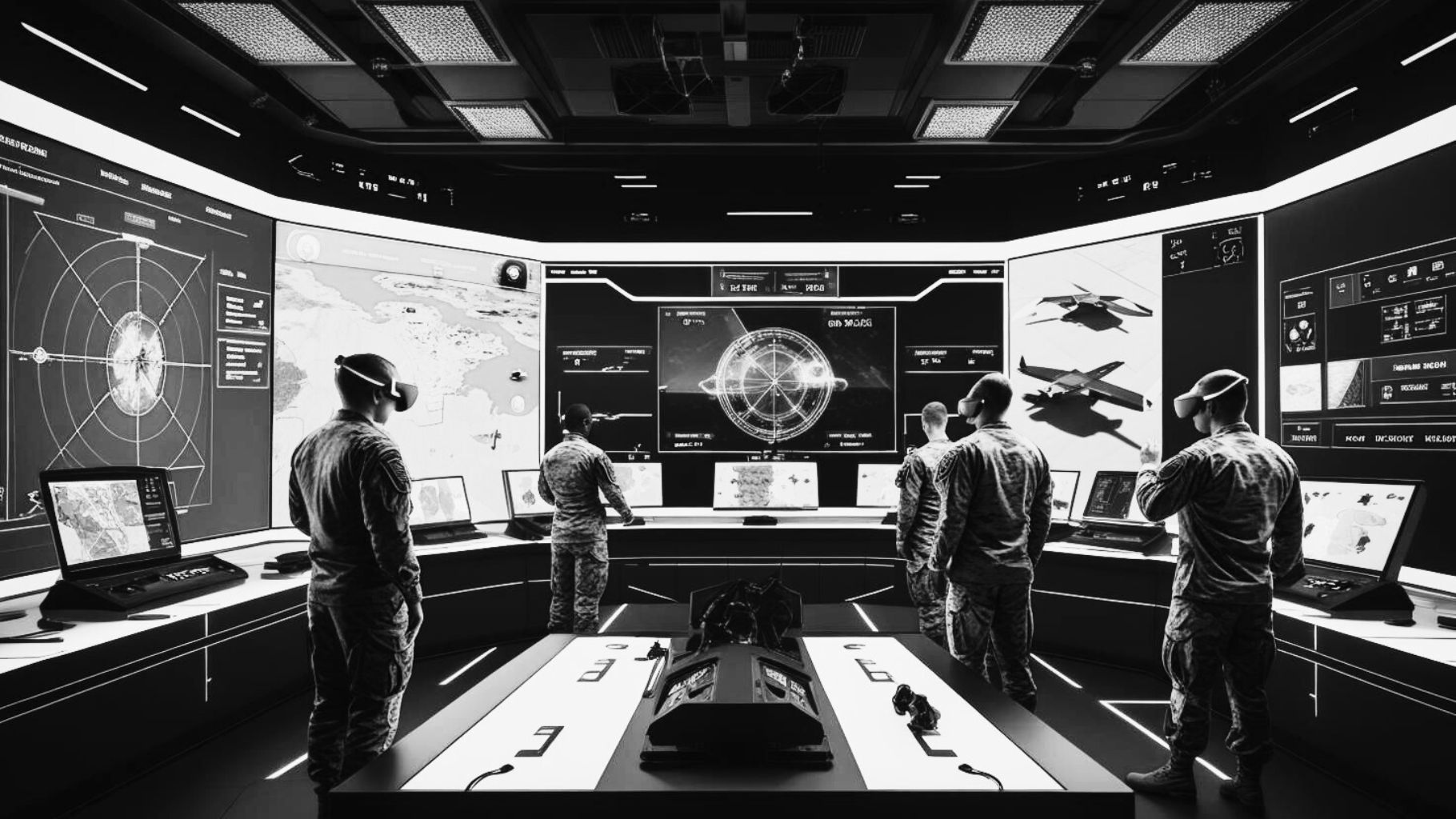
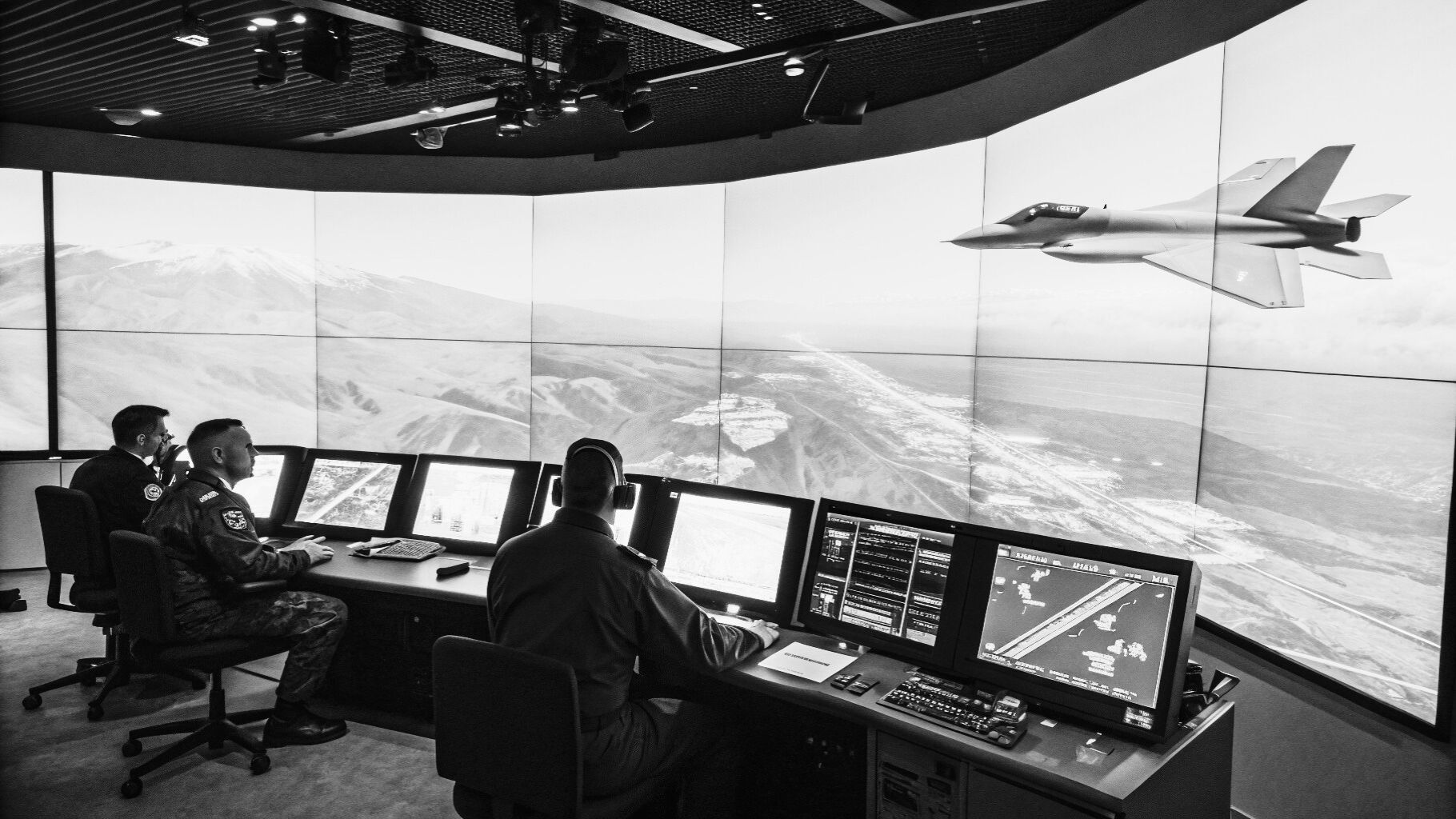
The seven-storey complex contains specialised simulation laboratories designed to test flight-control software before it is integrated into prototype aircraft. The facility combines real aircraft hardware with sophisticated simulated environments, allowing engineers to recreate and assess complete flight-control architectures under controlled ground conditions.
The infrastructure support programme also covers specialised testing systems, including Hardware-in-the-Loop (HIL) laboratories and Iron Bird rigs. HIL simulation connects actual flight-control computers, sensors, actuators and avionics to simulated aircraft models. Engineers can therefore assess how individual components and integrated systems respond to realistic flight scenarios without exposing an aircraft to flight-test risks.
Iron Bird systems provide a complementary testing environment by replicating an aircraft’s flight-control architecture on the ground. Hydraulic actuators, electronic flight-control computers and mechanical control systems can be integrated and evaluated to identify potential interface or subsystem issues before installation on an aircraft prototype.
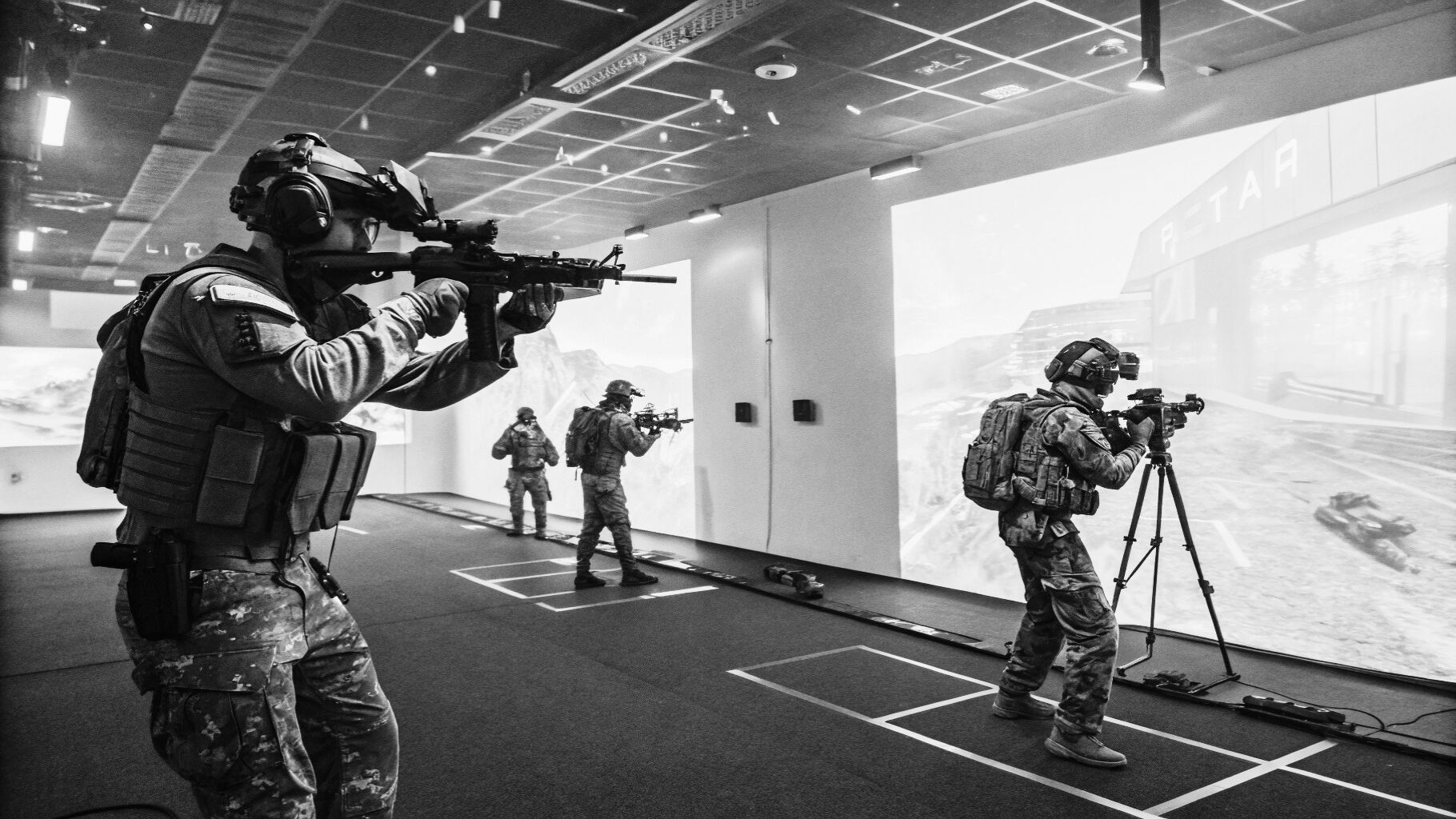
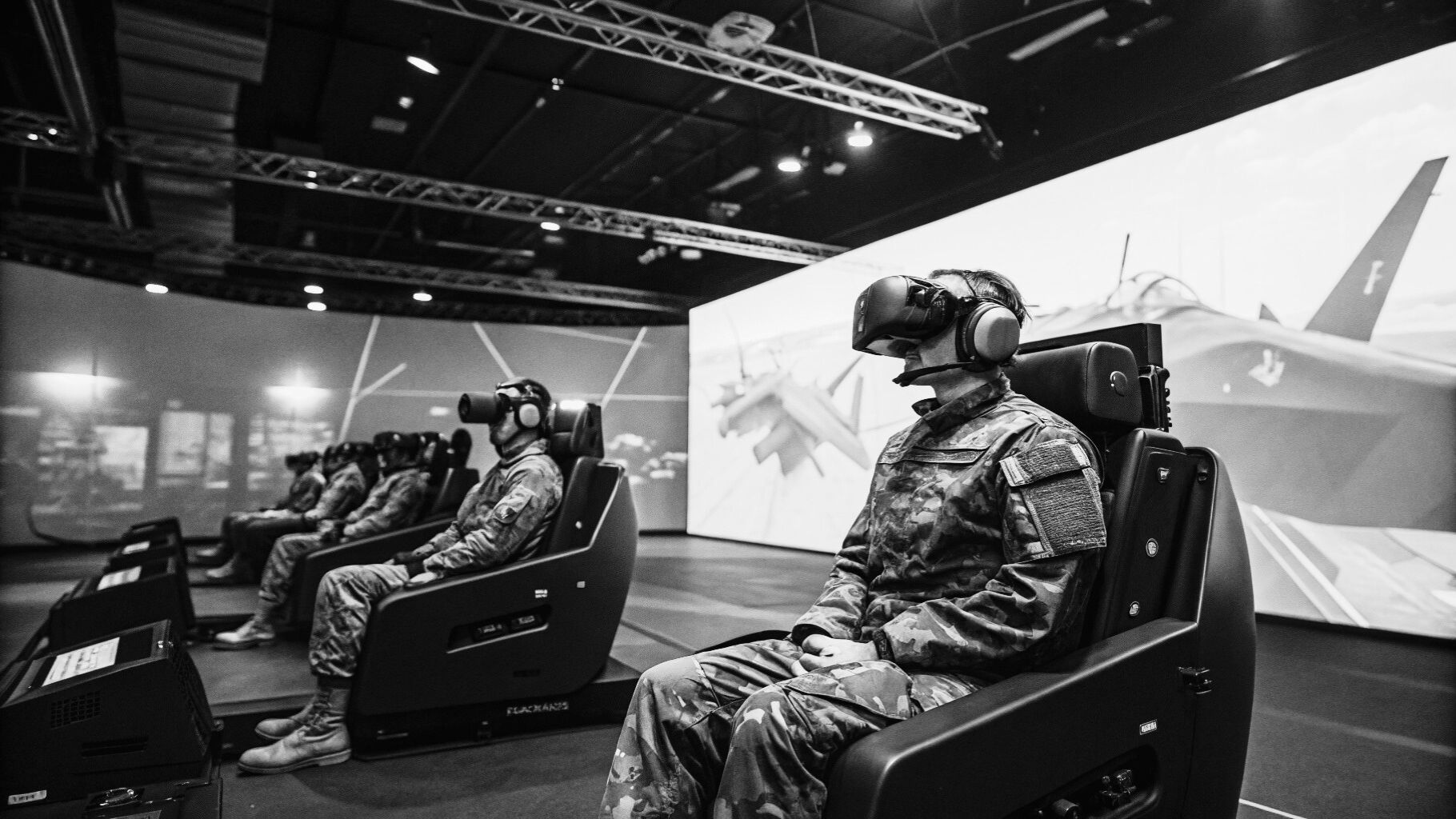
Pilot-in-the-loop simulation is another important capability. It allows test pilots to operate realistic cockpit environments and assess handling qualities while engineers monitor pilot inputs and aircraft responses. The resulting data can be used to refine flight-control software and improve aircraft handling before flight trials.
These capabilities are especially important for developing and validating Control Laws (CLAW), which govern the behaviour of modern fly-by-wire aircraft. Advanced platforms such as the AMCA will depend on sophisticated digital flight-control systems to maintain stability, execute manoeuvres and deliver predictable handling performance across a wide range of operating conditions.
Extensive HIL and Iron Bird testing can help engineers identify potential software and hardware issues before flight testing, reducing technical risks and improving confidence in flight-critical systems.
ADE’s infrastructure expansion highlights the growing importance of advanced ground-based engineering capabilities in India’s military aviation programmes. Developing next-generation aircraft requires more than advanced design expertise; it also demands precision manufacturing, high-accuracy inspection, sophisticated simulation and comprehensive system-integration facilities.
By strengthening these capabilities, ADE can improve India’s ability to rapidly develop, prototype and validate indigenous military aircraft and autonomous systems. The modernised infrastructure is expected to contribute to shorter development cycles, improved system reliability and reduced technical risks across future aerospace programmes.