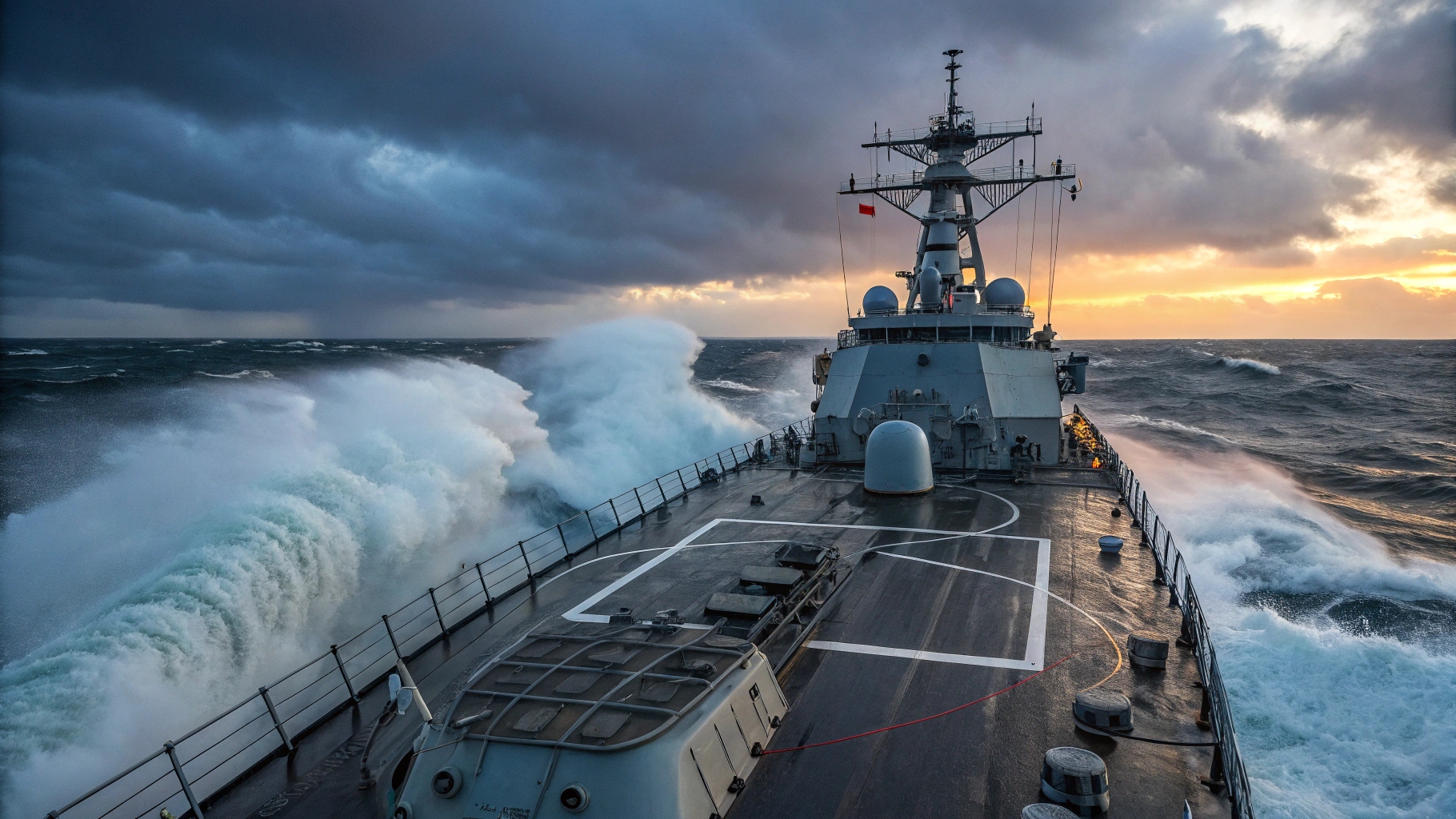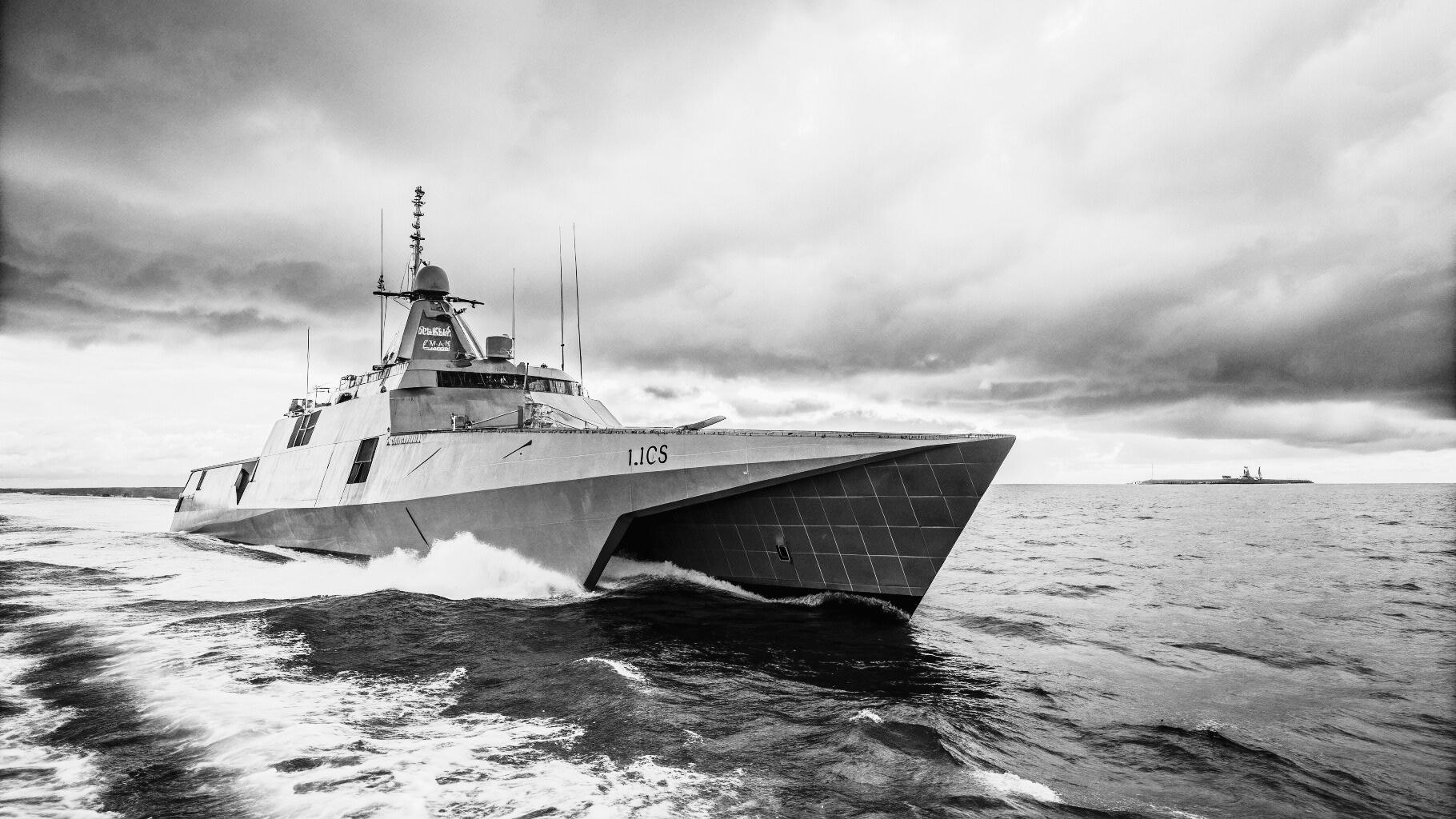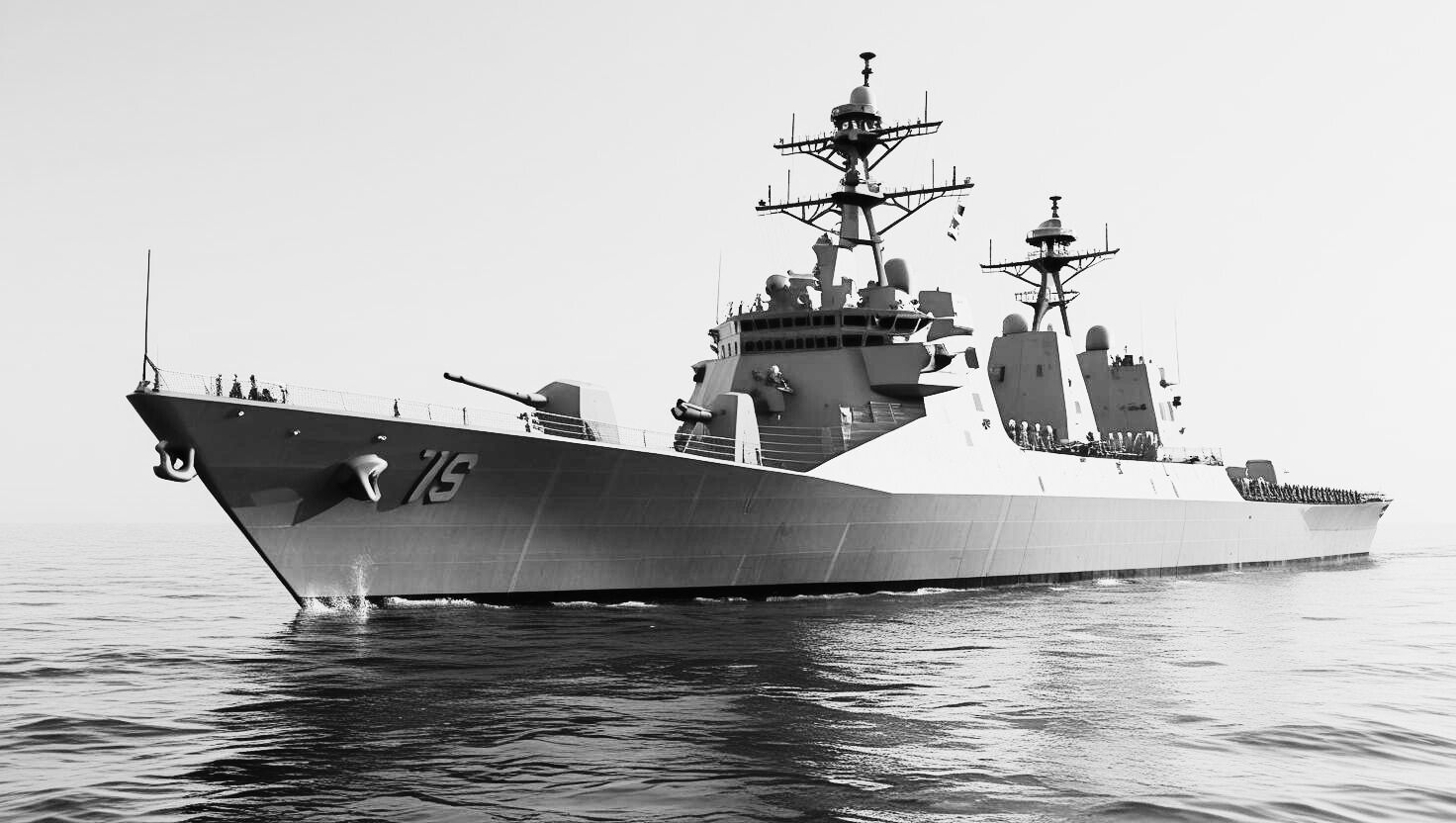
India’s Project 18 Next-Generation Destroyer (NGD) program is shaping up to be the Indian Navy’s most ambitious surface combatant initiative since independence, with Naval Headquarters and the Warship Design Bureau (WDB) reportedly planning to build 10 to 12 advanced stealth destroyers. The program marks a significant shift from the Navy’s traditional approach of producing relatively small classes of major warships, such as the three Project 15A Kolkata-class and four Project 15B Visakhapatnam-class destroyers.
Rather than serving as a limited production program, Project 18 is intended to become the backbone of India’s blue-water naval capabilities through the 2050s. The destroyers are expected to displace between 11,000 and 13,000 tonnes, placing them in the cruiser category and making them the largest surface combatants ever built in India.
The ships are planned to feature around 144 Vertical Launch System (VLS) cells, capable of deploying a mix of long-range air defense missiles, including Kusha and PGLRSAM, alongside offensive weapons such as the BrahMos Extended Range supersonic cruise missile and future Indian Tactical Cruise Missile (ITCM) or Long-Range Land Attack Cruise Missiles (LRLACM). This extensive arsenal would provide the vessels with enhanced strike capabilities against aerial, naval, and land-based targets while significantly increasing missile capacity compared to existing Indian destroyers.
The Navy’s decision to pursue a double-digit production run reflects expanding operational requirements across the Indian Ocean Region and the wider Indo-Pacific. By the 2040s, the Navy expects to maintain multiple carrier strike groups, expeditionary task forces, and independent surface action groups simultaneously. A larger fleet of advanced destroyers will ensure sustained operational availability despite maintenance cycles and deployment rotations.
To manage costs and integrate evolving technologies, the Ministry of Defence is expected to implement Project 18 through a phased procurement strategy. The first phase, comprising four to five ships, is reportedly approaching Acceptance of Necessity (AoN) approval by the Defence Acquisition Council and is expected to be among India’s costliest indigenous naval construction programs. This phase will focus on validating the new hull design, integrating Integrated Electric Propulsion (IEP), and maturing the baseline combat system.
IEP represents one of the program’s most significant technological advancements by replacing conventional mechanical propulsion with centralized electrical power generation. This architecture will support propulsion while simultaneously powering advanced sensors, electronic warfare systems, and future high-energy weapons such as directed-energy systems.
Following operational validation, a second phase involving six to seven additional destroyers is expected to incorporate advanced technologies, including BrahMos-II hypersonic missiles, directed-energy weapons, enhanced sensor fusion, and next-generation electronic warfare capabilities without requiring major hull redesigns. This approach is intended to maintain a common platform while allowing continuous capability upgrades.
Project 18 also carries major industrial benefits. Spreading research and development costs across 10 to 12 vessels significantly reduces overall program costs while providing long-term production stability for Mazagon Dock Shipbuilders Limited (MDL) and Garden Reach Shipbuilders & Engineers (GRSE). The sustained production run is expected to strengthen India’s naval shipbuilding ecosystem by improving modular construction, workforce specialization, supply chain integration, and indigenous technology development.