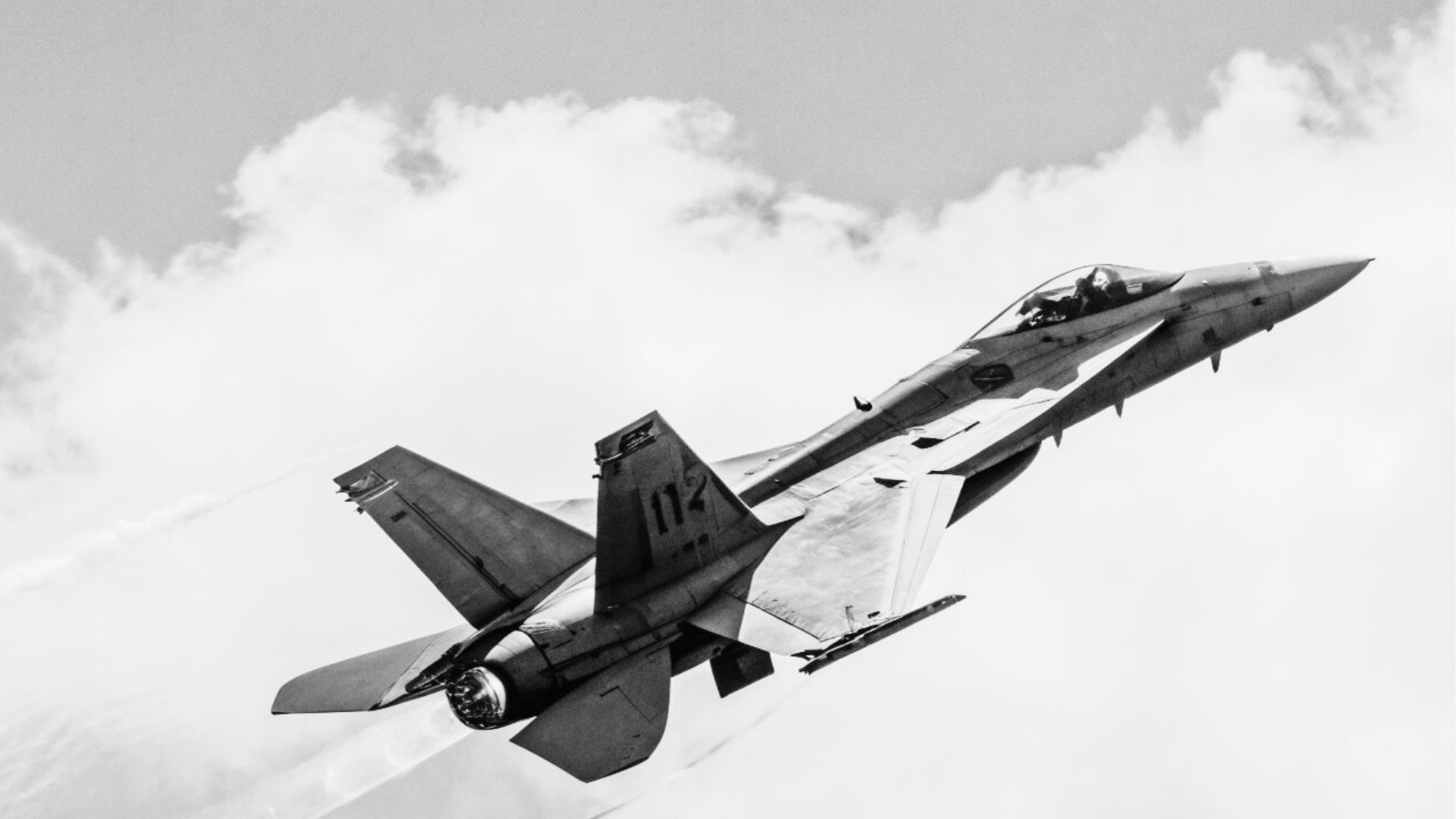
Negotiations between India and Russia over the acquisition and local production of the Su-57E fifth-generation fighter have reportedly reached an advanced stage, with Moscow offering a package that combines immediate aircraft deliveries with licensed manufacturing in India.
According to Russian sources, the proposal calls for an initial batch of fully assembled Su-57E fighters to be delivered directly to the Indian Air Force (IAF), followed by the transfer of production to Indian facilities under a licensing agreement. The arrangement is intended to rapidly strengthen the IAF’s combat capabilities while supporting India’s objective of expanding indigenous defense manufacturing.
Russian officials stated that discussions have progressed significantly, with Moscow providing detailed technical information on the aircraft and demonstrating flexibility regarding production localization and industrial participation. In addition to licensed manufacturing, Russia has proposed jointly developing a two-seat Su-57 variant tailored to the IAF’s operational requirements. The offer also includes local production of Russian-origin air-launched weapons and the integration of Indian-developed systems, allowing greater customization and increased indigenous content.
As part of the ongoing discussions, Russian experts have conducted an assessment of Hindustan Aeronautics Limited (HAL) facilities, where the Su-30MKI has long been produced under license. The existing infrastructure and manufacturing experience are expected to facilitate local production should the agreement be finalized.
Russia continues to promote the Su-57E as a fully capable fifth-generation stealth fighter featuring a reduced radar signature through its stealth-optimized airframe, internal weapons bays, radar-absorbing materials, Active Electronically Scanned Array (AESA) radar, advanced electronic warfare suite, multi-channel weapons management system, and network-centric combat capabilities.
Russian sources also highlight the aircraft’s operational experience in contested Anti-Access/Area Denial (A2/AD) environments, claiming that combat deployments have validated its performance against sophisticated air defense and electronic warfare systems. Additional capabilities include onboard artificial intelligence-assisted functions, advanced sensor fusion, and large internal weapon bays that enhance mission flexibility while preserving stealth characteristics.