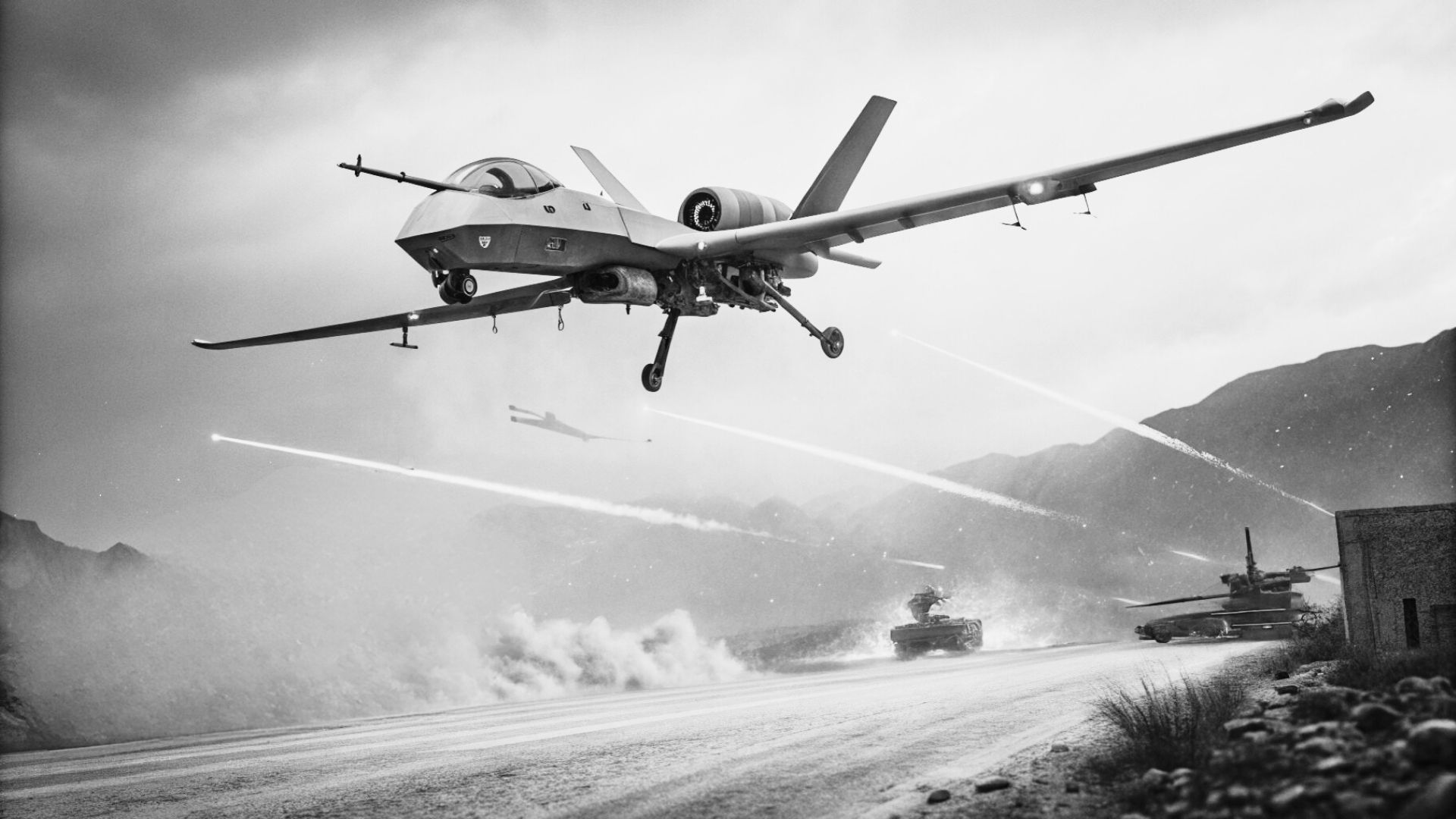
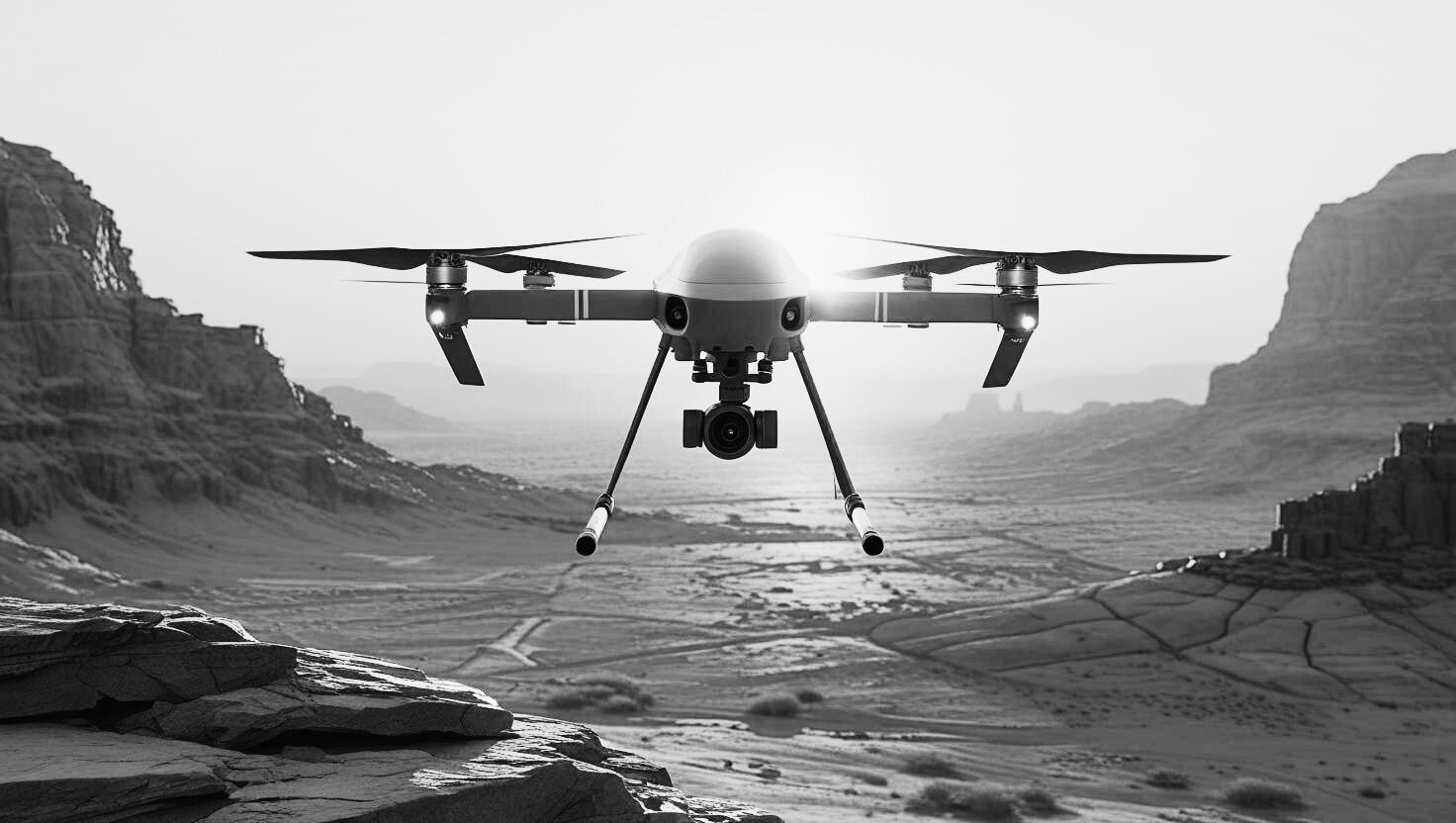
US military leadership has identified a significant weakness in North America’s ability to counter potential drone swarms, warning that NORTHCOM and NORAD do not yet have adequate sensors and defensive interceptors for the emerging threat.Lt. Gen. Joseph Jarrard, deputy head of US Northern Command and vice commander of the US component of NORAD, raised the concern during a recent defense conference in Alabama. His remarks focused on the difficulty of detecting and defeating large numbers of low-cost unmanned aircraft operating close to US territory.Small drones have become increasingly important in modern conflicts because they can be produced and deployed at comparatively low cost. Their widespread use has demonstrated how inexpensive unmanned systems can challenge conventional military defenses and surveillance arrangements.According to Jarrard, the current North American defense structure is not adequately equipped to deal with a large-scale domestic drone threat. In particular, the shortage of suitable sensors could make it difficult to establish reliable awareness of numerous small aerial targets operating simultaneously.The problem extends beyond simply detecting drones. Once a threat has been identified, military forces also need appropriate methods to track, classify, and neutralize it. This creates demand for a layered counter-drone approach capable of handling different types and quantities of unmanned aircraft.The US military has already been examining a range of counter-UAS technologies, but the comments indicate that additional investment and integration may be required for homeland defense missions. Future systems could combine conventional air-defense weapons with electronic and other lower-cost technologies.For NORTHCOM and NORAD, the challenge is especially important because their missions involve monitoring and protecting the North American aerospace environment. The rapid proliferation of drones means that existing surveillance systems must increasingly account for smaller and slower targets in addition to conventional aircraft and missiles.The warning highlights how the changing character of aerial threats is influencing US defense planning. Building a sustainable response will require systems that can detect numerous targets quickly while maintaining an affordable cost structure for prolonged operations.