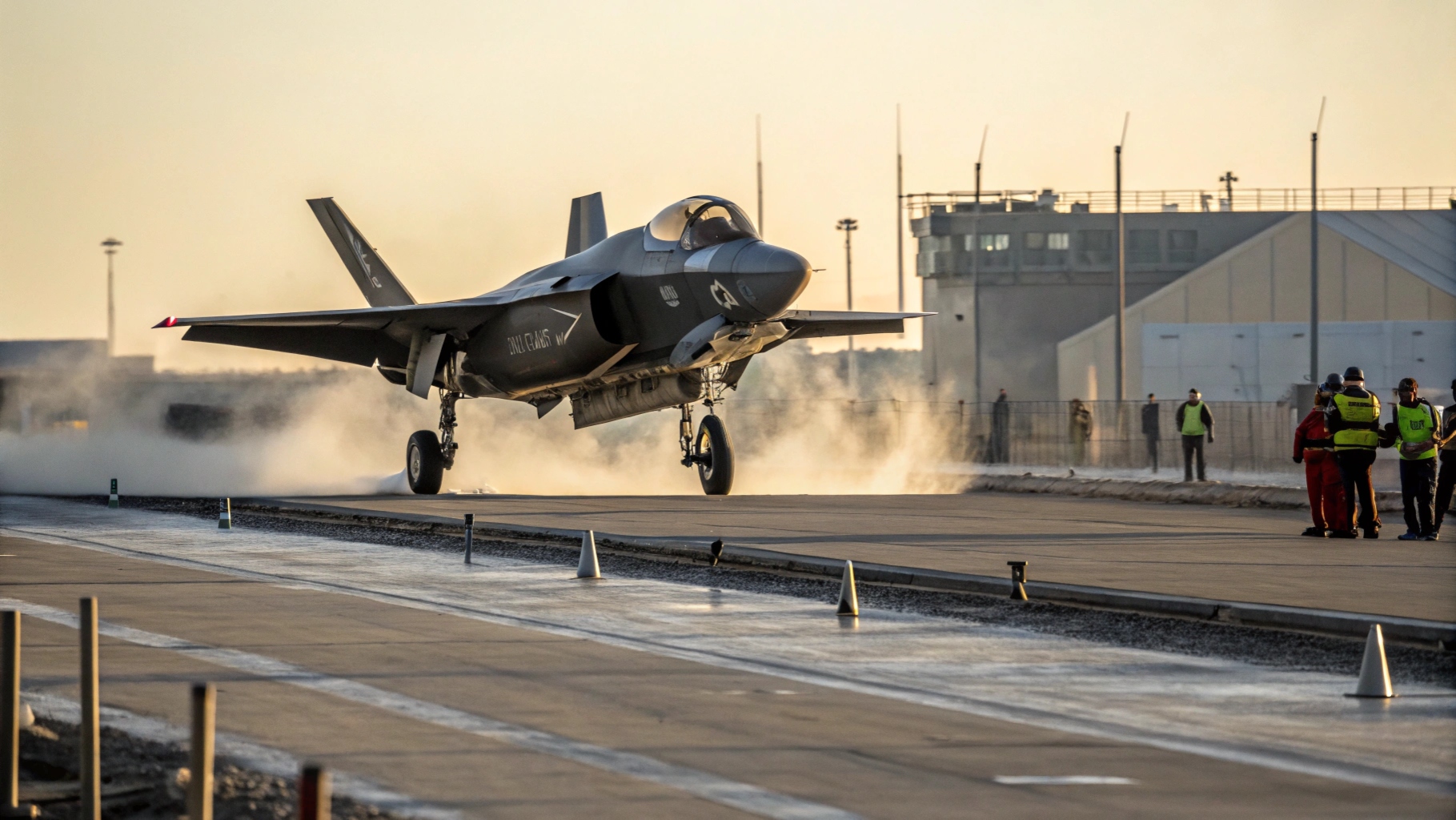
India’s Advanced Medium Combat Aircraft (AMCA) MkII is being developed as an indigenous 5.5-generation stealth fighter equipped with an advanced Artificial Intelligence (AI)-powered Electronic Pilot (E-Pilot) system designed to function as a digital mission assistant. While the programme is led by the Aeronautical Development Agency (ADA), the deepening India-France strategic partnership under the Innovation Roadmap 2030 could open opportunities for collaboration in AI-driven mission systems, advanced avionics, and network-centric warfare technologies.
The AMCA MkII is envisioned as more than a stealth platform, serving as a highly connected combat aircraft capable of operating within a network-centric battlefield. Central to this capability is the AI-enabled E-Pilot, which will act as a virtual co-pilot by processing large volumes of operational data in real time to support pilot decision-making.
Rather than replacing the human pilot, the E-Pilot is intended to automate demanding tasks such as sensor fusion, threat assessment, target prioritization, and mission management. By handling these computational functions, the system aims to reduce pilot workload during combat operations while enabling faster and more accurate tactical decisions.
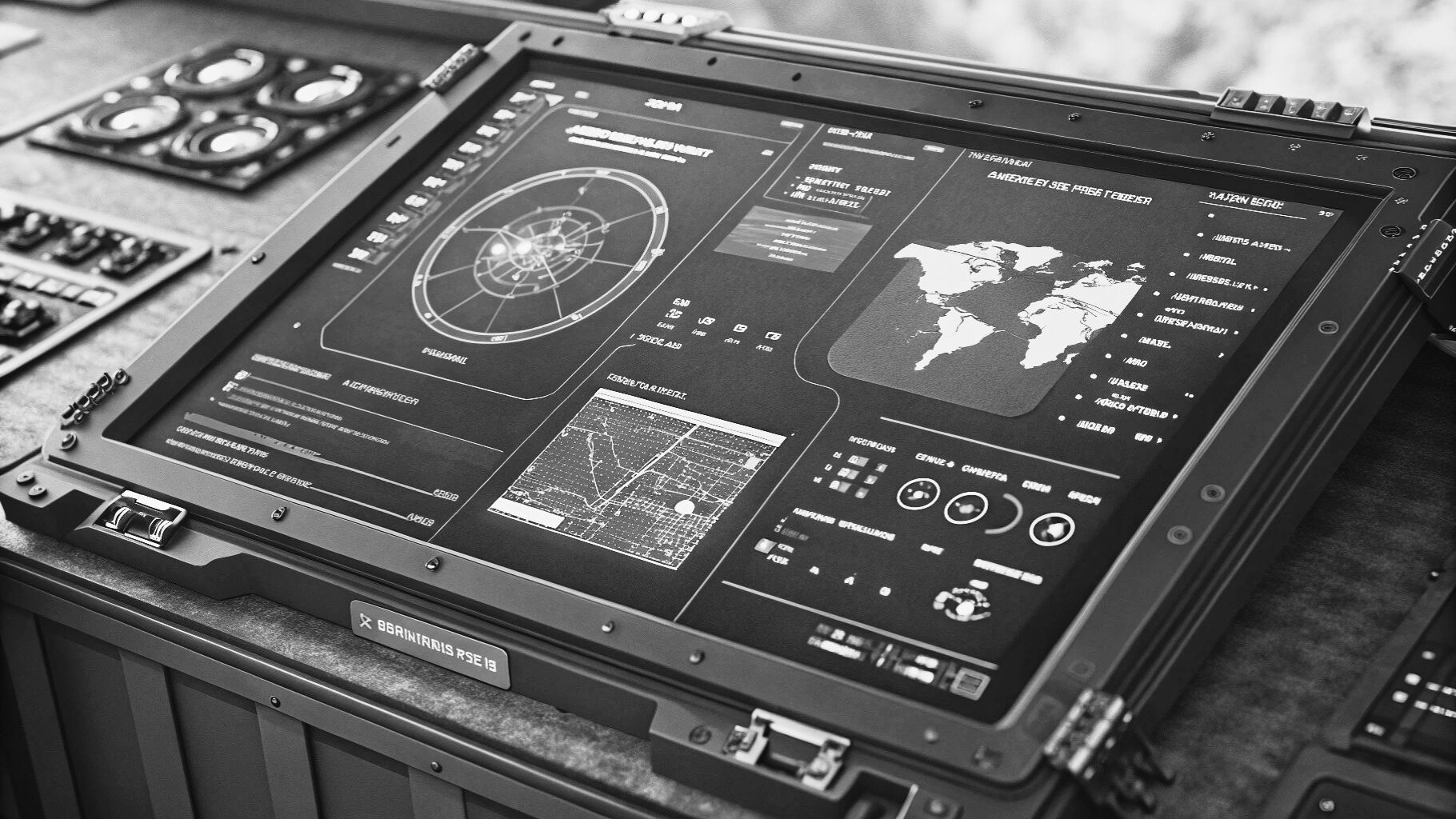
Sensor fusion will play a key role in the aircraft’s architecture. The AMCA MkII is expected to integrate information from its Active Electronically Scanned Array (AESA) radar, Infrared Search and Track (IRST) system, and electronic warfare suite into a unified tactical picture. This consolidated battlefield view will improve situational awareness and minimize the need for pilots to interpret multiple independent data sources.
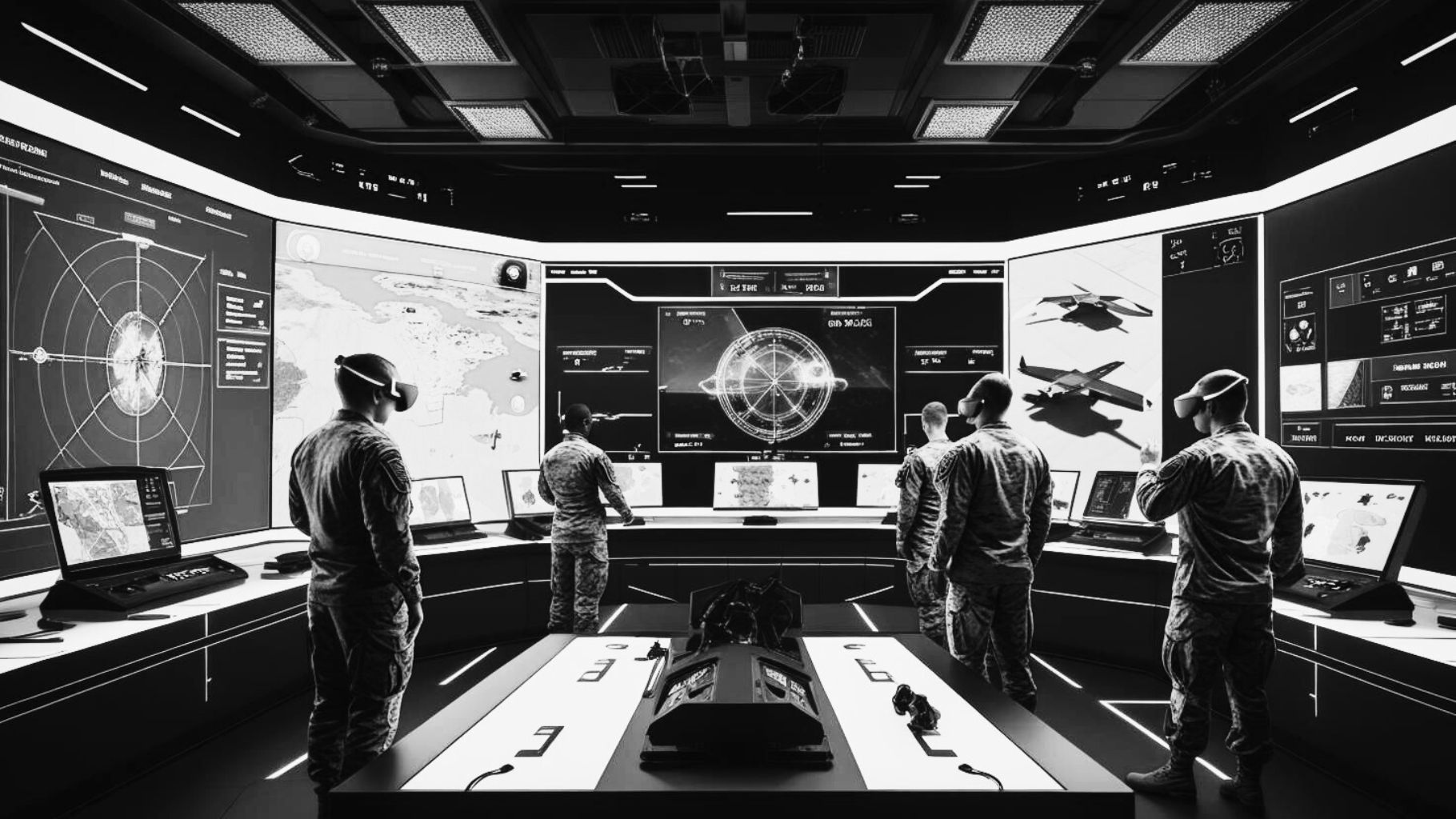
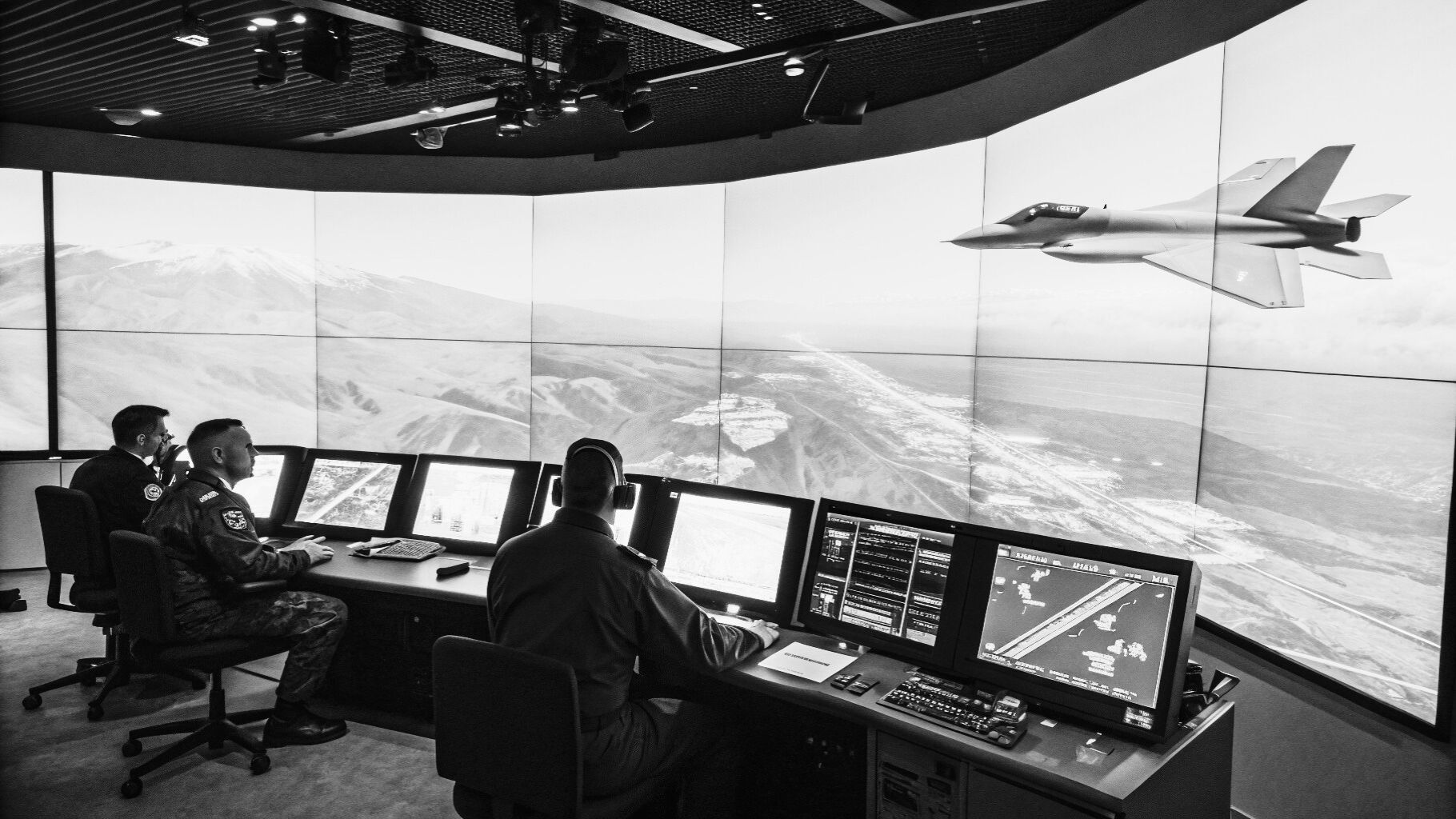
The aircraft is also being designed to operate as an intelligent node within a network-centric combat environment. Secure data links will enable it to exchange information with command centers, naval platforms, airborne early warning aircraft, and other combat assets, creating an interconnected battlespace similar to the “Combat Cloud” concepts being pursued in several next-generation fighter programmes.
Although AMCA MkII remains an indigenous Indian project, expanding defence cooperation with France—including the India-France AI Working Group—offers a platform for collaboration in advanced propulsion, AI, avionics, and mission computing. French experience gained through Rafale F4, the future F5 standard, and next-generation combat aviation programmes could complement India’s efforts to develop sophisticated collaborative combat systems.
Both India and France are pursuing a System-of-Systems approach that integrates manned fighters, unmanned platforms, sensors, and command networks into a unified operational ecosystem. This shared vision could encourage compatible standards for secure communications, AI interoperability, and coordinated operations with autonomous “Loyal Wingman” aircraft.
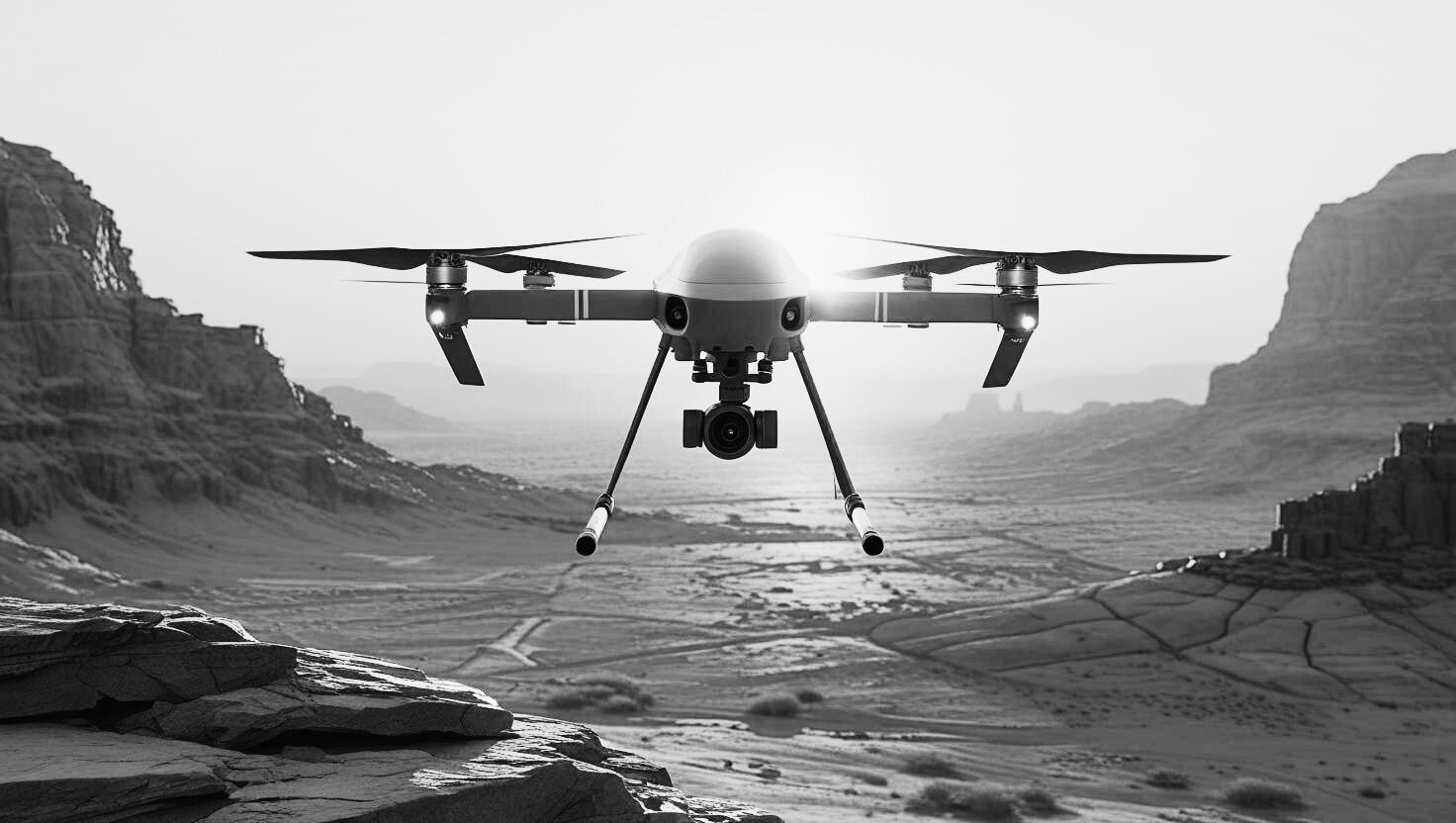
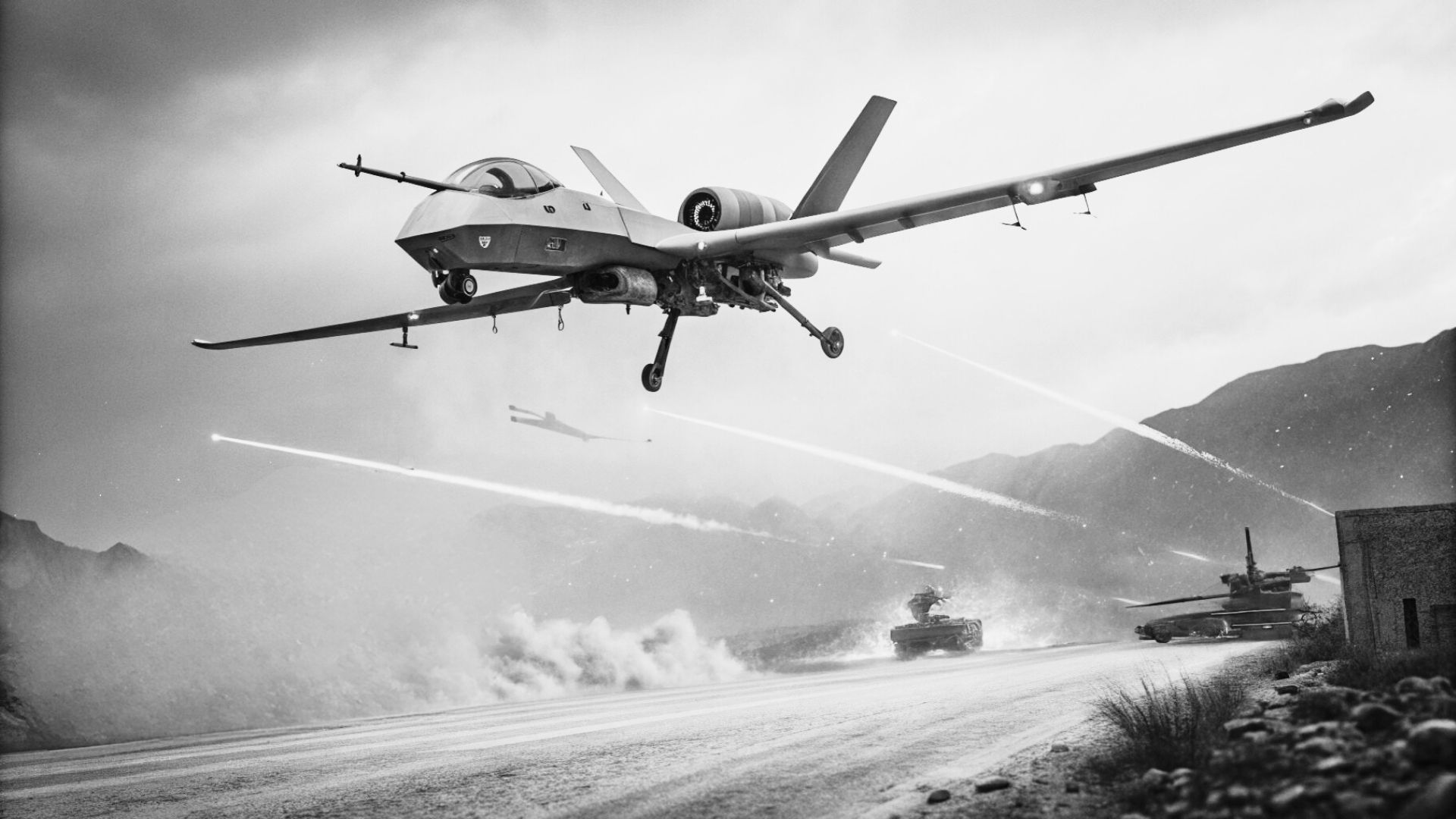
Unmanned teaming is expected to become a defining feature of future air combat, allowing the AMCA MkII to direct autonomous or semi-autonomous drones for intelligence, surveillance, electronic warfare, decoy operations, and precision strikes. The AI-powered E-Pilot would help manage mission execution and information flow across these assets.
While the AMCA MkII has been designed from the outset with AI and network-centric capabilities, closer strategic cooperation with France could accelerate technology development and support the integration of globally advanced concepts in collaborative combat and artificial intelligence.