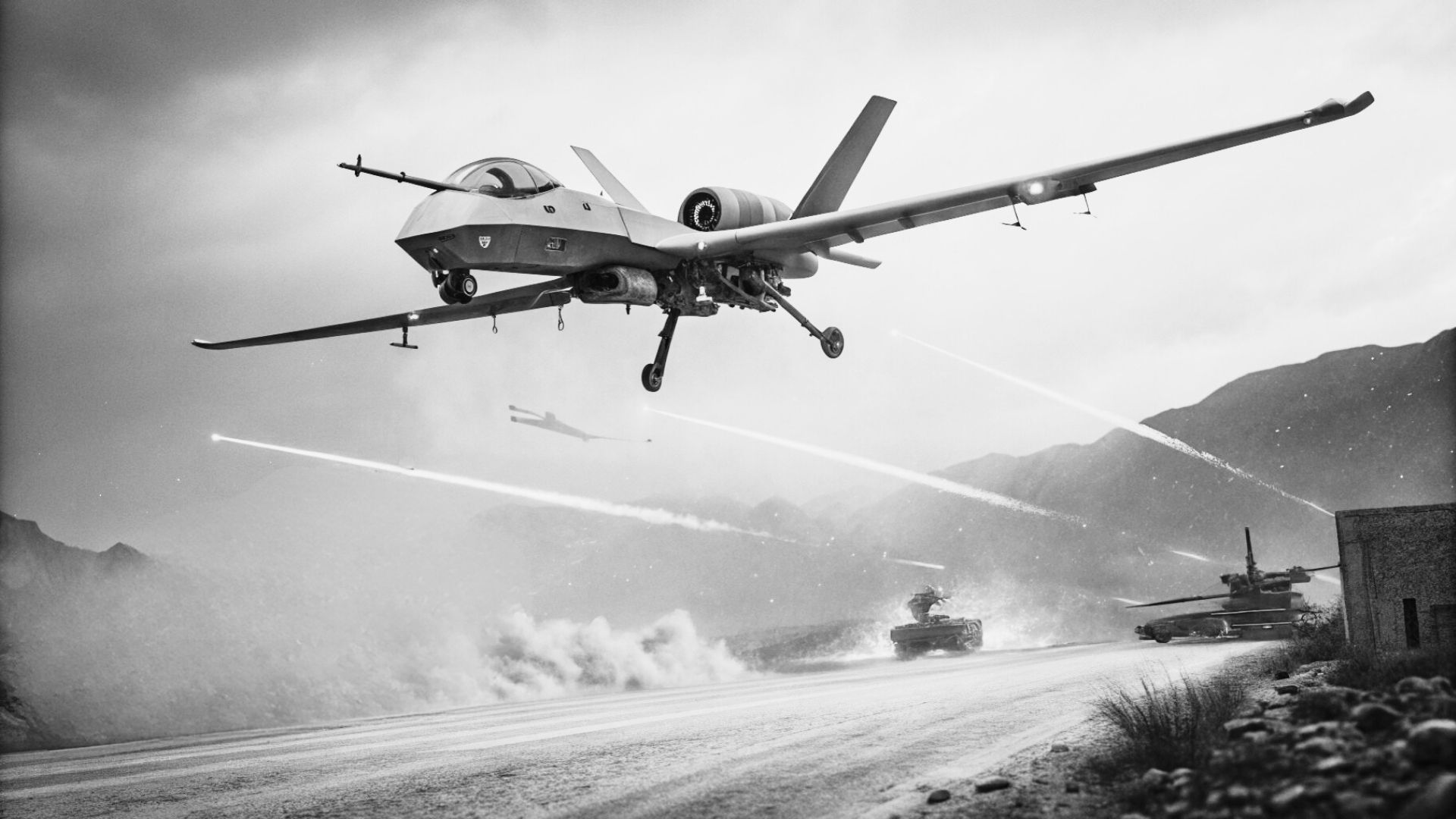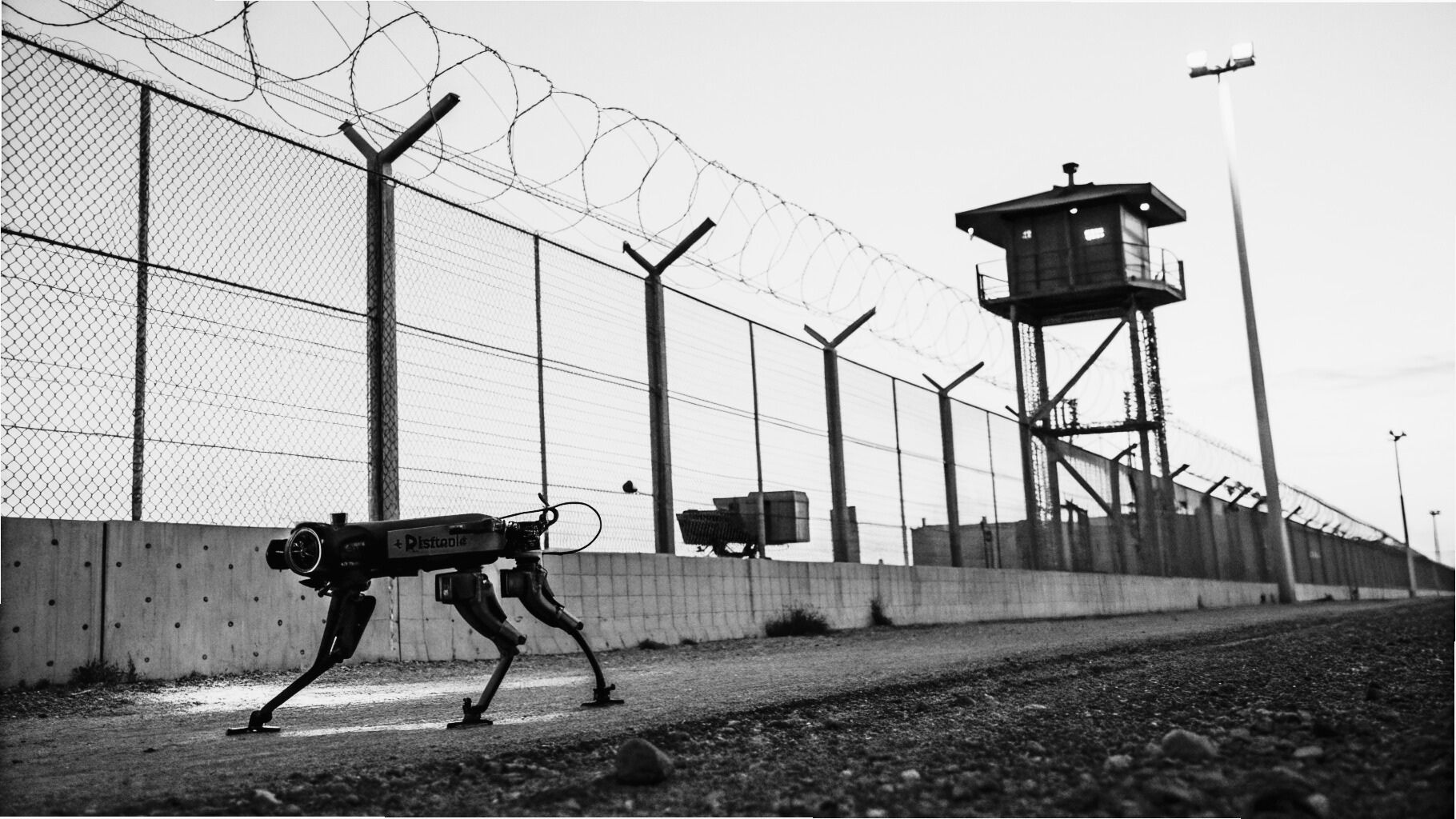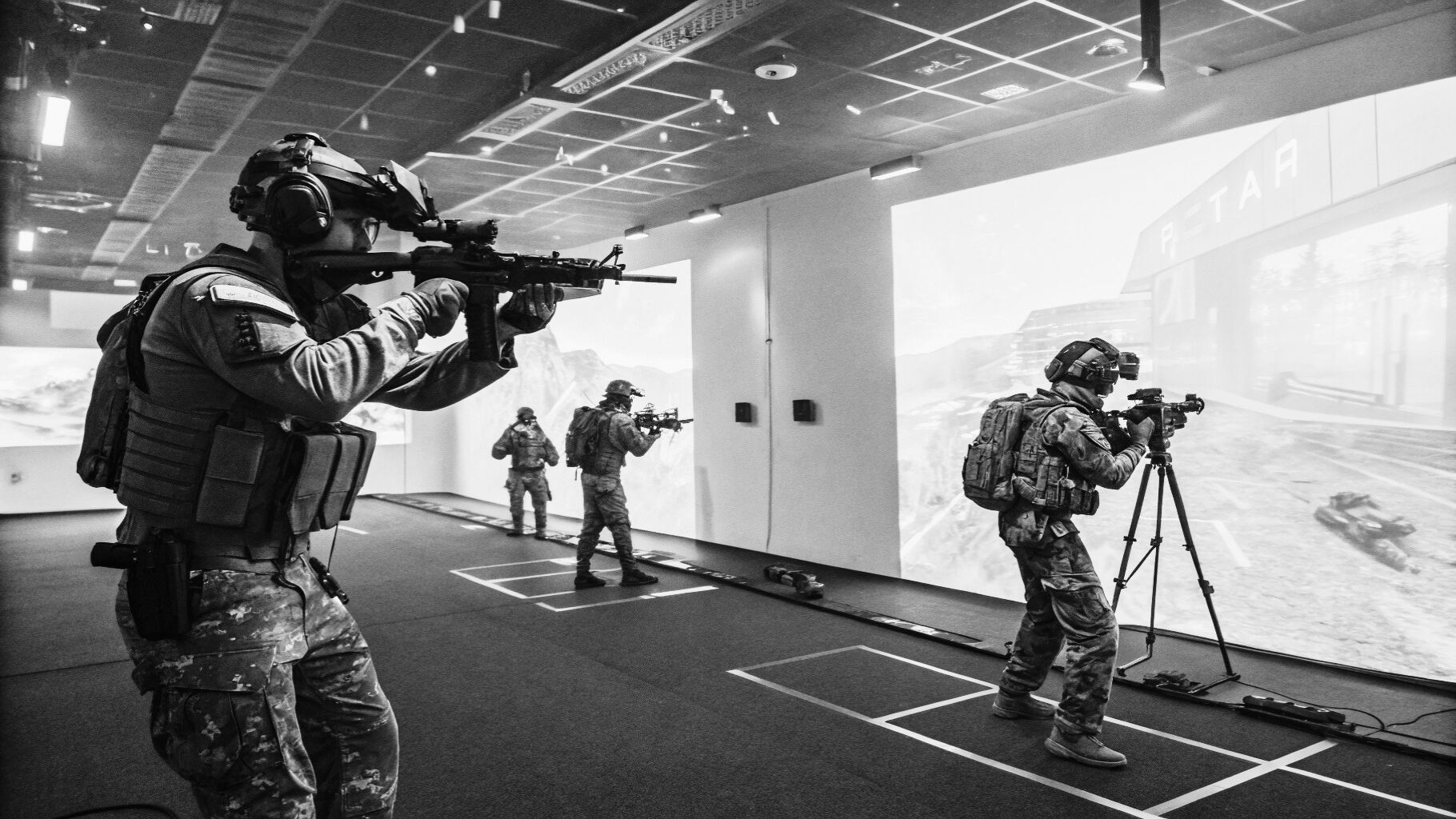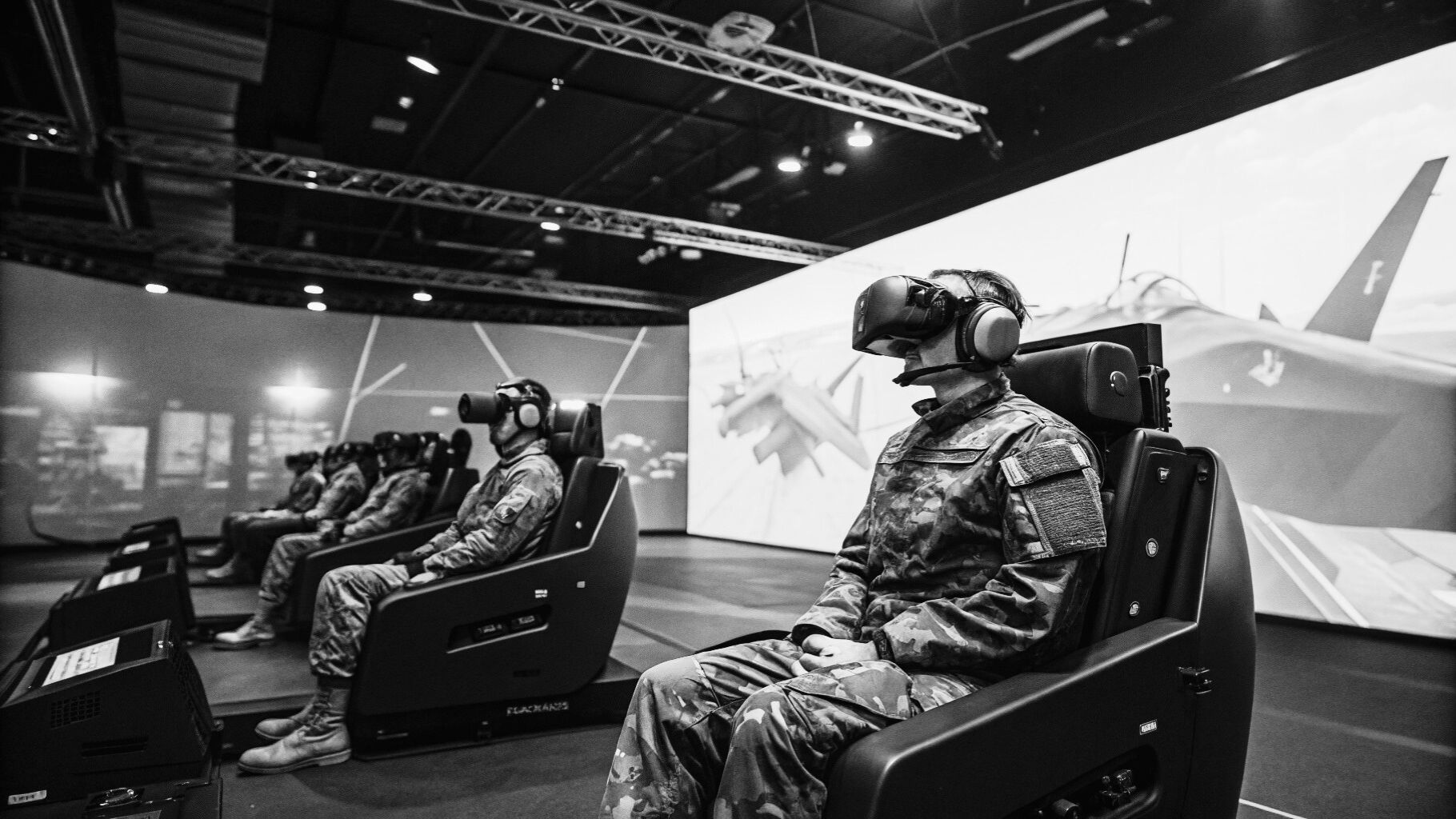
One of the most strategically significant yet relatively underappreciated areas of India’s defence modernization is the rapid advancement of autonomous combat artificial intelligence (AI), AI-enabled drone warfare, machine-speed decision-making, and autonomous aerial coordination systems. While public attention is often directed toward major platforms such as the Advanced Medium Combat Aircraft (AMCA), Ghatak UCAV, Tejas Mk2, and HAL’s Combat Air Teaming System (CATS), the true transformation in future air warfare is likely to be driven by the software and AI capabilities that power these platforms.
Autonomous combat AI extends well beyond conventional drone autopilot technology. Future AI-enabled combat systems are expected to independently evade missile threats, identify and prioritize targets, coordinate with other unmanned platforms, optimize flight paths, execute cooperative attacks, manage electronic warfare operations, and continuously adapt to evolving battlefield conditions. Rather than functioning solely as remotely piloted aircraft, future combat drones could become collaborative autonomous systems capable of making tactical decisions in real time.
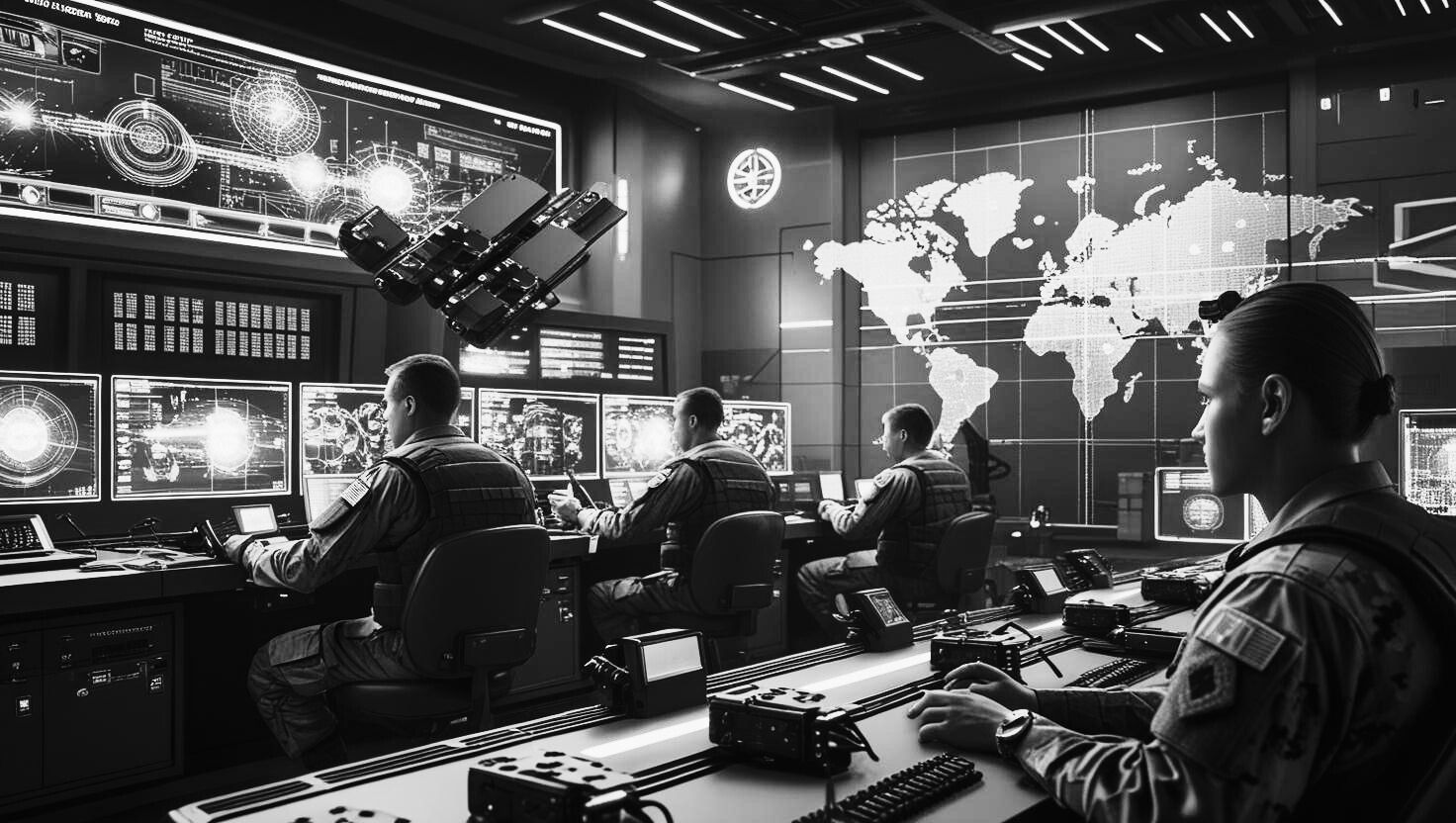
The growing importance of autonomous AI stems from the increasing complexity of modern air combat. Future battlefields are expected to feature large numbers of drones, advanced missile threats, electronic warfare systems, distributed sensors, and interconnected combat platforms operating simultaneously. In such environments, human operators alone may be unable to process information quickly enough, making AI essential for sensor fusion, rapid decision-making, swarm coordination, and compressed reaction times.
Globally, major military powers are already investing heavily in autonomous combat technologies. The United States is developing programmes such as Collaborative Combat Aircraft (CCA), Skyborg, and DARPA’s autonomous air combat initiatives, with AI systems already demonstrating success against experienced pilots in simulated engagements. China is advancing AI-enabled drone swarms, loyal wingman concepts, and machine-learning combat algorithms as part of its “intelligentized warfare” strategy, while countries including Russia and Türkiye are expanding capabilities in autonomous strike coordination and AI-assisted target recognition.
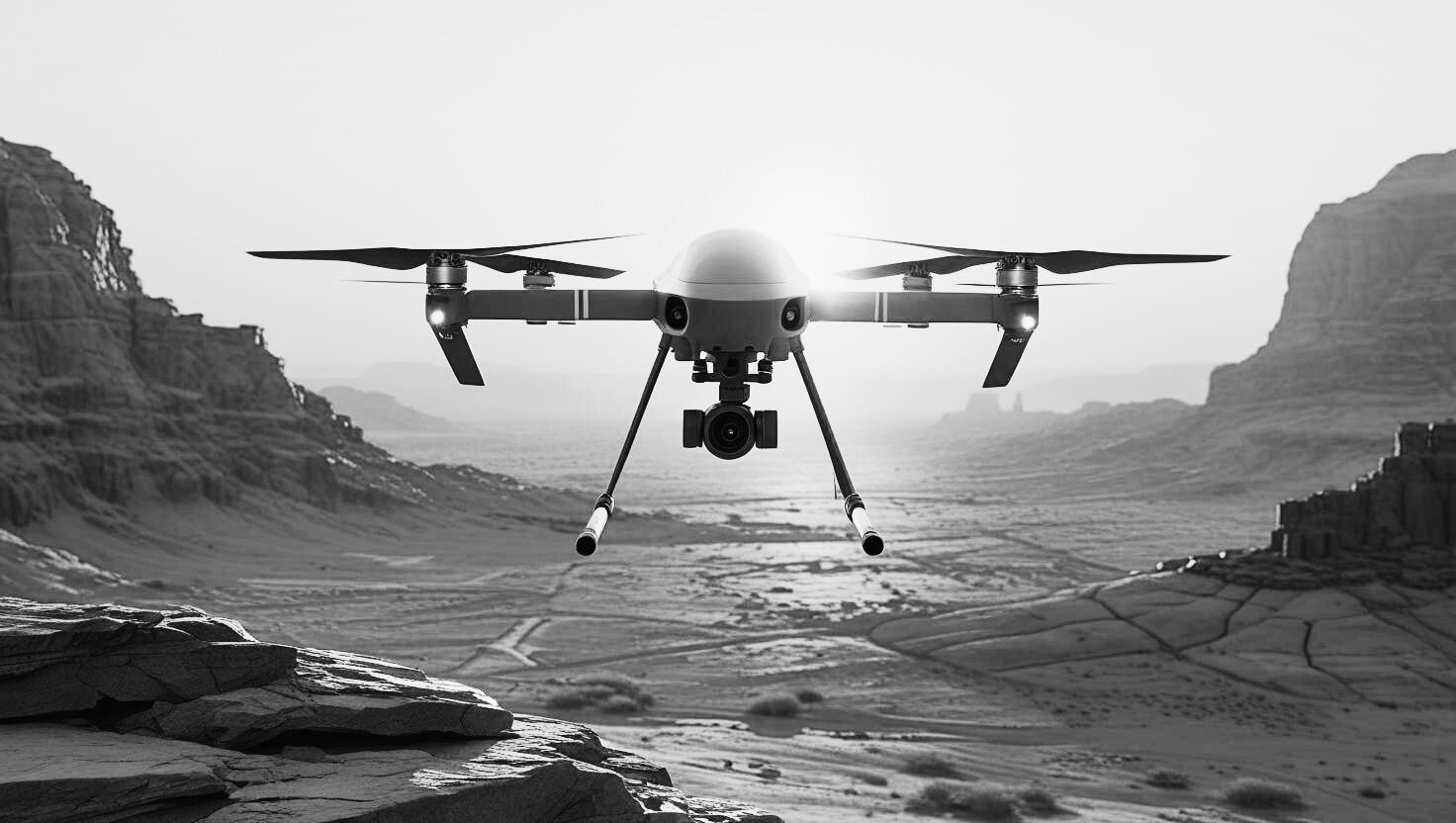
India is also steadily progressing toward this new operational paradigm. HAL’s Combat Air Teaming System (CATS) is designed around manned-unmanned teaming, requiring sophisticated AI-based coordination between fighter aircraft and collaborative drones. Likewise, India’s expanding swarm drone programmes indicate advances in autonomous navigation, target assignment, collision avoidance, and coordinated attack operations—all of which rely heavily on artificial intelligence.
Another critical advantage lies in India’s growing control over indigenous mission computers, software architecture, onboard processing systems, and tactical data links. These capabilities provide the foundation for integrating sovereign AI technologies into future military platforms without depending on foreign software ecosystems, enhancing operational security and technological independence.
A key long-term objective is the development of machine-speed warfare capabilities. Future AI systems could autonomously detect threats, recommend responses, assign targets, coordinate multiple drones, and manage combat operations within milliseconds—far exceeding human reaction speeds. Nations unable to develop such capabilities may face significant disadvantages in future conflicts.
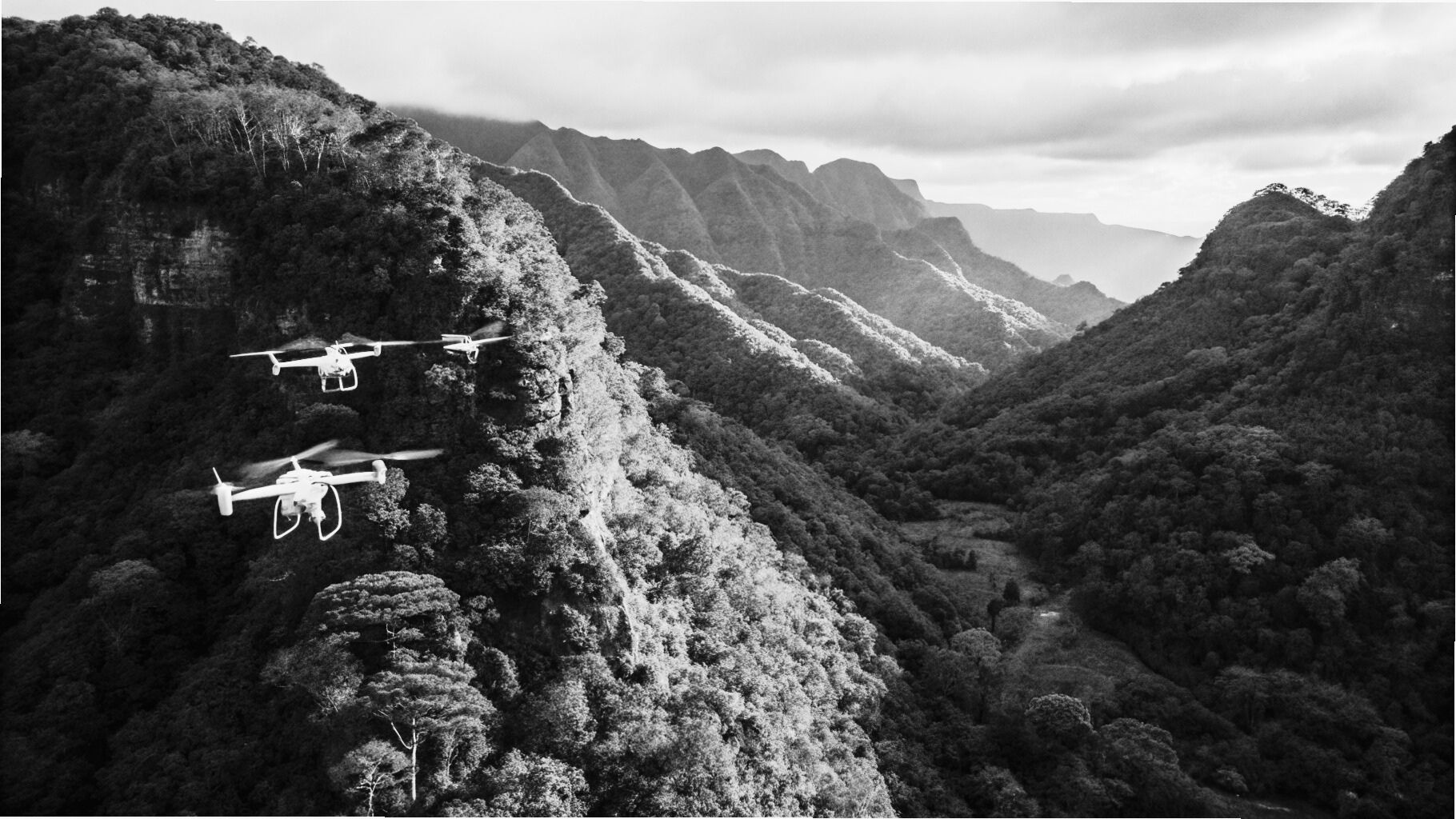
Potential future applications include AI-controlled missile evasion, where autonomous drones independently calculate survival maneuvers against incoming threats, as well as intelligent threat prioritization that identifies the most dangerous enemy radars, missile batteries, or aircraft in real time. Swarm warfare is expected to become another defining capability, enabling multiple drones to share sensor data, divide mission responsibilities, coordinate electronic warfare operations, and overwhelm adversaries through cooperative autonomous behavior.
Artificial intelligence is also expected to transform electronic warfare by enabling autonomous systems to detect hostile emitters, adjust jamming frequencies dynamically, deploy decoys, and continuously adapt electronic attack strategies during combat. The loyal wingman concept further supports this vision, allowing a single fighter pilot to command several autonomous drones capable of conducting reconnaissance, strike missions, electronic attack, or defensive operations independently.
These developments carry particular significance in the context of China’s growing investments in AI-enabled military systems, network-centric warfare, and intelligentized combat operations. Recognizing that future conflicts may increasingly depend on algorithmic superiority rather than platform numbers alone, India is positioning itself to develop comparable capabilities.
In the future, Indian combat aircraft could evolve into AI-enabled command nodes within an integrated autonomous combat ecosystem. Under such a framework, Tejas Mk1A could supervise unmanned platforms, Tejas Mk2 could coordinate drone swarms, AMCA could serve as an AI-enabled network warfare platform, and Ghatak could operate as an autonomous stealth strike asset.
Ultimately, sovereign military AI will be critical for India’s long-term defence strategy. Indigenous AI capabilities reduce dependence on foreign software, eliminate concerns over source-code access and cybersecurity, and ensure complete control over upgrades and operational flexibility. As warfare increasingly shifts toward information processing, autonomous coordination, and machine-speed decision-making, AI may prove just as decisive as advanced aircraft, missiles, or stealth technology.