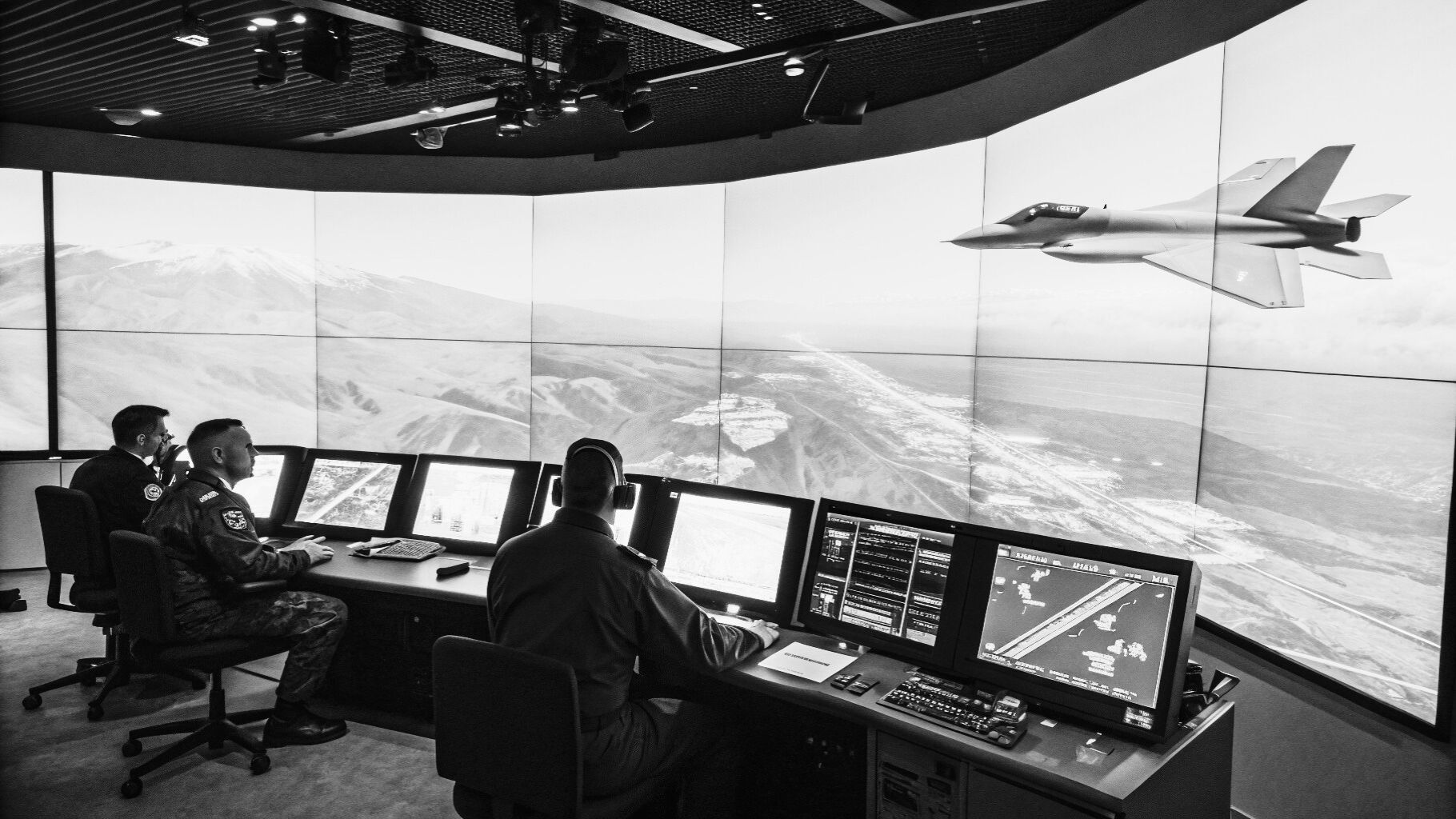
Modern air warfare requires aircraft capable of performing multiple missions within a single sortie, seamlessly transitioning from air superiority and interception to precision strike and reconnaissance support. The Eurofighter Typhoon exemplifies this flexibility, remaining one of Europe’s premier multirole combat aircraft. Developed through an unprecedented multinational collaboration, the Typhoon continues to play a central role in European and allied air power.
What Is the Eurofighter Typhoon?
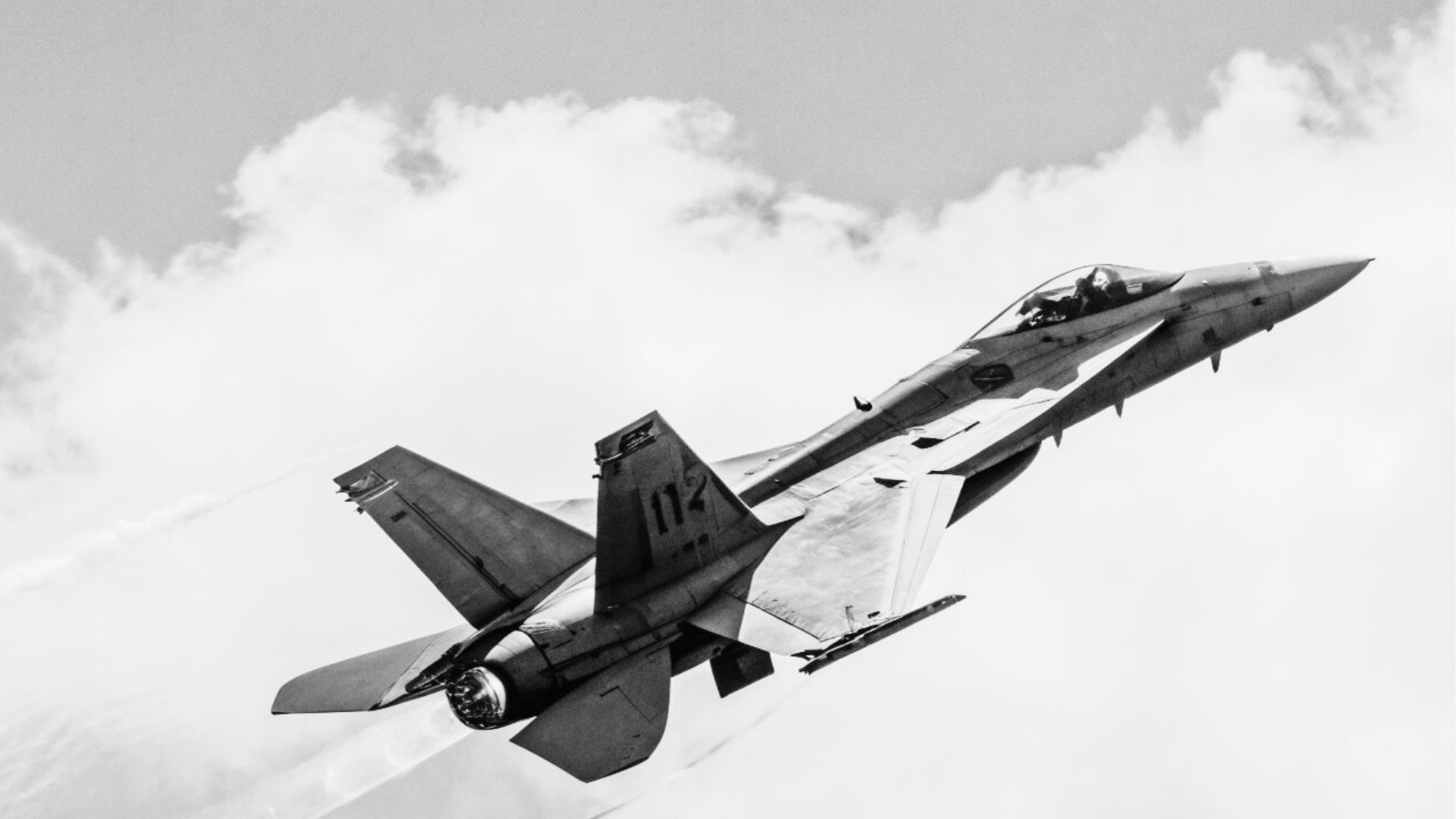
The Eurofighter Typhoon is a twin-engine, multirole combat aircraft designed to excel in both air superiority and precision ground attack missions. Produced by Eurofighter Jagdflugzeug GmbH, a consortium representing the United Kingdom, Germany, Italy, and Spain, the aircraft serves as the backbone of several European air forces while also being exported to international customers.
Engineered primarily for air dominance, the Typhoon combines exceptional maneuverability with advanced strike capabilities, enabling it to operate effectively across a wide spectrum of combat missions.
Development History
The origins of the Eurofighter programme date back to the early 1980s, when several European nations sought a common replacement for their ageing Cold War-era fighter fleets. The objective was to develop a highly capable aircraft able to counter emerging Soviet threats while remaining adaptable to future operational requirements.
Major programme milestones include:
1983–1986: European Future Fighter Aircraft feasibility studies
1986: Establishment of the Eurofighter consortium
1994: Maiden flight of the first prototype
2003: Entry into operational service
2010s–Present: Ongoing upgrades covering radar, avionics, weapons integration, and mission systems
The programme remains one of the most ambitious multinational defence collaborations ever undertaken in Europe.
Design Philosophy
The Typhoon was conceived with air superiority as its primary mission while retaining comprehensive multirole capability. Its aerodynamic configuration emphasizes high agility during close-range engagements, sustained supersonic flight without afterburner under certain conditions, and excellent performance throughout demanding flight envelopes.
These characteristics enable rapid-response interception missions, where high climb rates, speed, and readiness are essential for responding to airborne threats.
Advanced Systems and Capabilities
The aircraft integrates advanced aerodynamic performance with sophisticated mission systems, including:
Captor-E Active Electronically Scanned Array (AESA) radar on upgraded variants
Advanced sensor fusion for comprehensive situational awareness
Digital fly-by-wire flight control system
Helmet-mounted targeting system for high off-boresight engagements
Compatibility with a broad range of air-to-air missiles and precision-guided air-to-surface weapons
The Typhoon is also fully integrated into network-centric operations, allowing secure data sharing with other aircraft, ground forces, airborne warning platforms, and NATO command networks.
Operational Advantages
The Eurofighter Typhoon offers several key strengths:
Outstanding maneuverability and air combat performance
Advanced radar and sensor integration
Flexible multirole mission capability
Continuous modernization through partner-nation upgrades
Extensive operational experience across multiple theatres
However, the aircraft also presents certain limitations:
Higher operating costs than lighter multirole fighters
Early production variants featured less capable radar systems
Lower stealth characteristics compared with fifth-generation aircraft
Complex multinational logistics and upgrade coordination
Global Operations
The Typhoon remains heavily employed in NATO air policing, quick reaction alert (QRA) duties, and expeditionary operations. The Royal Air Force regularly deploys the aircraft for homeland air defence, while Germany and Italy contribute Typhoon squadrons to NATO’s Baltic Air Policing mission.
Outside Europe, the aircraft has seen extensive operational service in the Middle East. Saudi Arabia operates one of the largest export fleets, using the Typhoon for territorial defence, air policing, and combat missions, including operations related to the Yemen conflict. Qatar has also acquired the platform as part of its military modernization programme, enhancing interoperability with Western partners and strengthening regional air defence capabilities.
Future Outlook
Although the United Kingdom, Italy, and Japan are jointly developing the sixth-generation Global Combat Air Programme (GCAP), operational service is not expected until at least the mid-2030s. Until then, the Typhoon will remain a key component of European combat aviation.
Current modernization efforts include widespread integration of the Captor-E AESA radar, Meteor beyond-visual-range air-to-air missiles, potential integration of the Advanced Precision Kill Weapon System (APKWS), and enhanced connectivity within NATO’s digital battlespace.
Germany and Spain are simultaneously introducing the F-35 into their inventories, creating a complementary force structure rather than an immediate replacement. Under this approach, the Typhoon is expected to focus increasingly on air policing, interception, and suppression of enemy air defences (SEAD). For export operators in the Middle East that do not have access to fifth-generation fighters, the aircraft is likely to remain a frontline platform for many years.
Rather than facing retirement, the Eurofighter Typhoon is expected to evolve alongside emerging technologies, maintaining its relevance through continuous upgrades while serving as Europe’s principal combat aircraft until sixth-generation systems become operational.