
The widespread use of drones in the Russia–Ukraine conflict has reshaped modern military thinking on the protection of high-value assets. Traditionally, aircraft carriers were designed to defend against anti-ship missiles, hostile aircraft, and submarines. However, the rapid emergence of low-cost yet highly capable unmanned aerial systems (UAS) has introduced a new dimension of threat. For the Indian Navy, safeguarding future aircraft carriers will require more than conventional air defence systems—it will demand the integration of both soft-kill and hard-kill counter-drone technologies.
INS Vikrant and INS Vikramaditya are among the Indian Navy’s most strategic assets, serving as the backbone of carrier strike groups and projecting naval air power across the Indian Ocean Region. Protecting these platforms is essential, as even a limited drone strike could interrupt flight operations, reduce combat readiness, or force a carrier to withdraw from an active operational theatre.
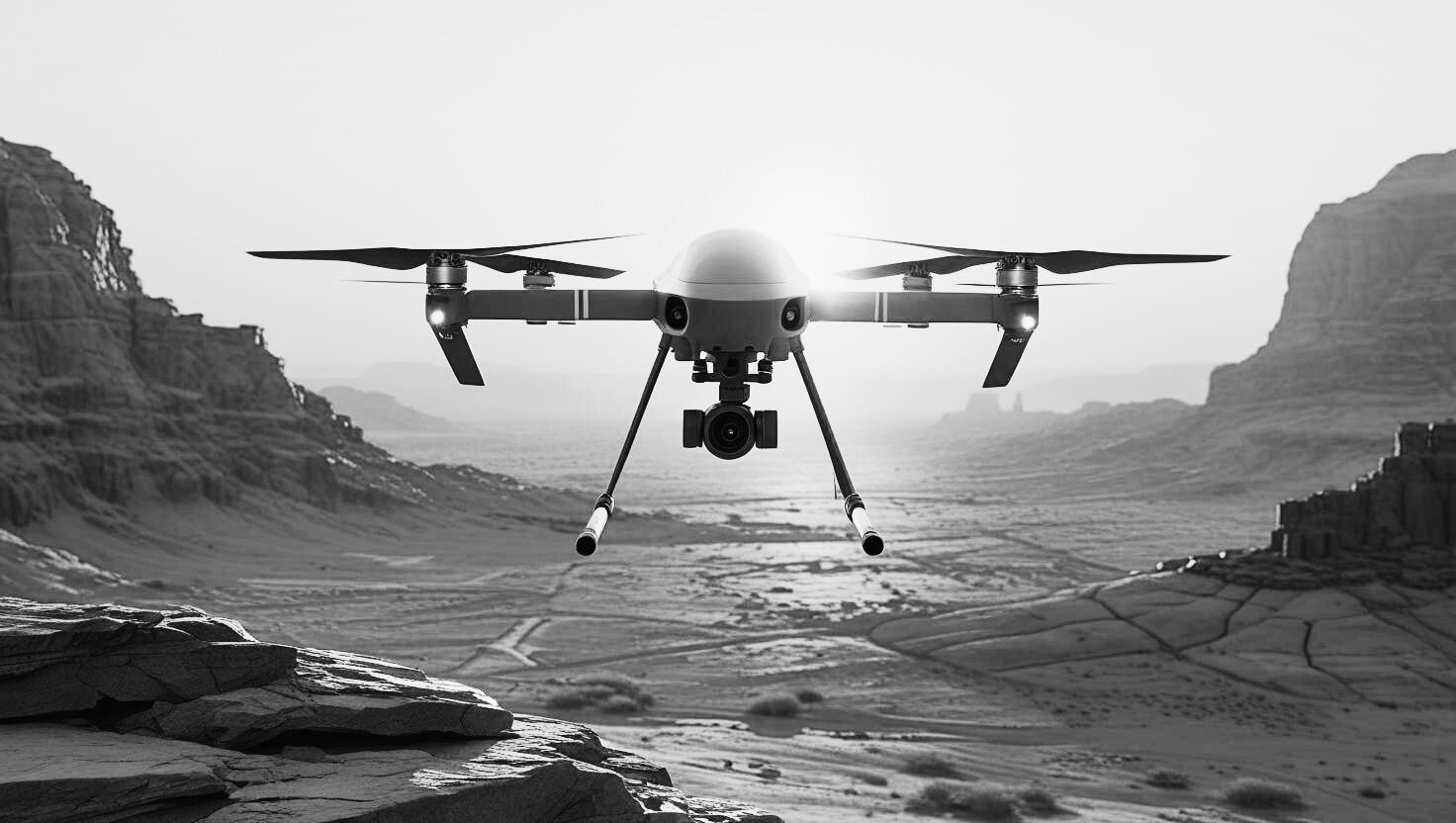
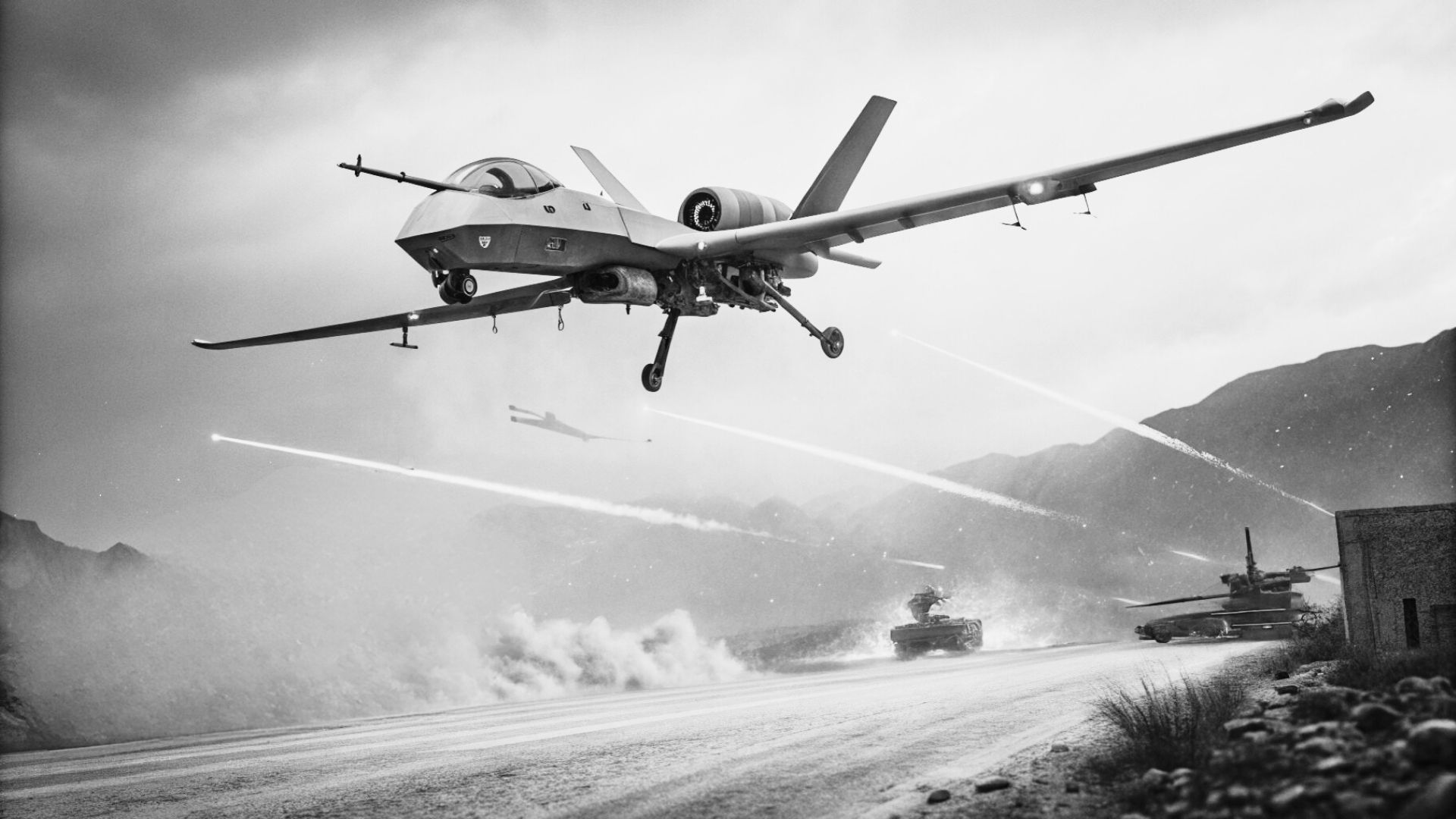
Recent conflicts have demonstrated that drones are no longer confined to surveillance roles. Modern UAS are increasingly used for intelligence gathering, precision attacks, electronic warfare, target designation, and coordinated swarm assaults. First-person-view (FPV) drones, loitering munitions, and autonomous unmanned systems have repeatedly exposed weaknesses in traditional air defence networks by exploiting their small radar signatures, slow flight profiles, and low production costs.
For aircraft carriers operating in contested waters, the threat becomes even more challenging. Swarms of drones launched from unmanned surface vessels, submarines, coastal positions, or conventional ships could saturate missile-based air defence systems. Moreover, using costly surface-to-air missiles against inexpensive drones is neither economically viable nor sustainable during prolonged naval operations.
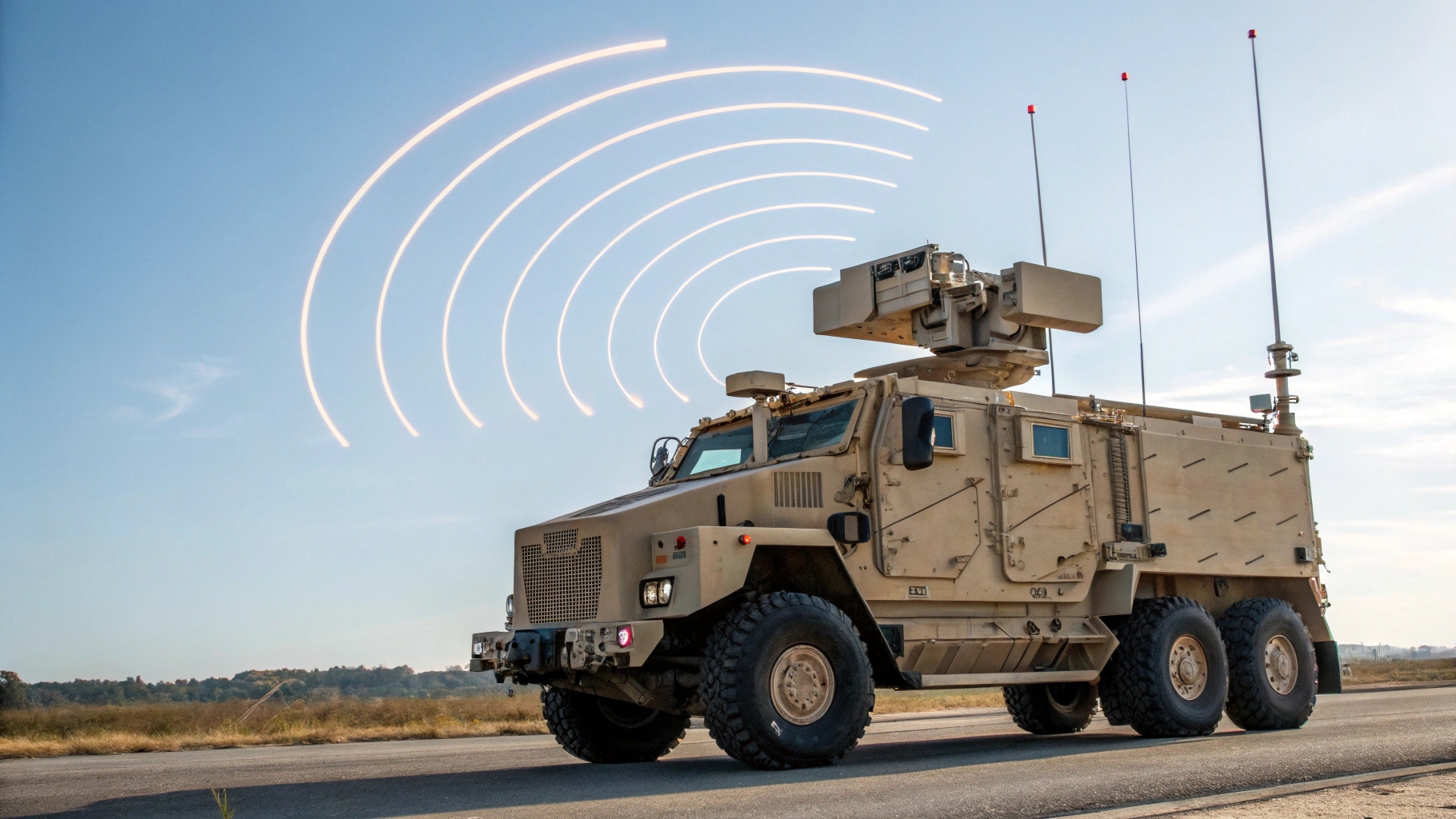
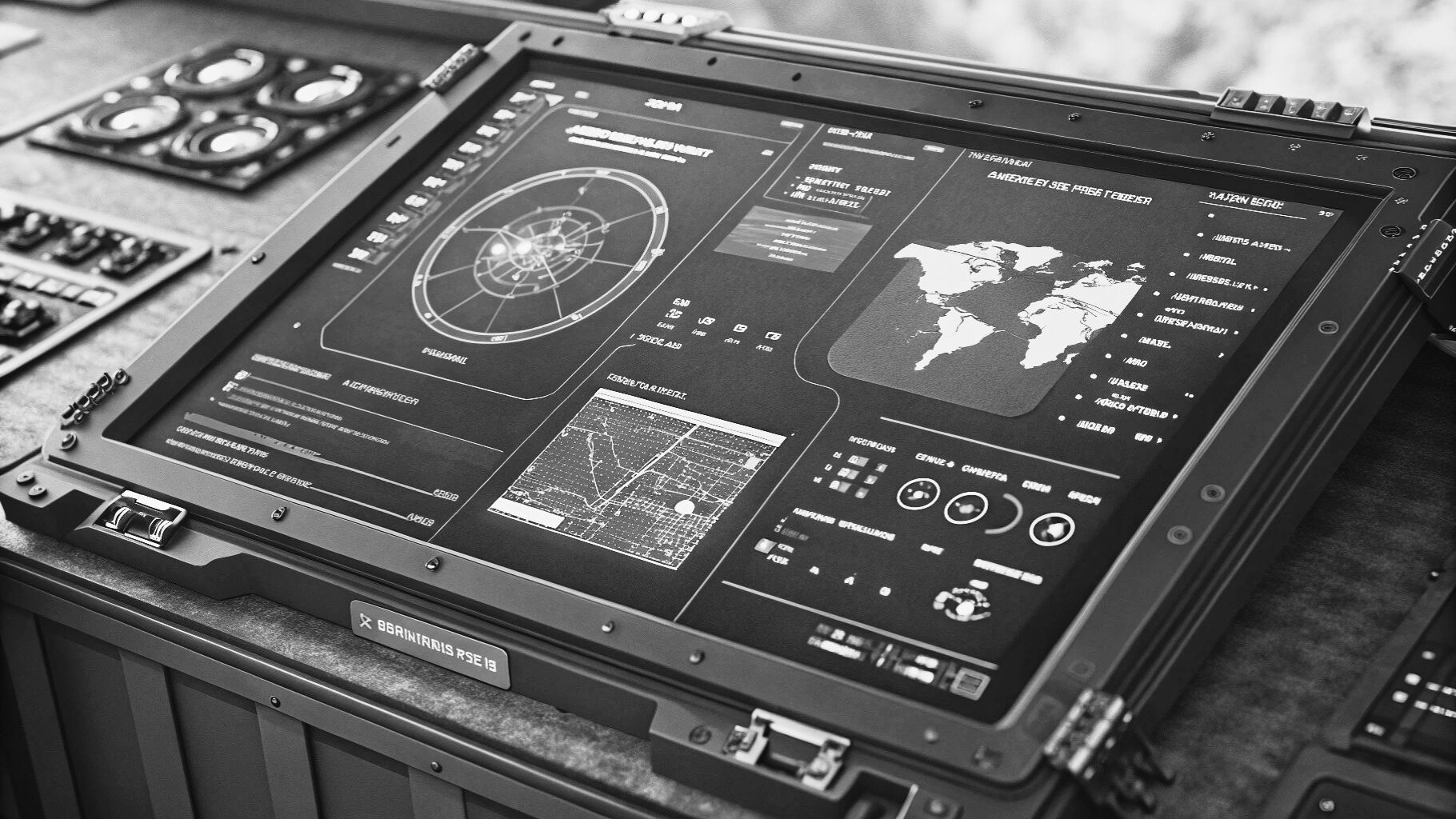
Soft-kill technologies should therefore form the first defensive layer. Advanced electronic warfare systems can jam drone communications, interfere with satellite navigation, spoof positioning signals, and, where feasible, seize control of hostile unmanned platforms. Complementing these capabilities with radio-frequency detection systems, passive sensors, and artificial intelligence-driven threat analysis would provide early warning and improve target prioritisation before drones approach the carrier.
However, electronic warfare alone is no longer sufficient. Many modern drones feature autonomous navigation, anti-jamming capabilities, and pre-programmed attack routes that enable them to continue missions even in heavily contested electromagnetic environments. These advancements significantly reduce the effectiveness of soft-kill measures alone.
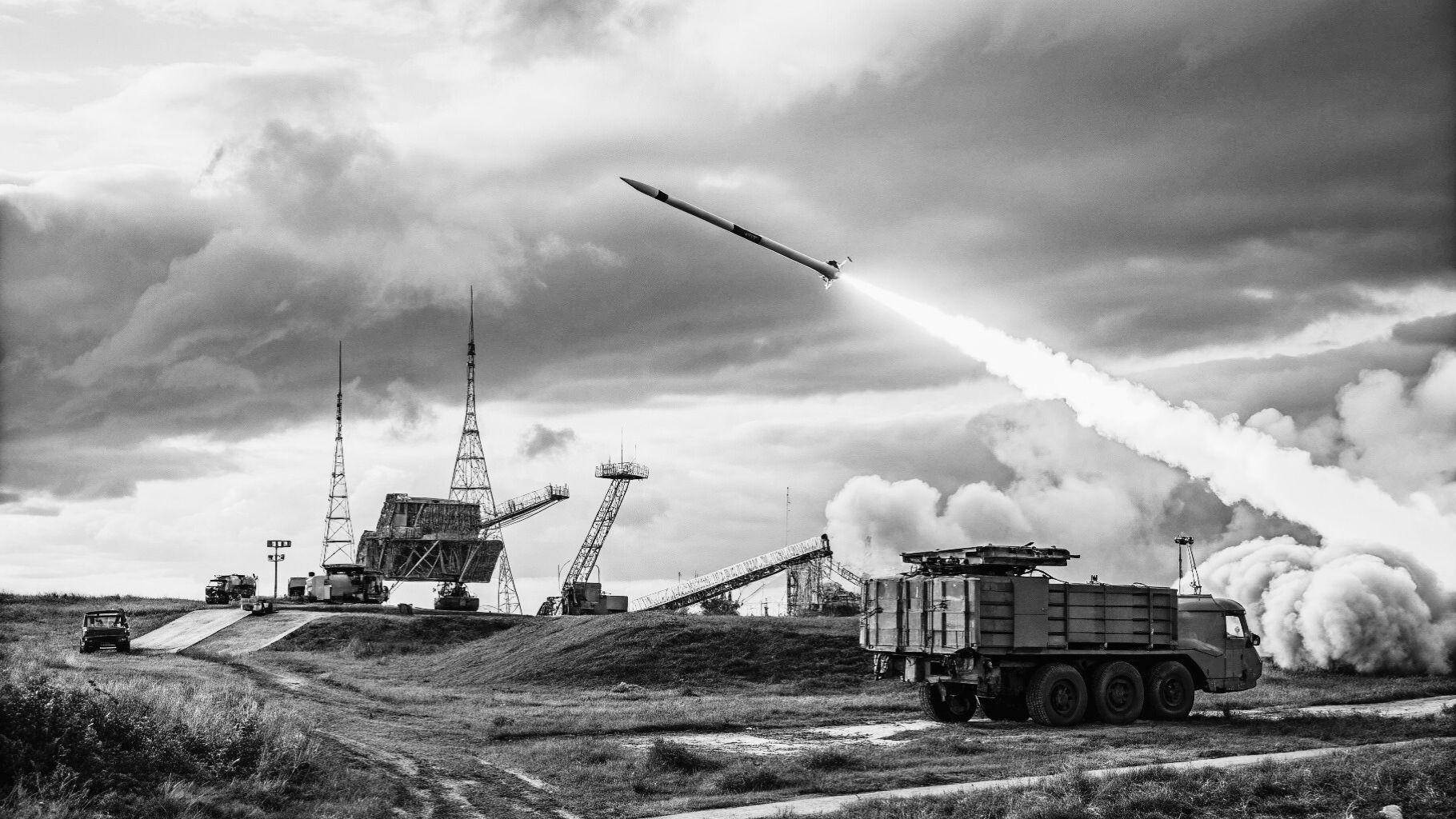
As a result, hard-kill systems have become equally important. Directed-energy weapons such as high-energy lasers and high-power microwave systems offer a promising long-term solution because of their low cost per engagement and virtually unlimited ammunition capacity, limited primarily by available electrical power. Until these technologies become operational across naval fleets, rapid-fire naval guns equipped with programmable airburst ammunition, remote weapon stations, dedicated counter-drone missiles, and close-in weapon systems (CIWS) optimized for engaging small aerial threats will provide the necessary kinetic defence.
An effective aircraft carrier protection strategy should therefore adopt a layered approach. Long-range shipborne radars and airborne early warning aircraft would detect threats at extended distances, while electronic warfare systems attempt to disrupt or neutralize drones before they enter engagement range. Any drones that survive this initial layer would then be intercepted by kinetic weapons before reaching the carrier’s flight deck or other mission-critical systems.
India has already made significant investments in indigenous counter-drone technologies through the Defence Research and Development Organisation (DRDO), public sector enterprises, and private defence companies. Domestic capabilities now include advanced radars, electro-optical surveillance systems, radio-frequency detectors, electronic jammers, and hard-kill counter-UAS solutions that can be adapted for naval deployment. Integrating these indigenous systems into future aircraft carrier upgrades would enhance fleet survivability while strengthening self-reliance in defence.
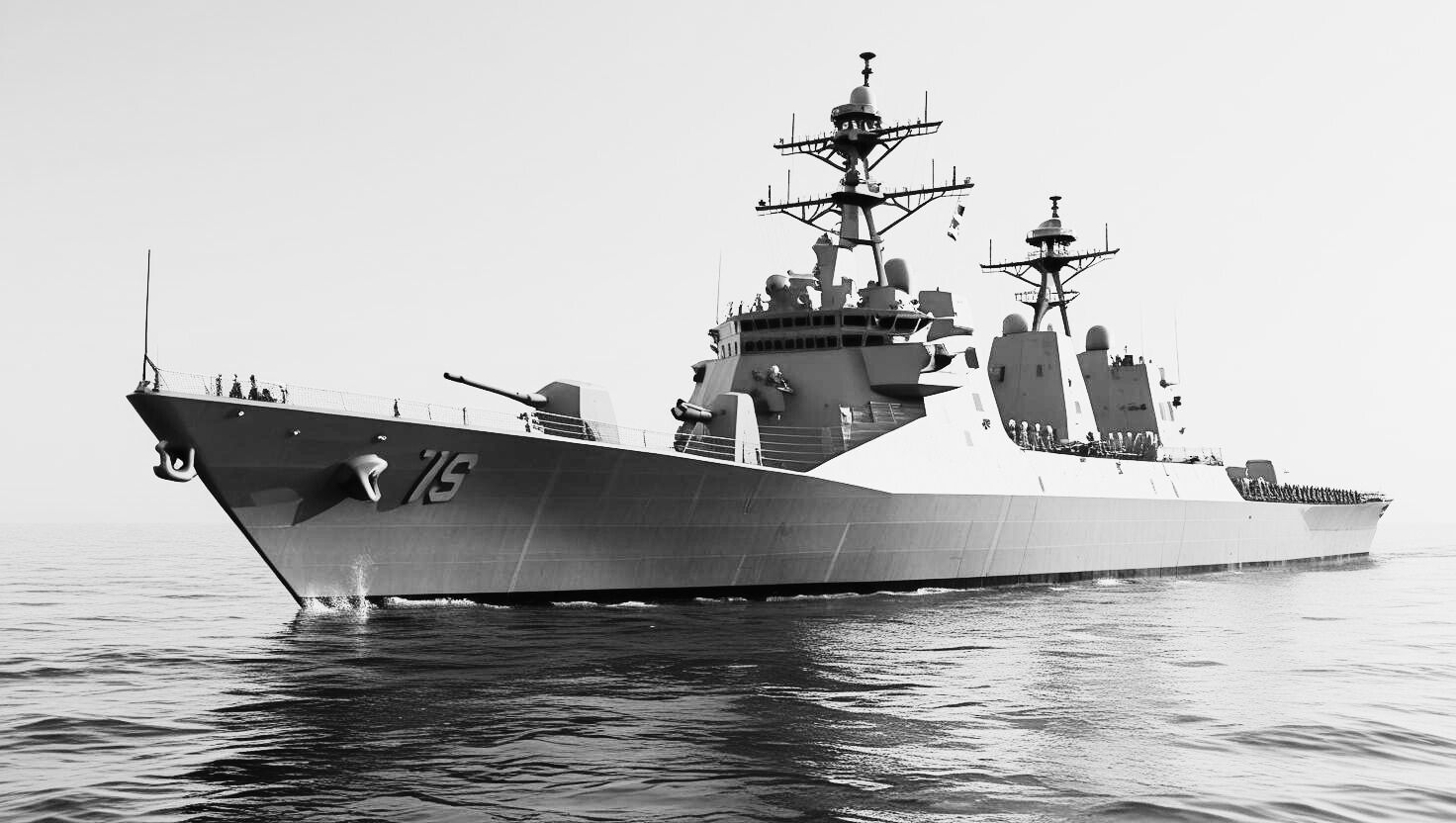
Future Indian carrier strike groups will continue to operate alongside destroyers, frigates, and support vessels equipped with advanced air defence systems. Nevertheless, aircraft carriers themselves must possess robust organic counter-drone capabilities, as modern drone attacks may originate from multiple directions with little warning. Dependence solely on escort vessels may prove insufficient against low-altitude or swarm-based attacks intended to overwhelm layered defences.
Lessons from recent conflicts clearly indicate that unmanned aerial threats are evolving far more rapidly than traditional naval doctrines anticipated. As drones become increasingly autonomous, affordable, and widely accessible, aircraft carriers will face operational challenges that legacy air defence systems alone cannot adequately address.
For the Indian Navy, integrating both soft-kill and hard-kill counter-drone systems aboard INS Vikrant, INS Vikramaditya, and future carriers is no longer an optional modernization effort—it is an operational necessity. A comprehensive, layered counter-UAS architecture will be critical to ensuring that India’s carrier strike groups remain resilient, survivable, and combat-ready in the increasingly contested maritime environment of the future.