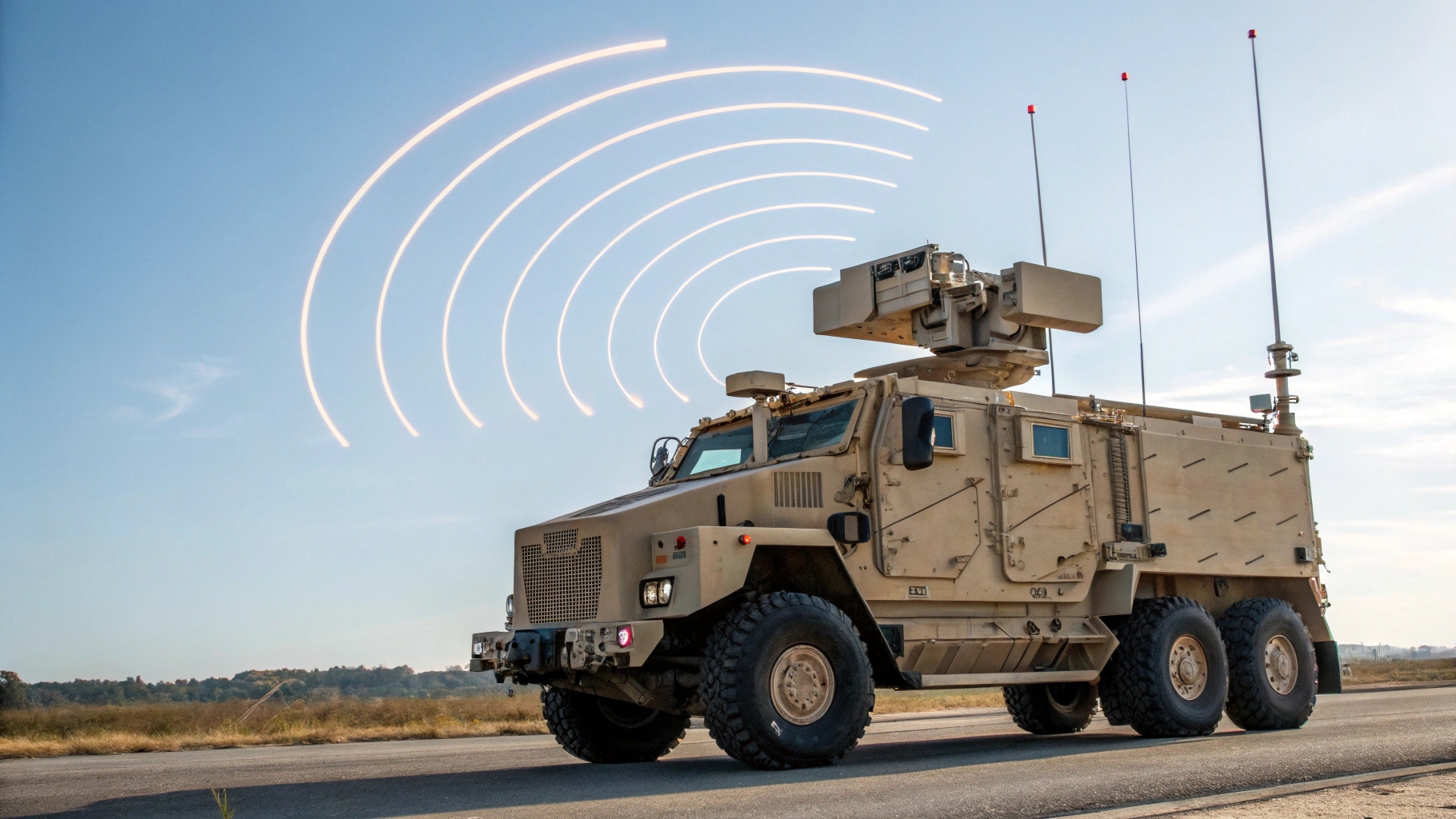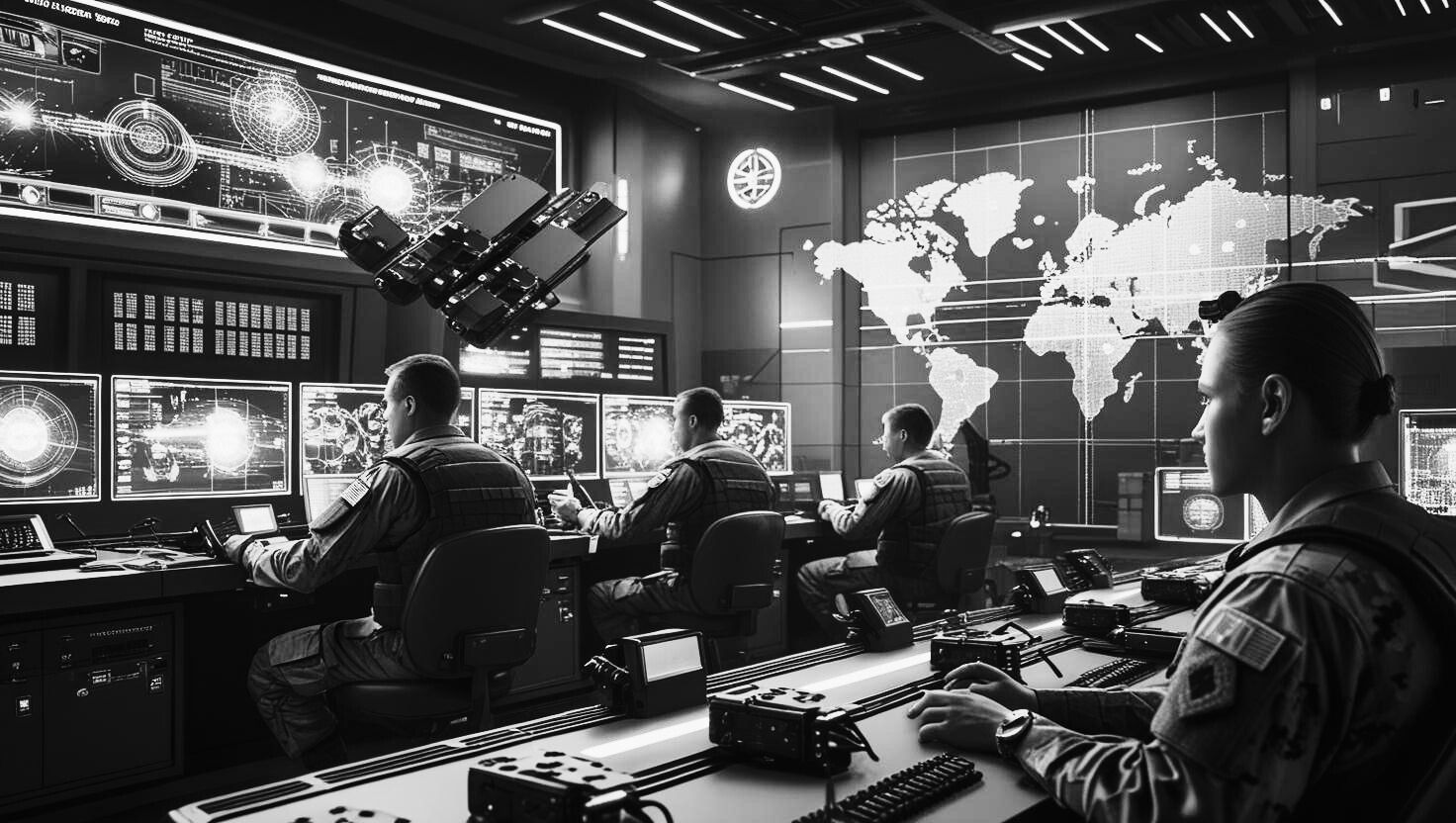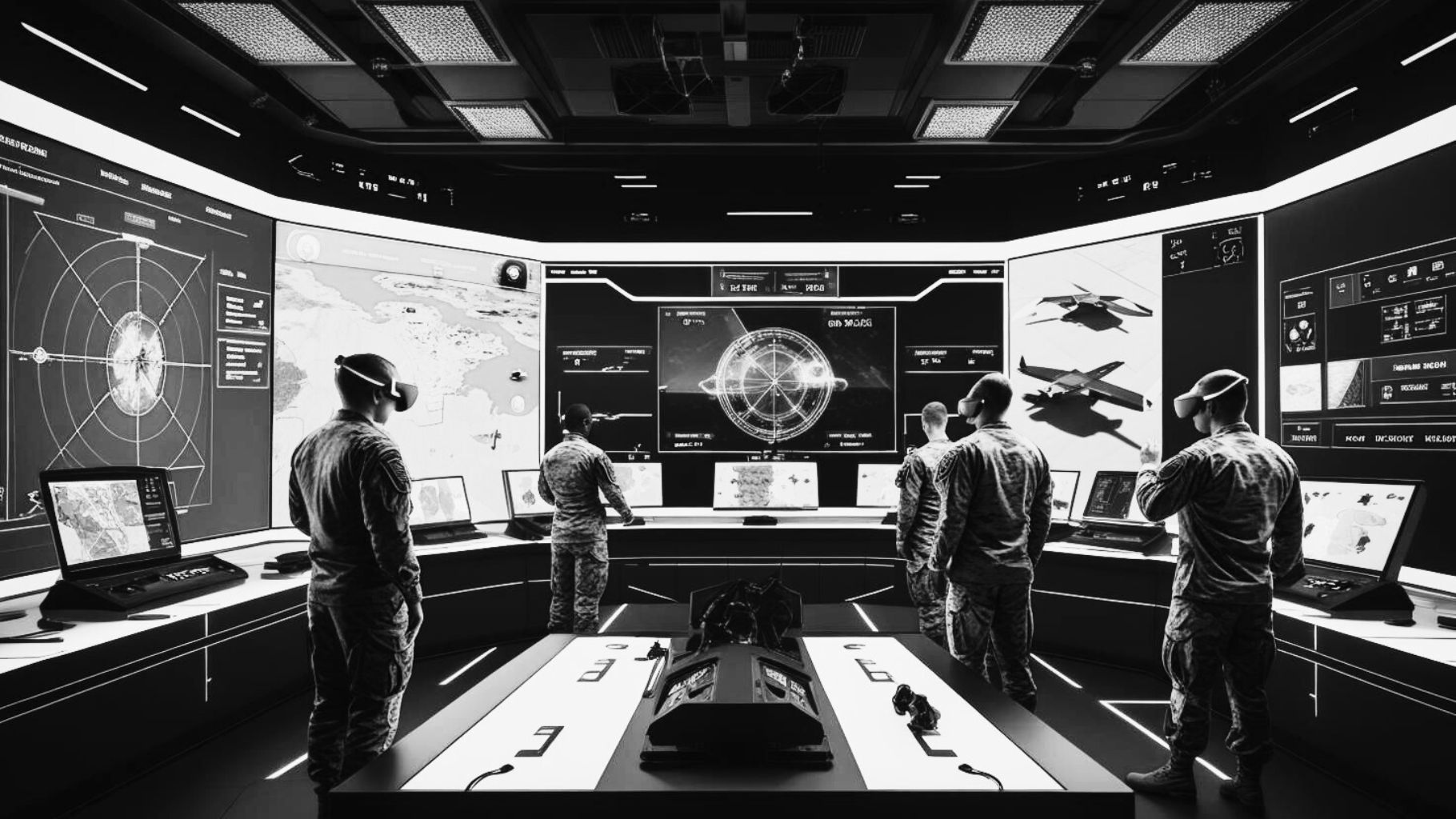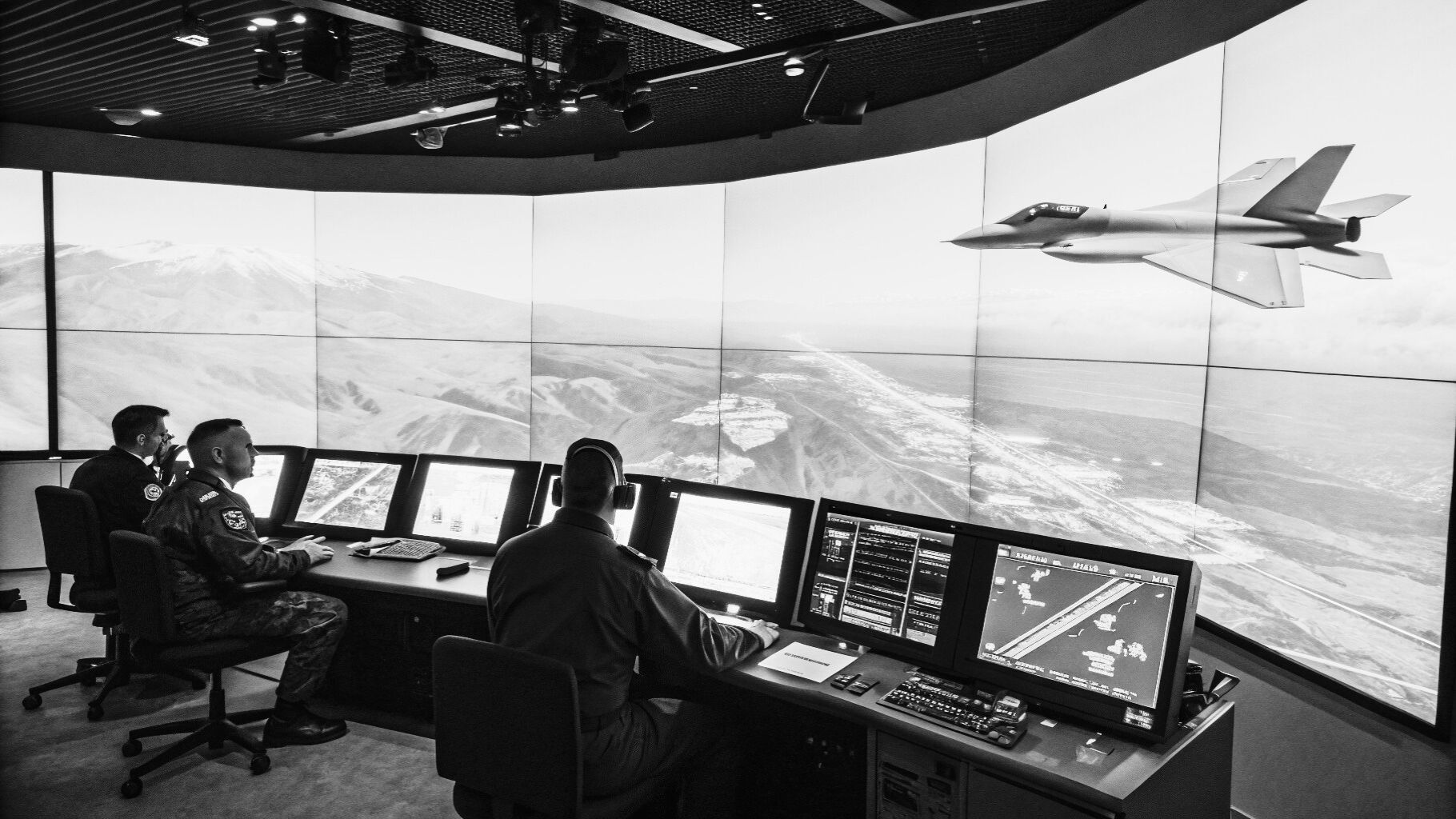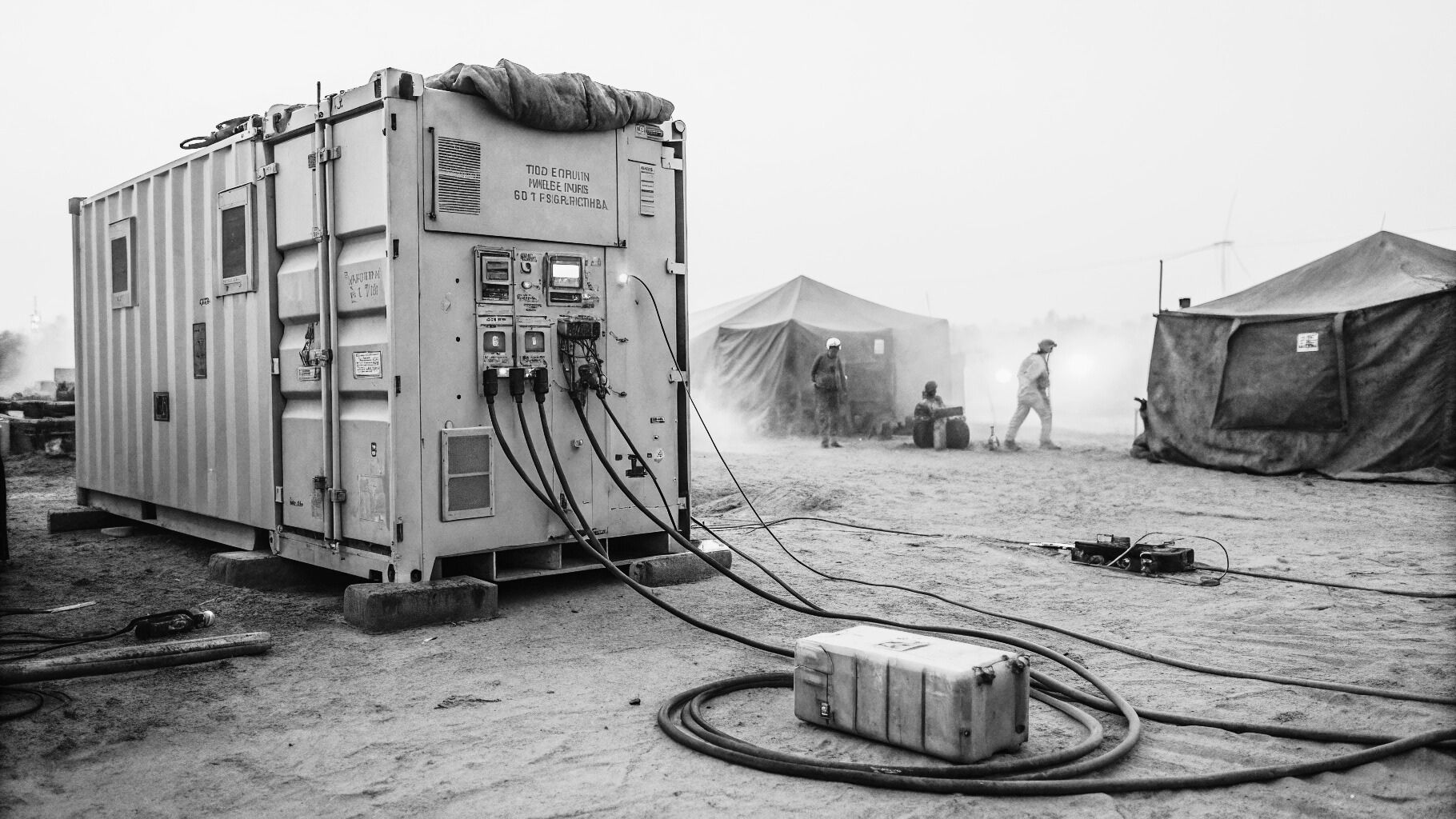
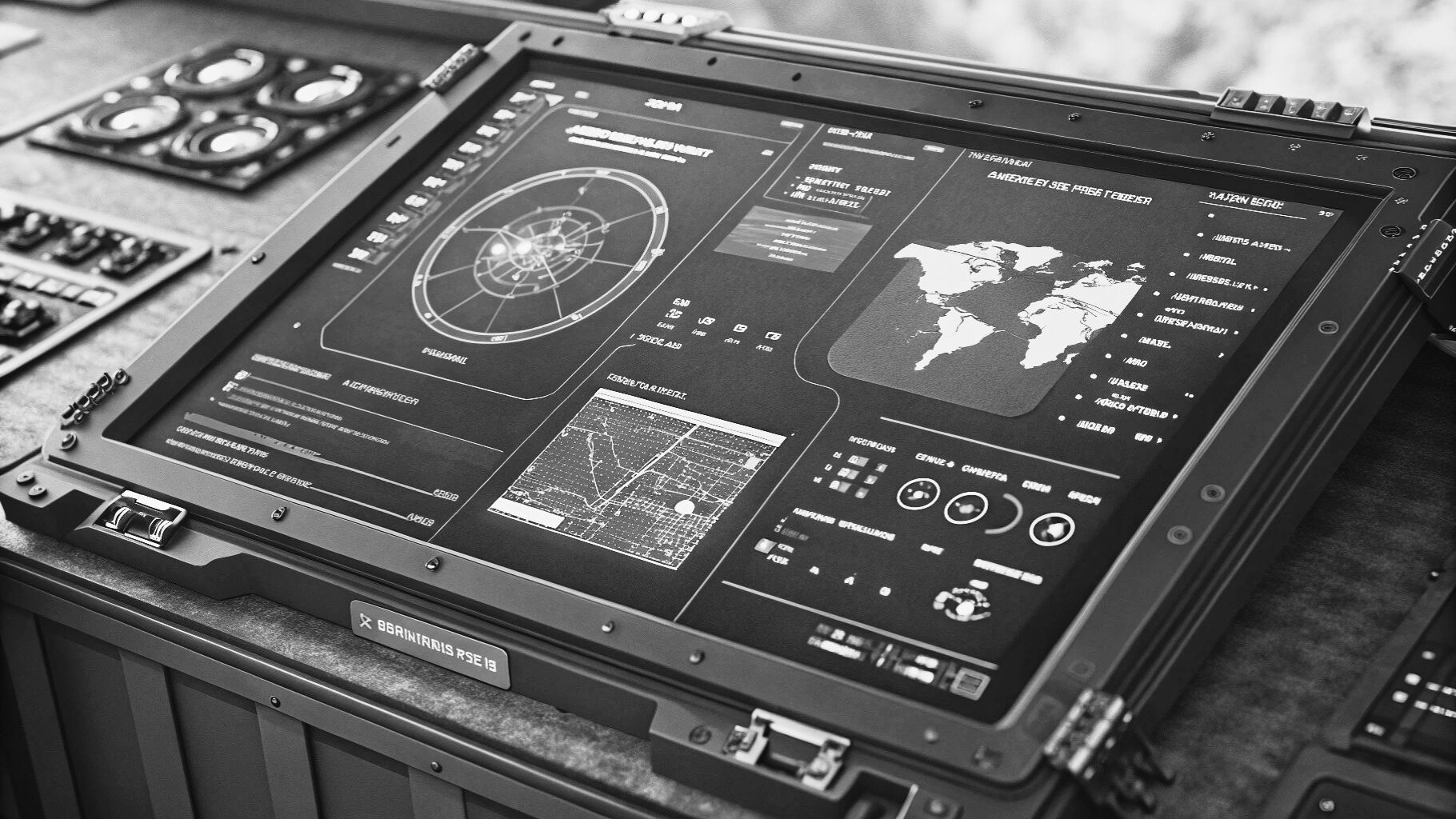
India’s Akashteer is an AI-enabled, fully automated Air Defence Control and Reporting System developed by Bharat Electronics Limited (BEL) in collaboration with the Defence Research and Development Organisation (DRDO) and the Indian Space Research Organisation (ISRO). It serves as a digital backbone for the Indian Army’s air defence network, helping manage low-level airspace and coordinate ground-based air defence assets through a centralized command architecture.
Key Operational Capabilities
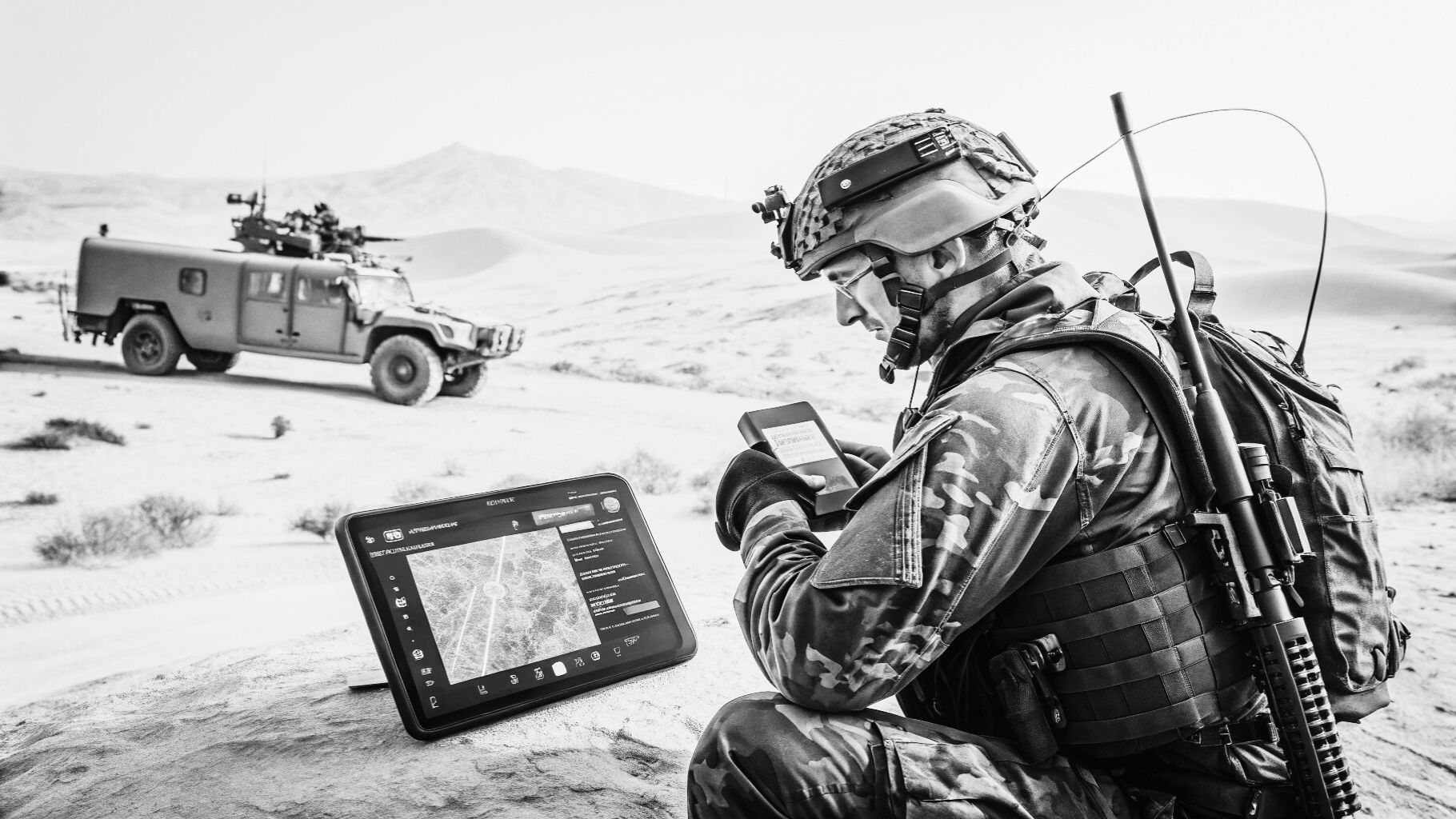
Cross-Platform Integration: Akashteer combines information from multiple radar systems, sensors, and weapon platforms to create a unified operational picture. Its architecture enables the integration of diverse military equipment, including systems of Russian and Western origin.
Ultra-Low Latency: The system is designed to reduce reaction times by automating threat detection, tracking, and weapon assignment. Reports have cited response times of around 2–3 milliseconds, helping minimize delays caused by manual decision-making during high-pressure engagements.
Combat Deployment: Akashteer was deployed during real-world operations, including Operation Sindoor, where it supported the coordination of short-range air defence units along India’s western border and helped counter incoming aerial threats.
Fratricide Prevention: By maintaining a common, real-time airspace picture across connected command centres and weapon batteries, Akashteer helps distinguish friendly and hostile assets, reducing the risk of fratricide while improving air defence coordination and interception effectiveness.