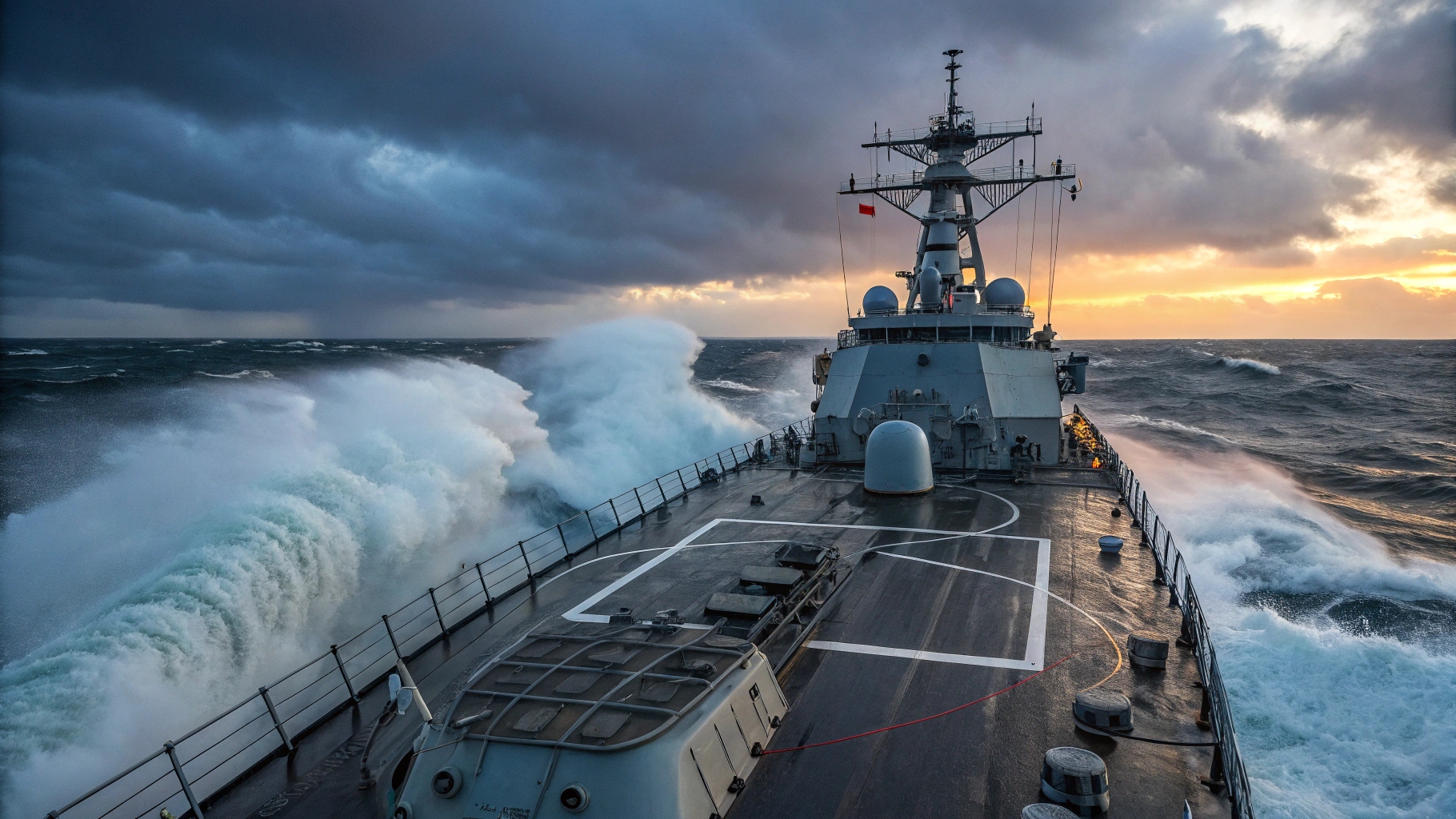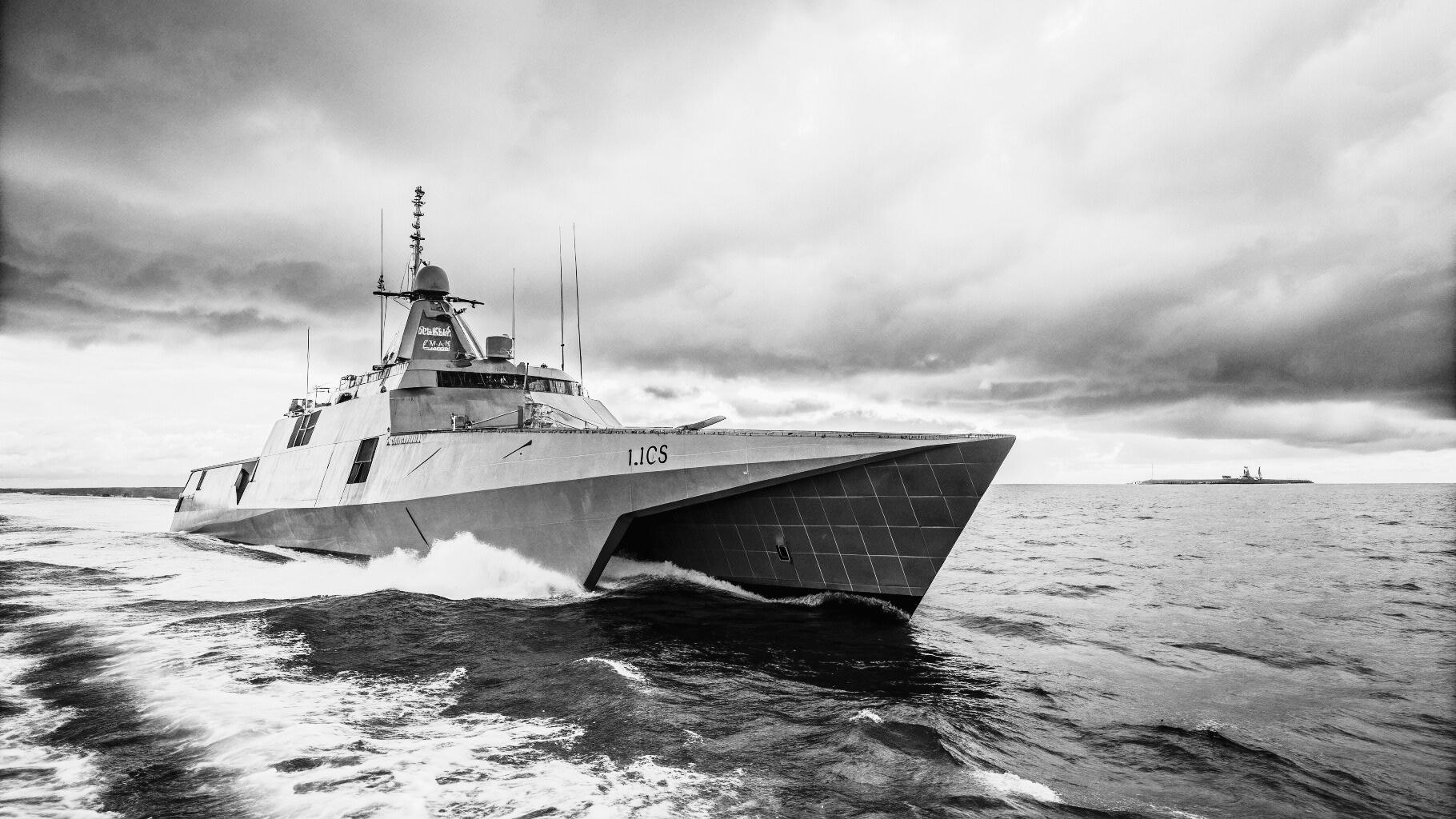
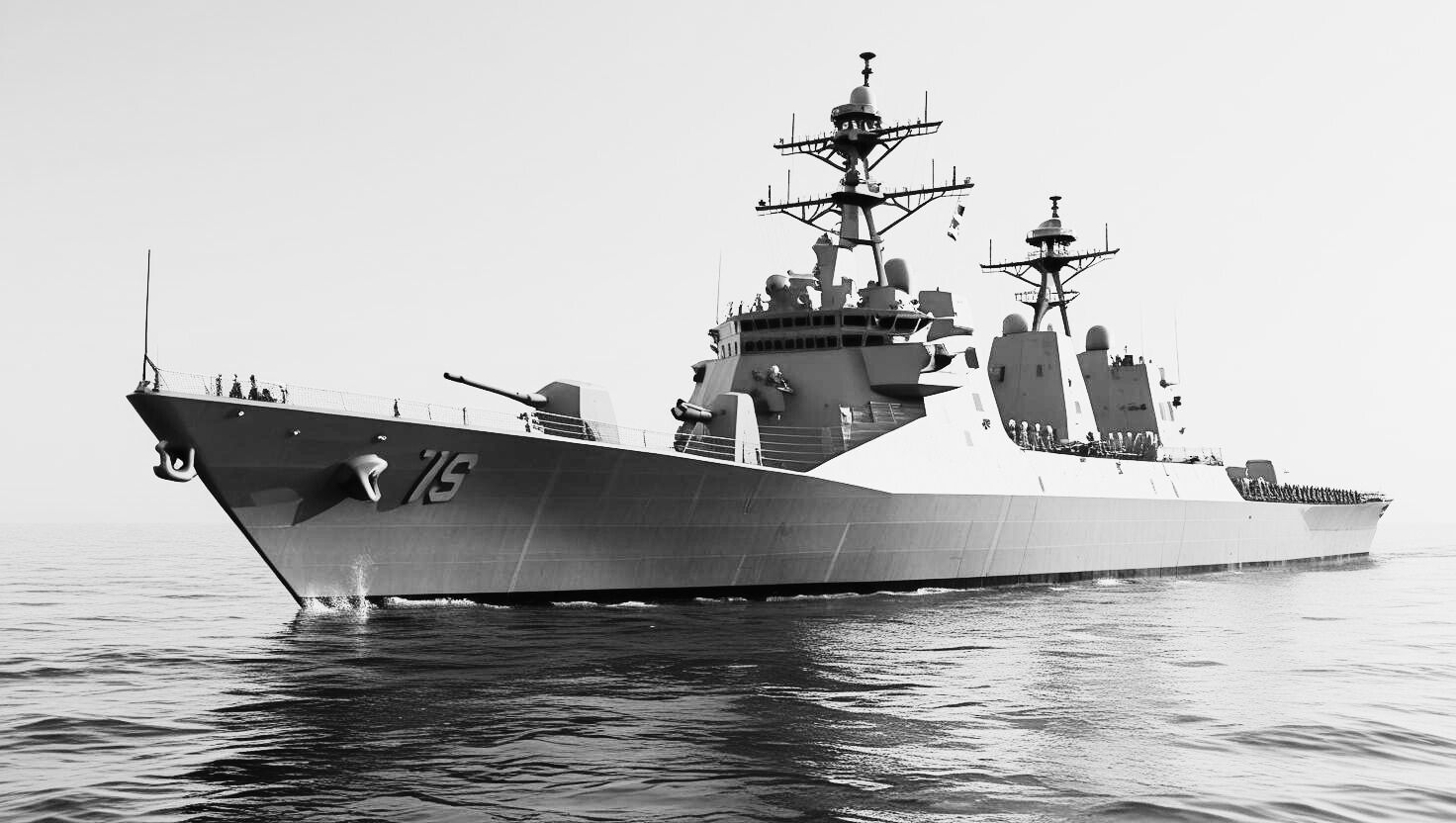
The Ministry of Defence has awarded Bharat Forge Limited a ₹425 crore contract to supply 12 indigenous Marine Gas Turbine Generators (MTGGs), marking a major advancement in the Indian Navy’s effort to modernize the power architecture of its frontline warships. Although the generators are primarily intended to replace existing auxiliary power systems aboard the Kolkata-class destroyers, they also lay the foundation for integrating future high-energy combat technologies such as Directed Energy Weapons (DEWs).
The contract encompasses manufacturing, delivery, installation support, and long-term maintenance of the 1.25 MW gas turbine generators, all of which will be produced in India. The programme represents another significant step toward strengthening indigenous capabilities in critical naval engineering while reducing dependence on overseas suppliers.
Warships operate using two independent power systems. The first powers propulsion through large gas turbines like the LM2500, which generate between 25 and 30 MW to drive the vessel. The second supplies electricity to mission-critical systems, including radars, sonars, electronic warfare equipment, communications, combat management systems, weapons, pumps, and numerous auxiliary functions.
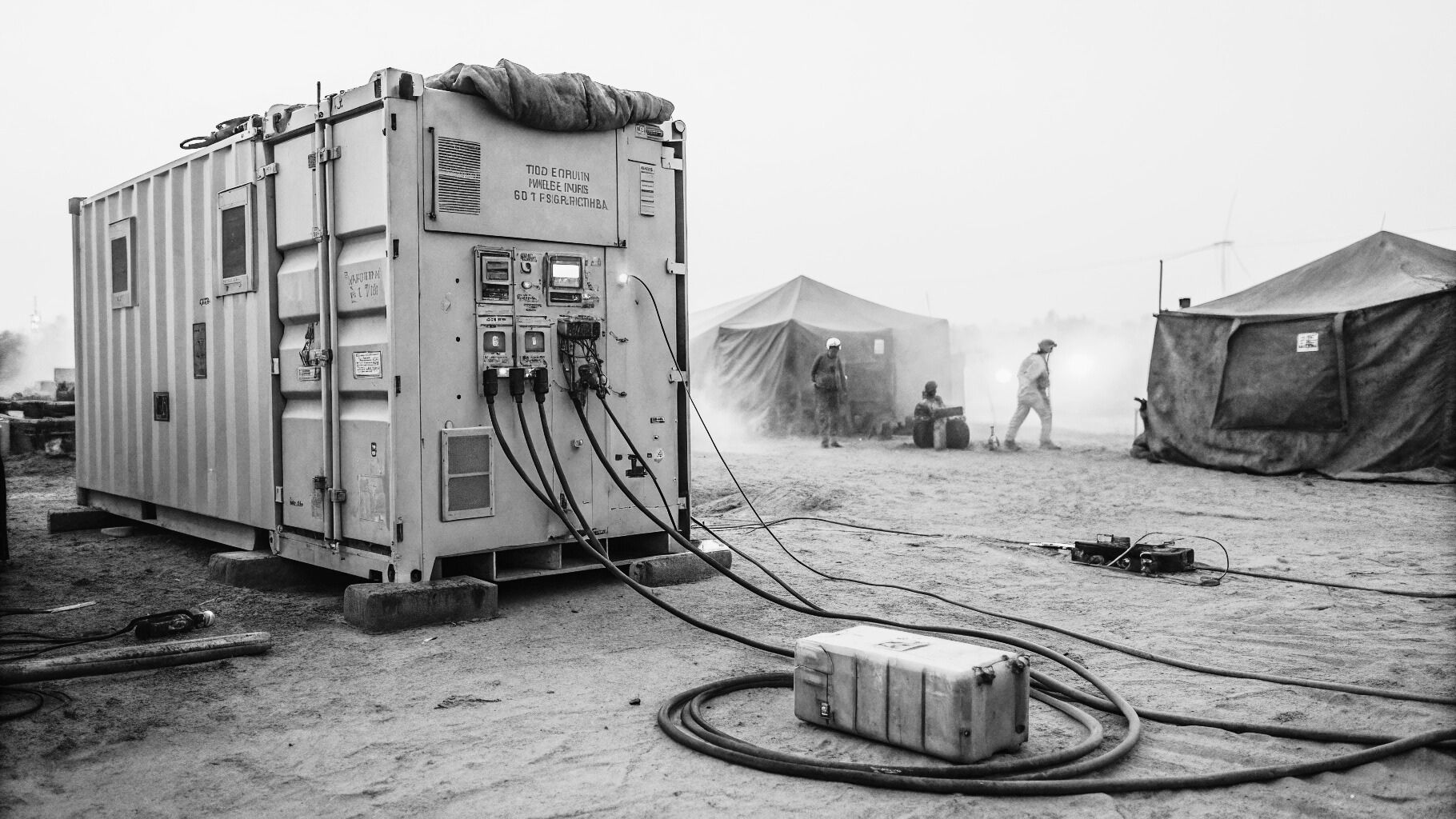
The new MTGGs are designed specifically to enhance this electrical generation capability. Each unit will deliver approximately 1.25 MW, replacing older diesel-powered generators that currently produce around 1 MW. Gas turbine generators offer several operational advantages, including higher power output within a smaller footprint, lower weight, and faster response to rapidly changing electrical demands.
These improvements will directly benefit the Kolkata-class destroyers by supporting advanced onboard systems such as the MF-STAR radar, sonar arrays, electronic warfare suites, communication equipment, and combat management systems. More importantly, the increased electrical generation creates substantial capacity for future capability enhancements.
With four generators expected to be installed aboard each of the Navy’s three Kolkata-class destroyers, individual ships could gain nearly 5 MW of auxiliary electrical power. This expanded capacity is considered essential for operating emerging technologies that require large and continuous power supplies.
Among the most promising future applications are Directed Energy Weapons, particularly high-energy laser systems intended for countering drones, intercepting missiles, and defending ships against close-range threats. Unlike conventional missile-based defences, laser weapons depend entirely on sustained electrical power, making robust onboard generation capacity a critical requirement.
As DRDO continues developing indigenous laser weapon technologies, warships equipped with higher electrical reserves will be well positioned to integrate systems in the 300–500 kW range, with potential for even more powerful weapons as technology matures.
The upgraded electrical infrastructure will also enable the deployment of more sophisticated radar systems, advanced electronic warfare capabilities, next-generation communications equipment, and increasingly complex sensor networks. In the future maritime battlespace, electrical power will play an increasingly central role in determining a warship’s combat effectiveness.
Beyond its operational impact, the programme is strategically important for India’s defence industry. Bharat Forge plans to use the MTGG project as a stepping stone toward developing larger auxiliary gas turbines and eventually propulsion-grade turbine systems, significantly enhancing domestic expertise in advanced power-generation technologies.
The generators are expected to be manufactured at Visakhapatnam, supporting the growth of India’s indigenous defence industrial base. By localizing production of critical naval equipment, the programme advances the country’s Atmanirbhar Bharat objectives while strengthening long-term technological capability in one of the most demanding areas of naval engineering.