India’s indigenous Bhargavastra counter-swarm drone defence system is entering the final phase of development, with Solar Defence and Aerospace Ltd. (SDAL) expecting to complete internal trials within the next two to three months. According to SDAL Chairman Satyanarayan Nuwal, the vehicle-mounted, multi-layered system has reached a key milestone on its path toward operational deployment.
Speaking after a live demonstration in Nagpur, Nuwal said the integrated platform has successfully completed multiple component-level trials and is now progressing toward comprehensive system evaluation. He noted that the platform is fully integrated and that all internal testing is expected to conclude within the coming months.
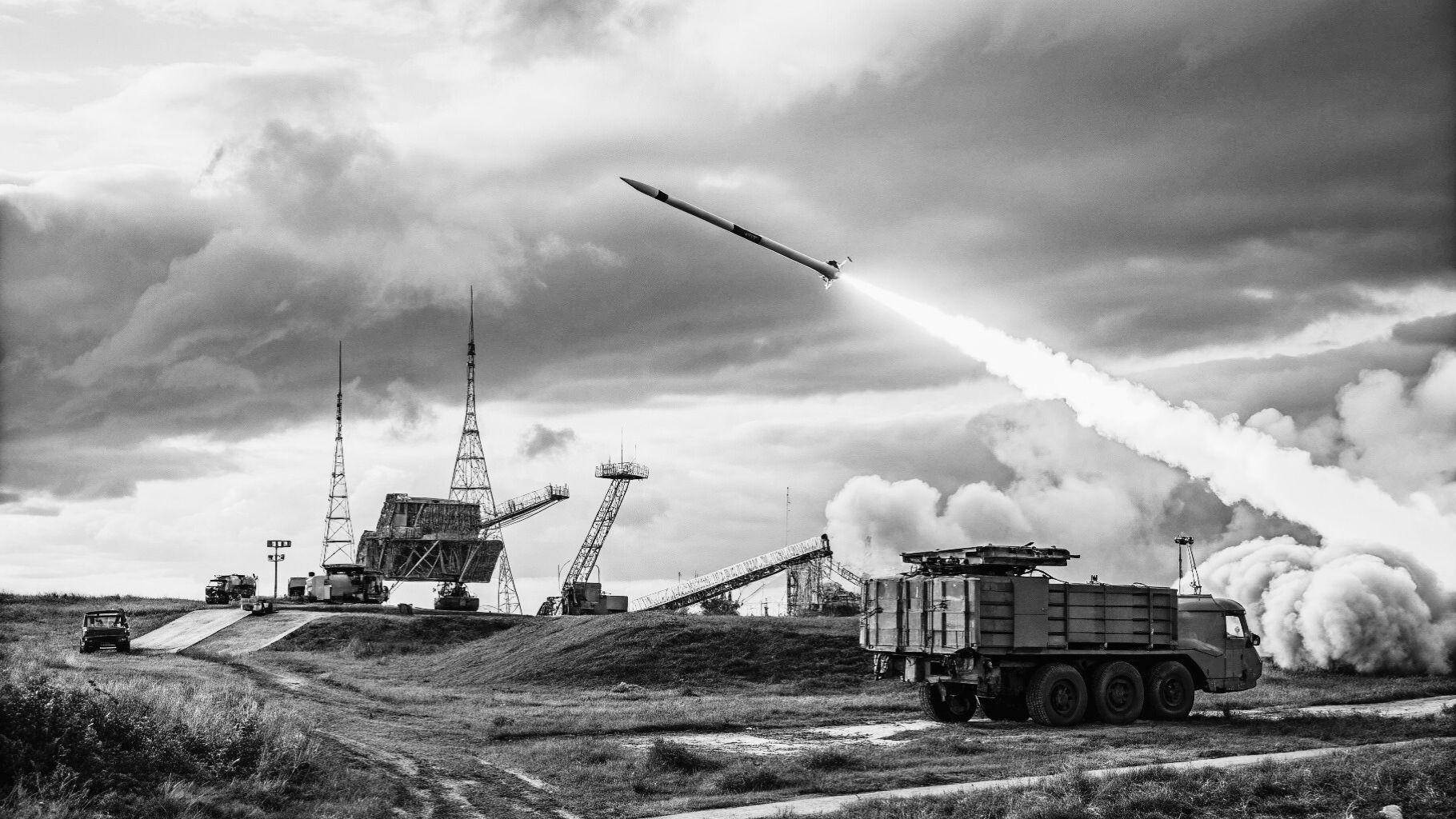
Nuwal revealed that Indian Navy officers reviewed the system before the demonstration, followed by Indian Army officials. He added that the system’s micro-missile had already undergone successful trials at Balasore and Pokhran, where the radar, electro-optical systems, command-and-control network, and missile were tested together, validating the platform as a complete operational solution.
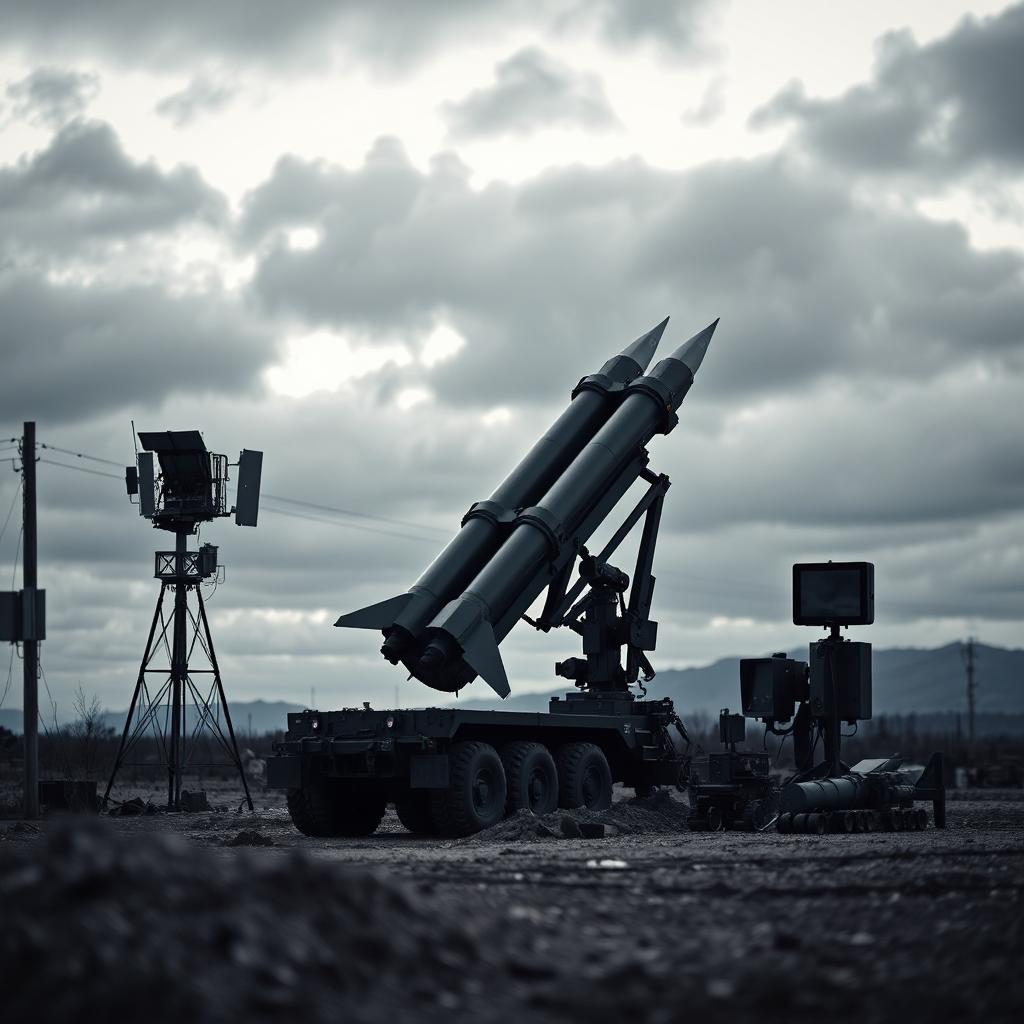
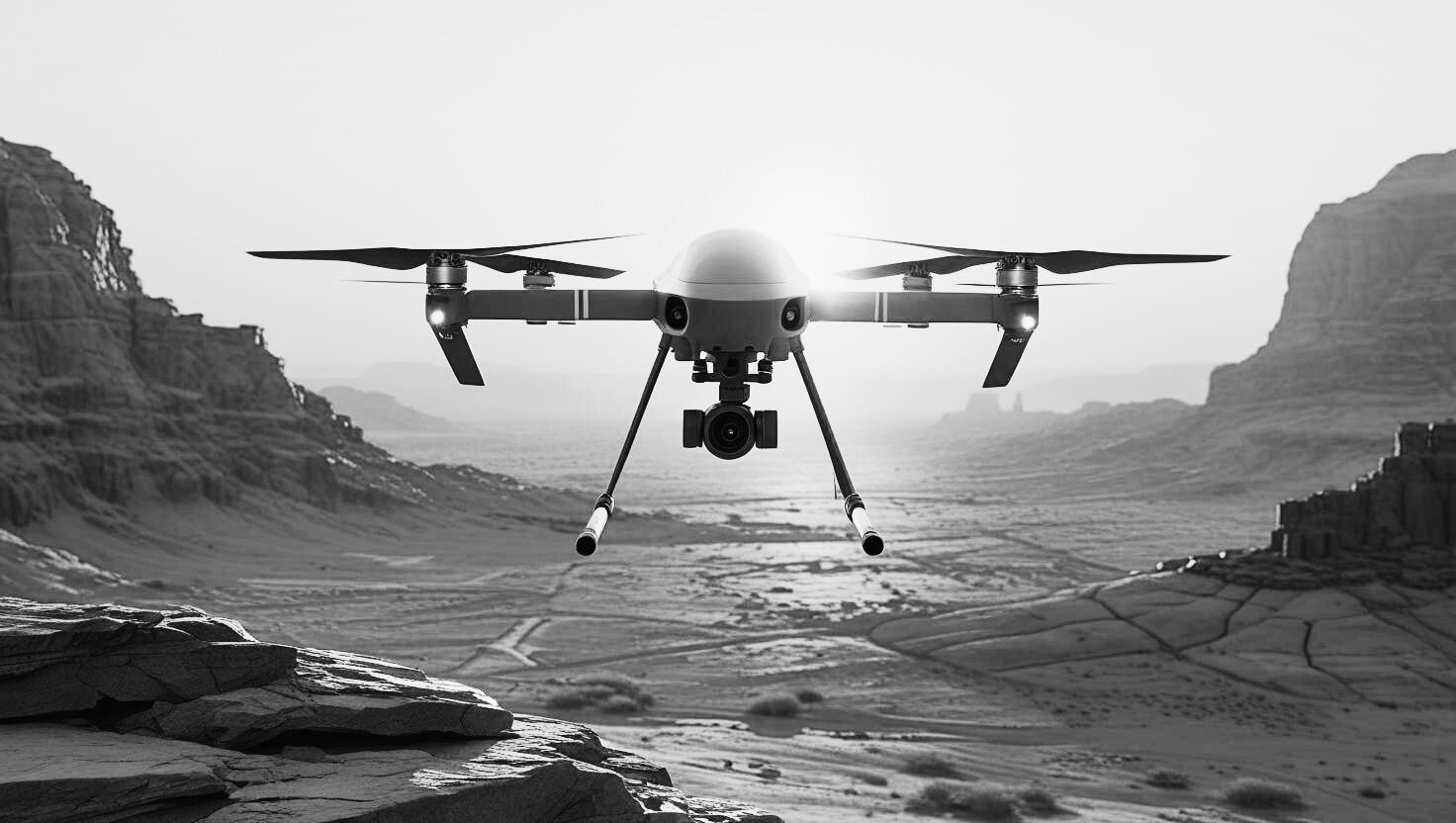
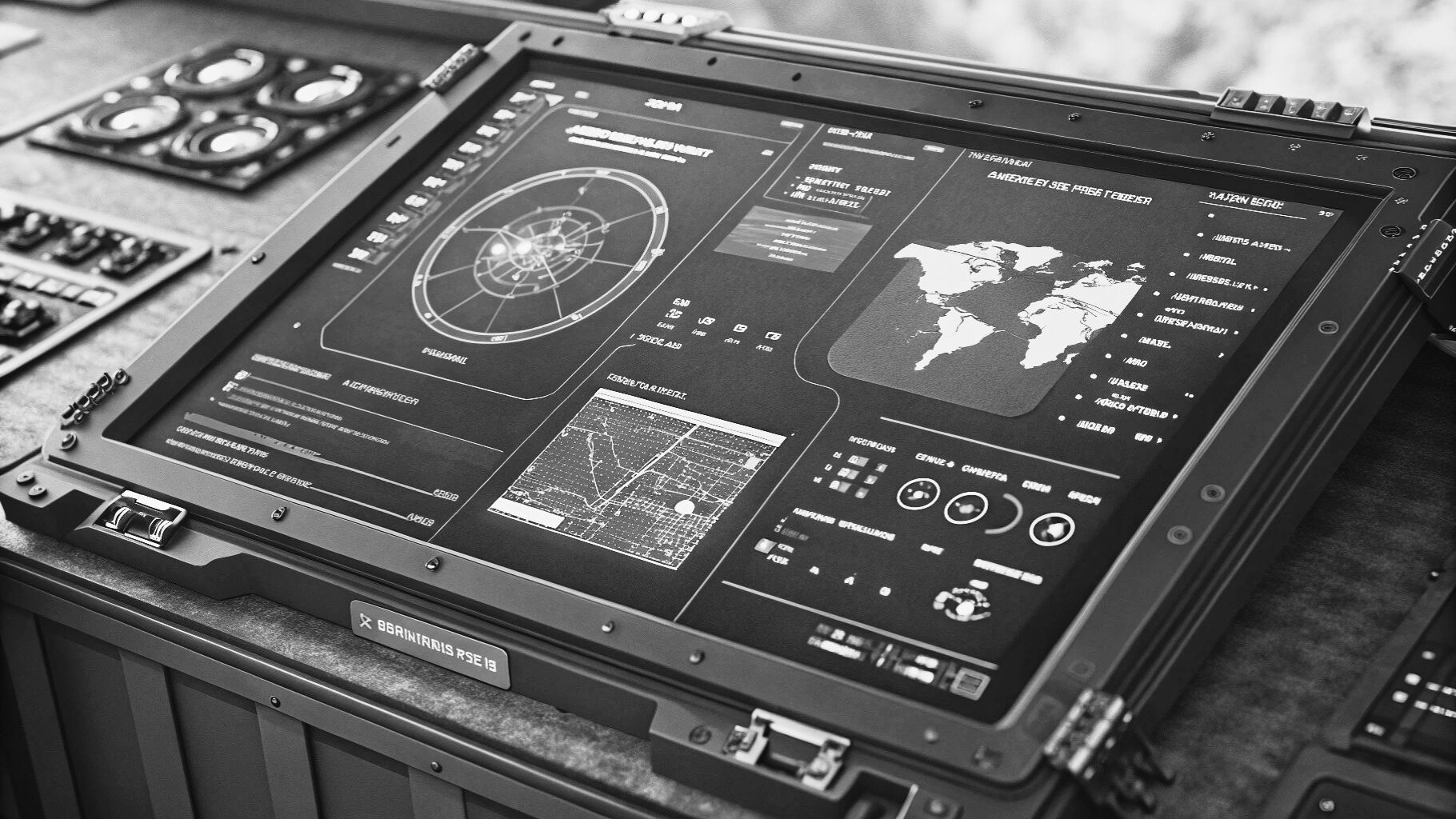
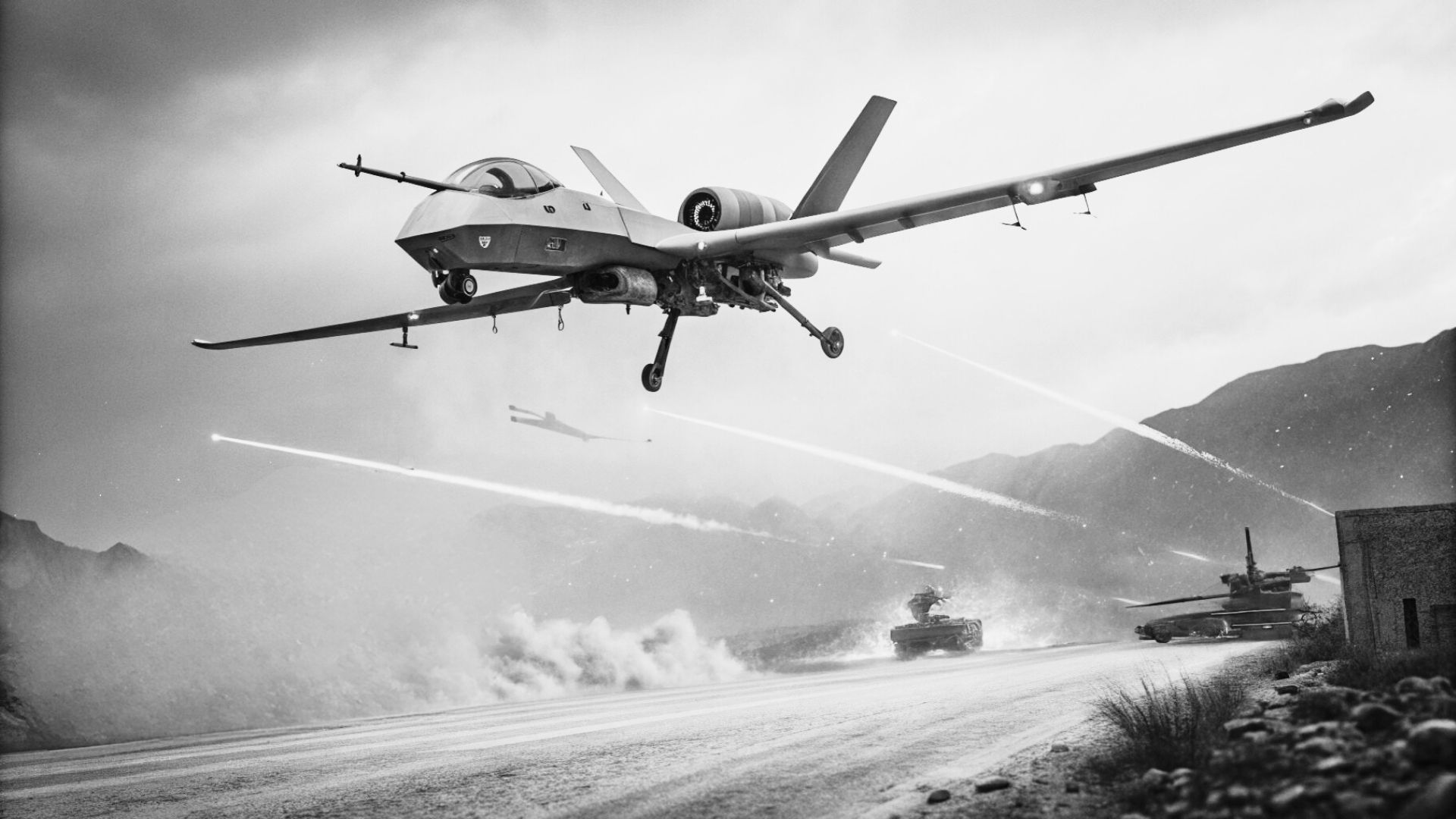
Designed as a cost-effective hard-kill defence system, Bhargavastra is intended to counter the growing threat posed by drones and loitering munitions, including autonomous platforms that are resistant to electronic warfare techniques such as jamming and spoofing. The Nagpur demonstration featured the complete system, including a Command-and-Control vehicle equipped with radar, electro-optical/infrared (EO/IR) sensors, passive radio-frequency detectors, and an integrated C4I network, supported by a launcher vehicle carrying multiple launch tubes.
Discussing its performance, Nuwal said the system’s radar can detect aerial targets at distances of up to 10 kilometres, while the Electro-Optical Tracking System (EOTS) provides tracking capability out to 6 kilometres—well beyond the Indian Army’s current operational requirement of 2.5 kilometres. He also confirmed that SDAL has already initiated development of a 6-kilometre-range missile to further enhance the system’s engagement capabilities.