India’s indigenous Project Kusha long-range air defence programme has reached another significant milestone, with the Kusha M1 interceptor missile exceeding its planned performance during recent trials. Satyanarayan Nuwal, Chairman of Solar Defence and Aerospace Ltd. (SDAL)—one of the programme’s Strategic Capacity Partners for Production (SCPP)—confirmed that the interceptor achieved a range of 145–150 kilometres, surpassing its original target of 130 kilometres.
According to Nuwal, the M1 interceptor was designed to demonstrate a 130-kilometre range during the trial but delivered considerably better performance. The extended range is viewed as an encouraging indication of the missile’s propulsion efficiency and engineering margins, as interceptor systems are often capable of exceeding baseline specifications once validated under real-world test conditions.
A subsidiary of Solar Industries India Ltd., Nagpur-based SDAL is responsible for supplying solid rocket motors and advanced propellants for Project Kusha, making the company’s assessment of the missile’s propulsion performance particularly significant.
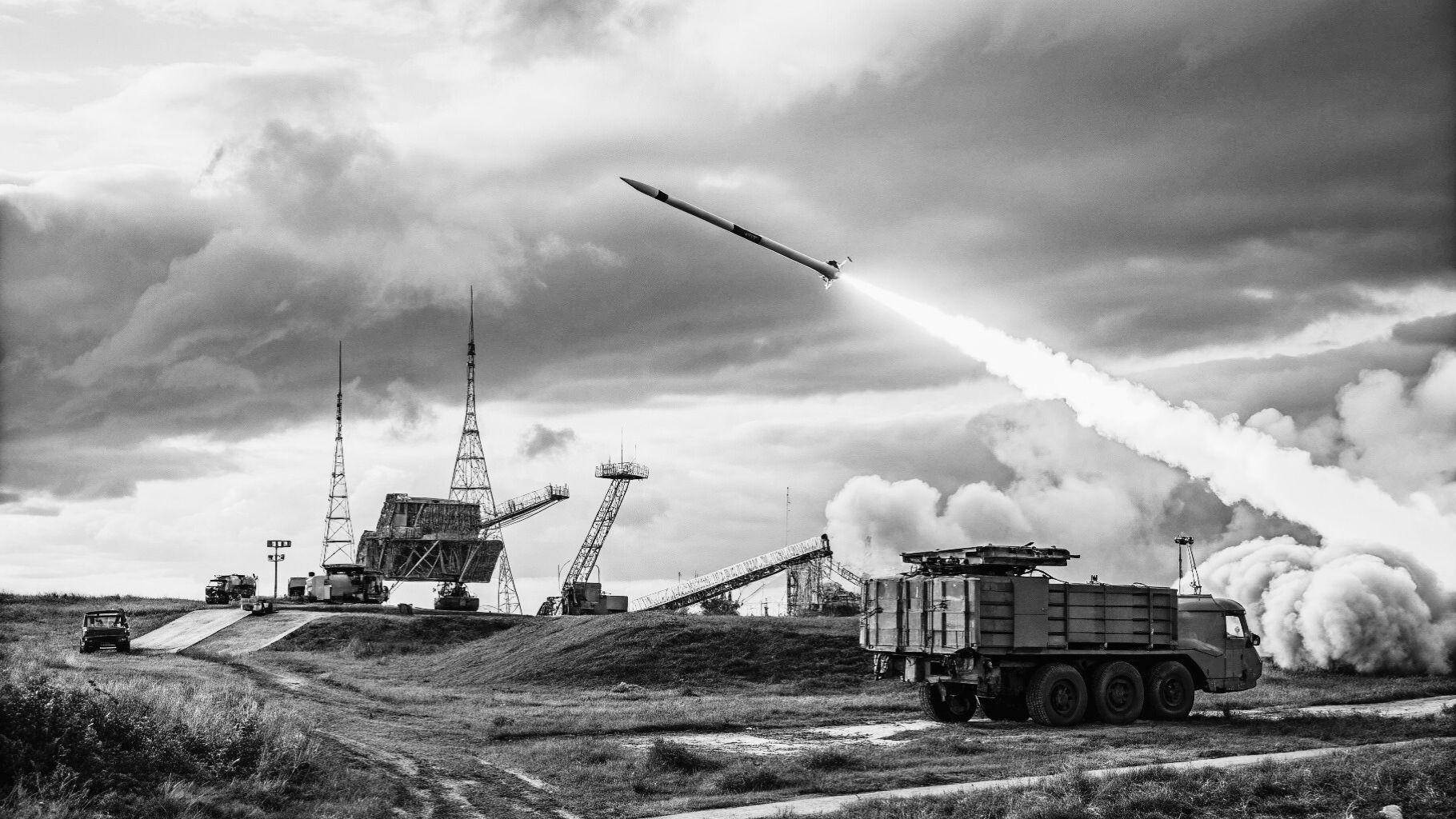
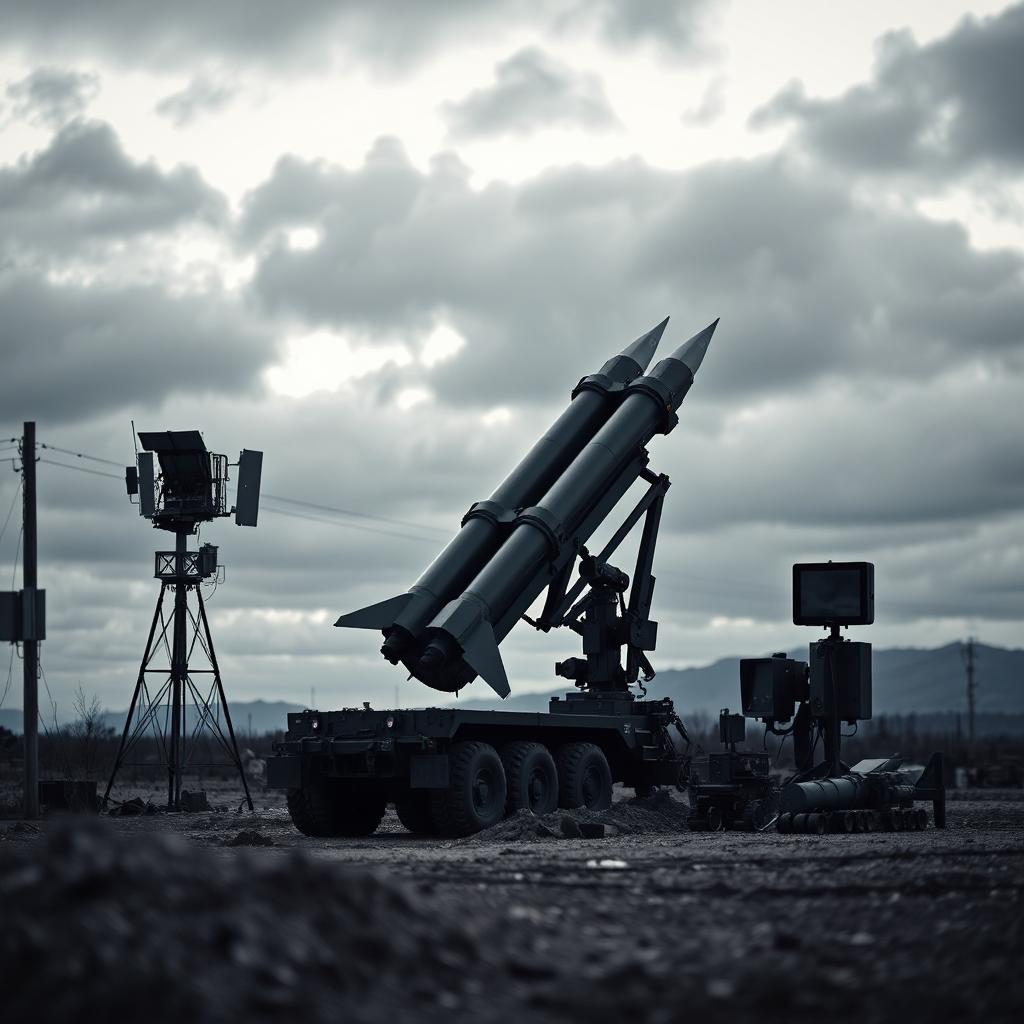
The Defence Research and Development Organisation (DRDO) recently conducted the maiden flight test of the Kusha Long-Range Surface-to-Air Missile (LRSAM) system from APJ Abdul Kalam Island off the Odisha coast. During the test, the M1 interceptor successfully engaged a high-speed, high-altitude electronic target simulating an incoming aerial threat, achieving all mission objectives. While the M1 variant is intended to intercept threats at around 150 kilometres, the M2 version is expected to extend the engagement range to approximately 250 kilometres.
The successful trial, combined with the missile’s higher-than-expected range, highlights the rapid progress of Project Kusha as it transitions from developmental validation toward operational capability.
Beyond Project Kusha, SDAL continues to strengthen its role in India’s defence sector through programmes such as the Bhargavastra counter-drone system and indigenous loitering munitions. The company’s expanding involvement aligns with the Aatmanirbhar Bharat initiative, which seeks to enhance domestic production of critical missile technologies and reduce dependence on imported components.
With the M1 interceptor demonstrating performance beyond its initial design goal, focus will now shift toward the development and testing of the M2 and M3 variants, designed to achieve interception ranges of 250 kilometres and 350–400 kilometres, respectively. Additional developmental trials are expected before the interceptors enter operational service later this decade.