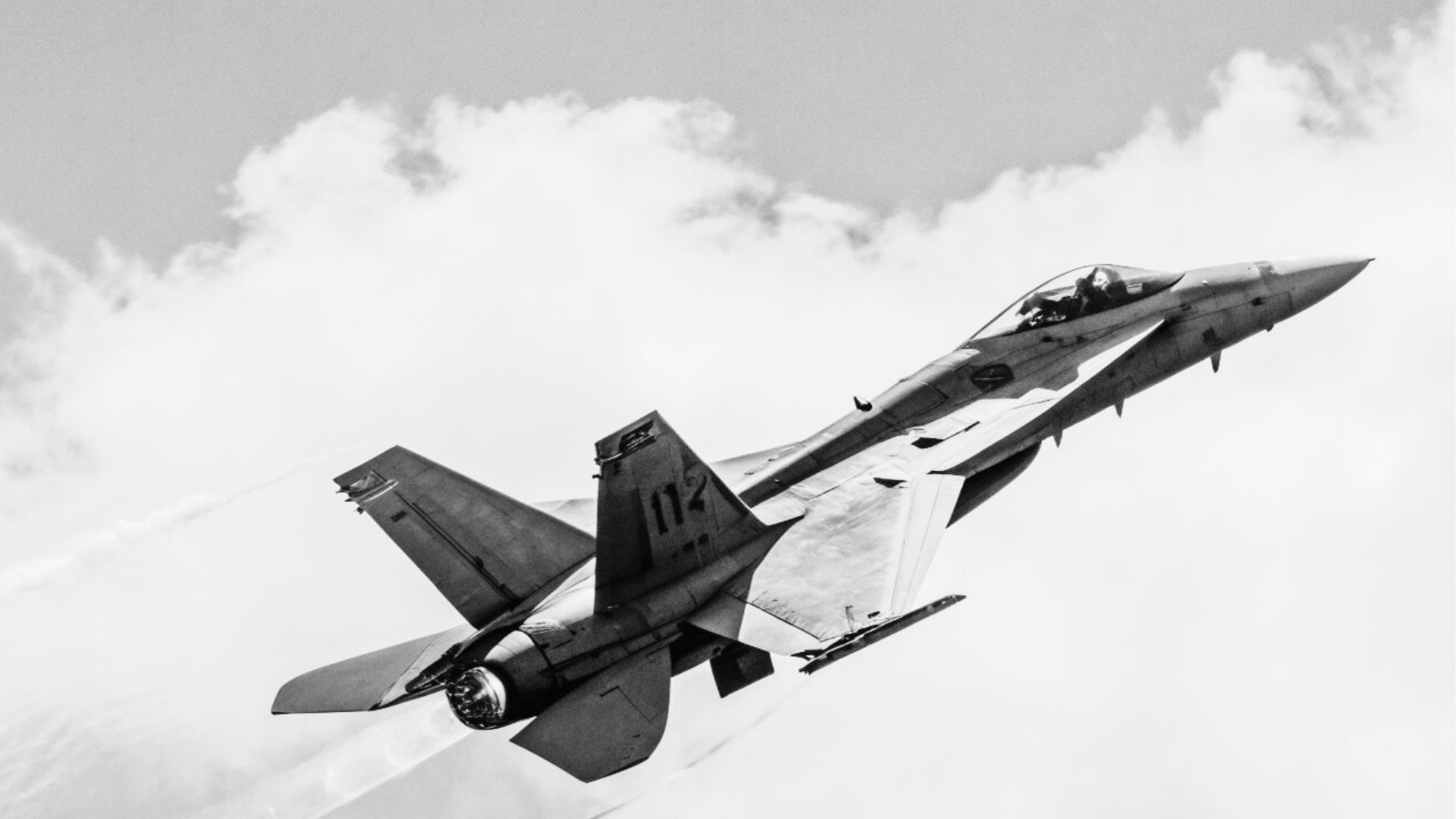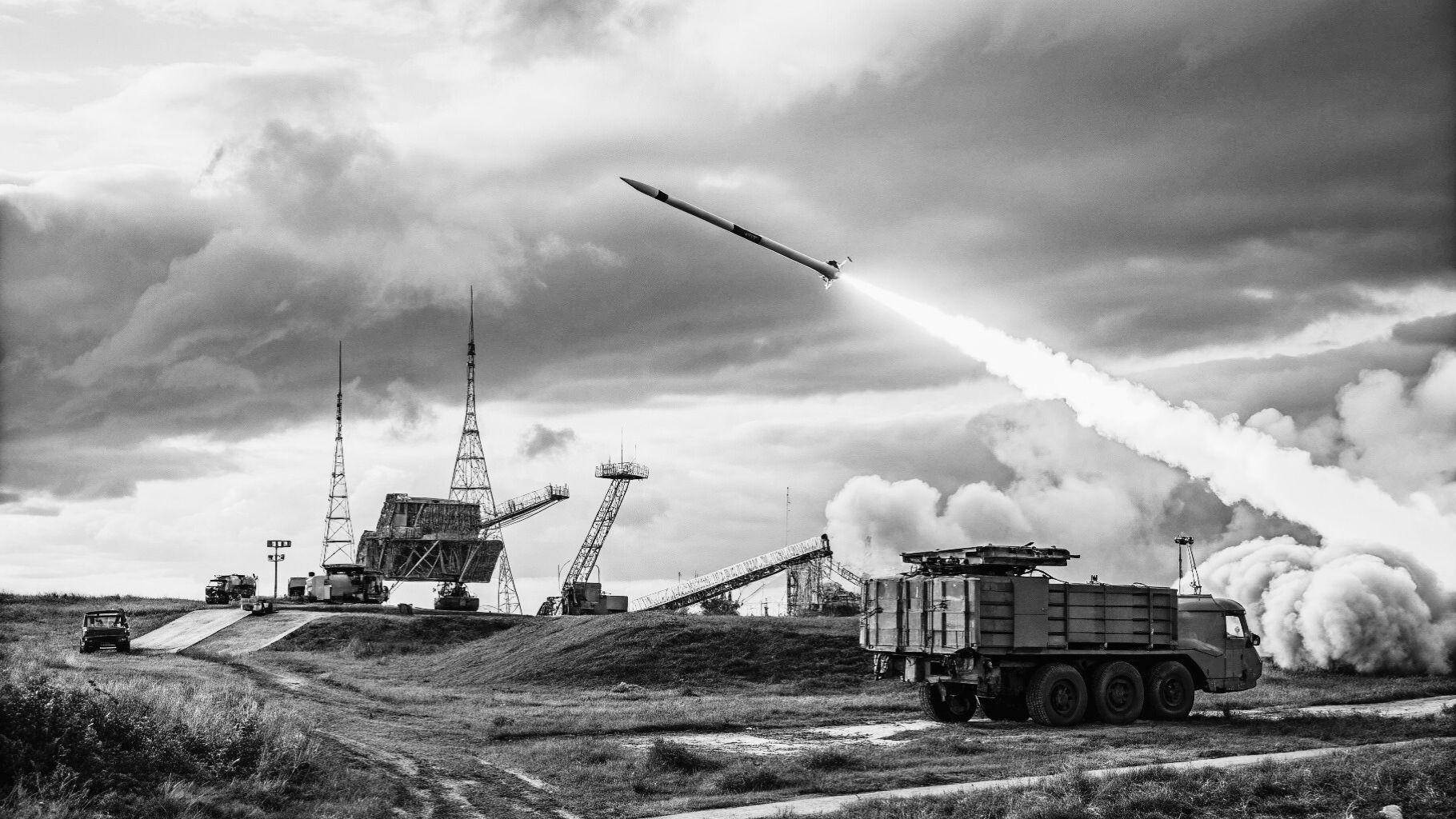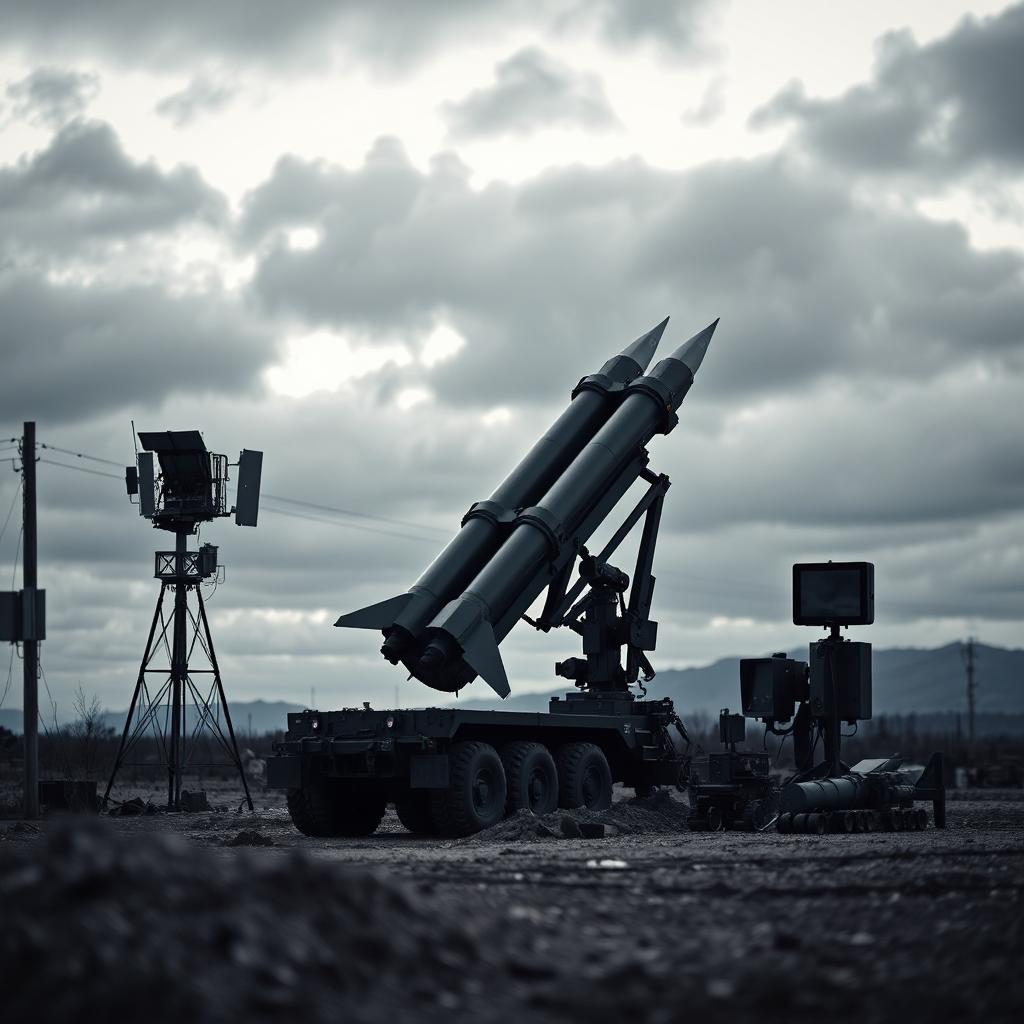
Future conflicts are unlikely to be determined by static defensive positions alone. Instead, success may increasingly depend on layered networks of unmanned and electronic systems capable of detecting, tracking, disrupting, and engaging enemy forces well before they reach the main contact line. As the Indian Army moves toward Integrated Battle Groups (IBGs), one concept worth considering is a 40-kilometre-deep unmanned kill web integrating intelligence, surveillance, and reconnaissance (ISR), loitering munitions, FPV drones, electronic warfare, and counter-drone capabilities.
Rather than treating the battlefield as a single defensive line, this approach would establish multiple engagement belts extending from the contact line to approximately 40 kilometres into enemy-controlled territory. Each layer would serve a distinct role, ensuring that advancing forces are continuously detected, disrupted, and weakened before they can launch a coordinated assault.
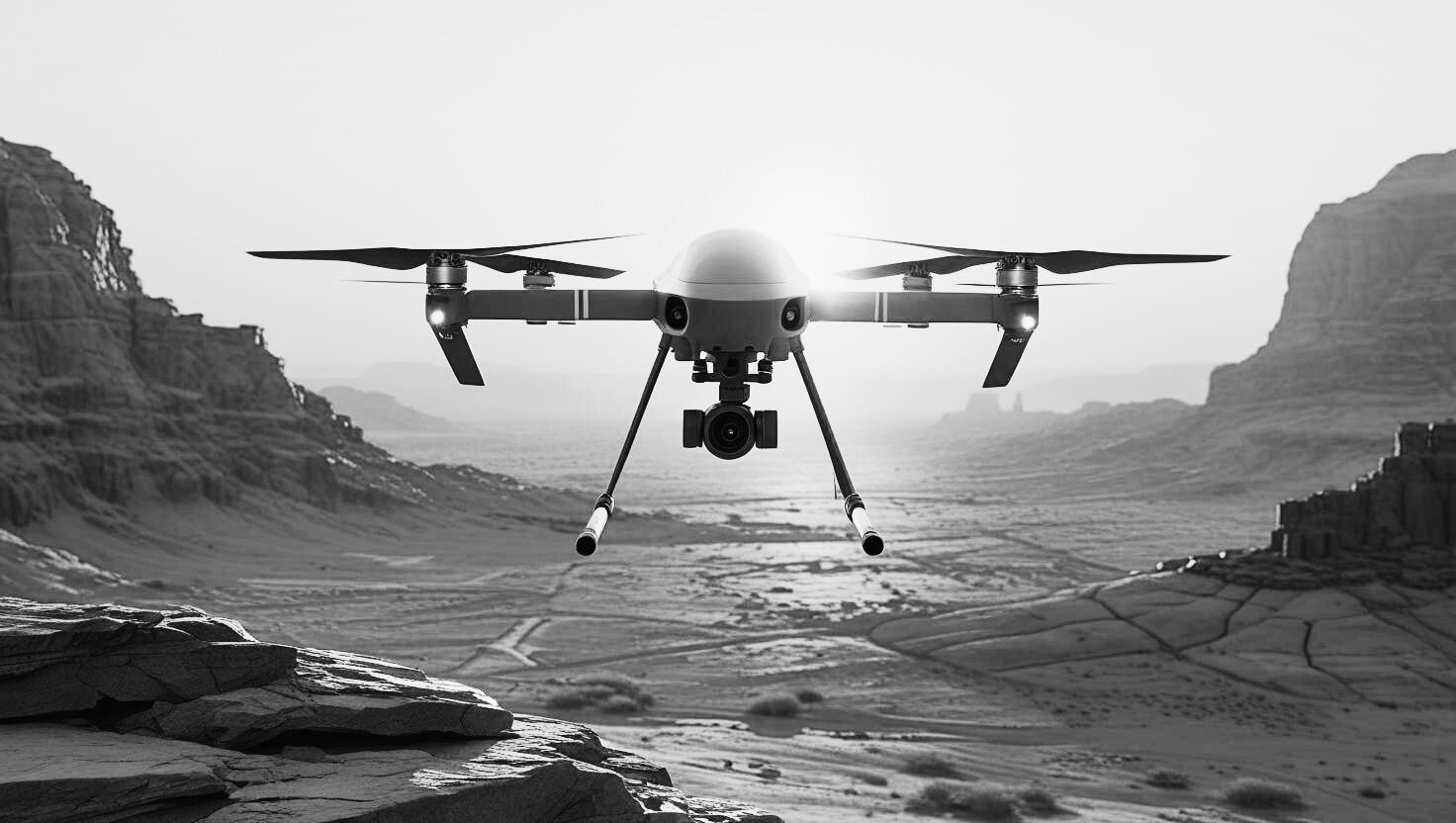
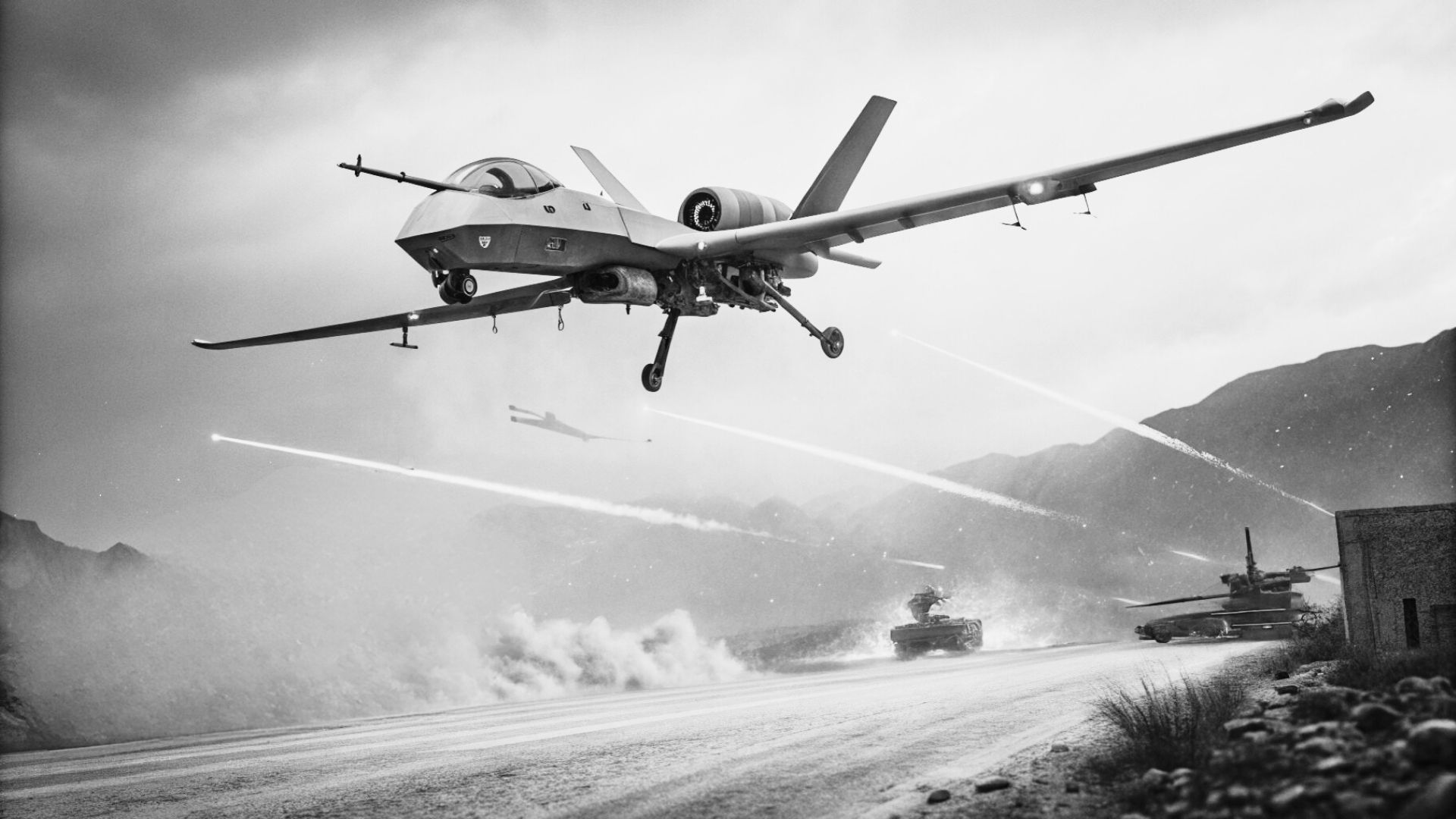
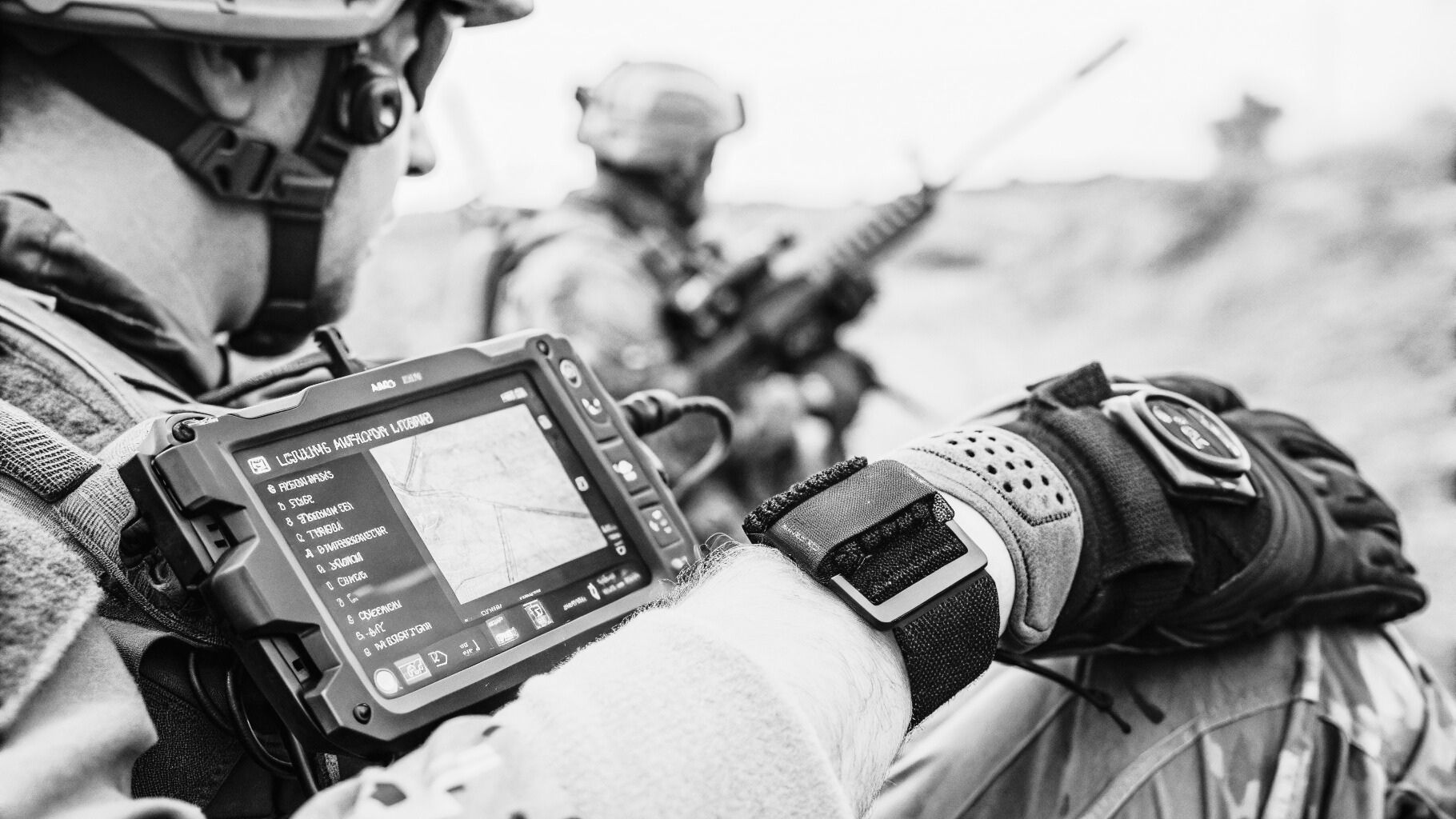
The outermost layer could focus on persistent ISR. Long-endurance unmanned aerial systems equipped with electro-optical, infrared, and synthetic aperture radar sensors could monitor assembly areas, logistics hubs, artillery positions, and other critical assets. The intelligence gathered could feed directly into command-and-control networks, enabling IBGs to identify concentrations of armour, mechanised forces, and missile systems before offensive operations begin.
Once hostile activity is identified, a deeper strike layer could employ long-range loitering munitions and precision artillery. Autonomous and precision-guided systems could engage high-value targets such as artillery batteries, command vehicles, air-defence radars, and ammunition storage facilities before advancing forces approach Indian positions. Early disruption of these assets could reduce the combat effectiveness of an attacking formation.
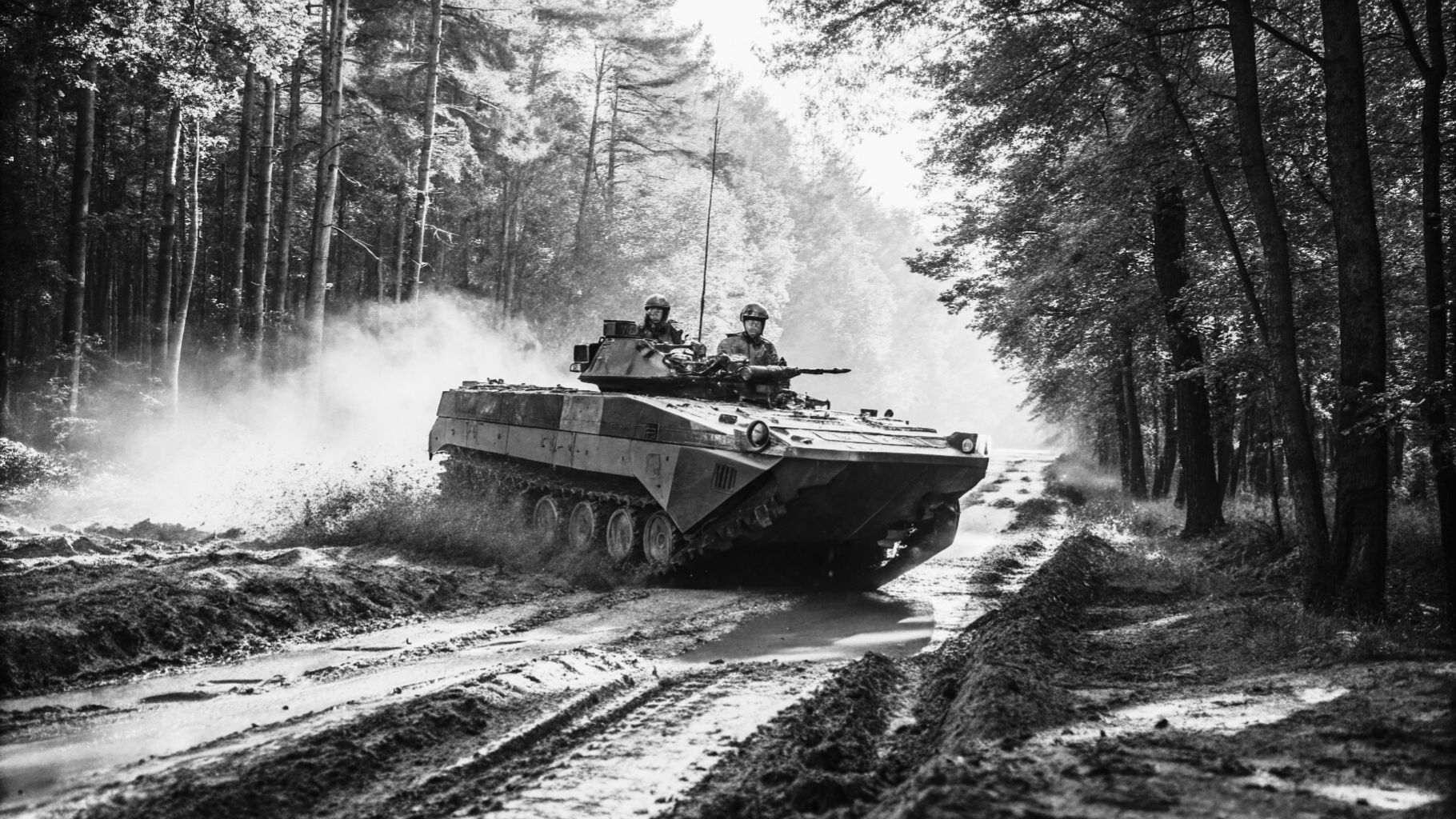
As enemy forces move closer, the focus could shift toward logistics disruption. FPV drones, autonomous strike UAVs, and precision-guided weapons could target fuel vehicles, engineering equipment, bridge-laying systems, and supply convoys. Since modern mechanised forces rely heavily on continuous logistical support, sustained attacks on these assets could delay or weaken an offensive without requiring direct engagement with frontline combat formations.
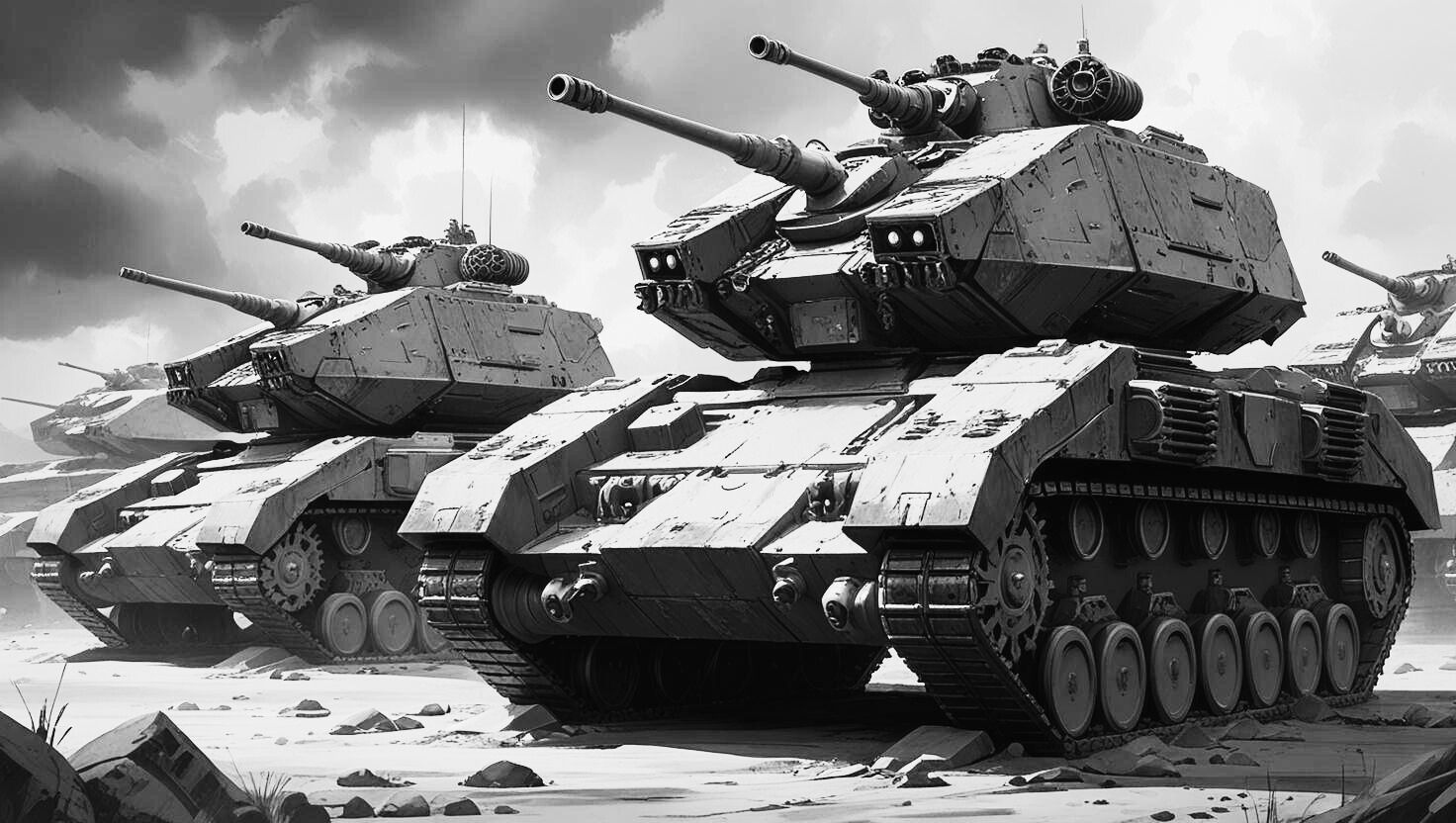
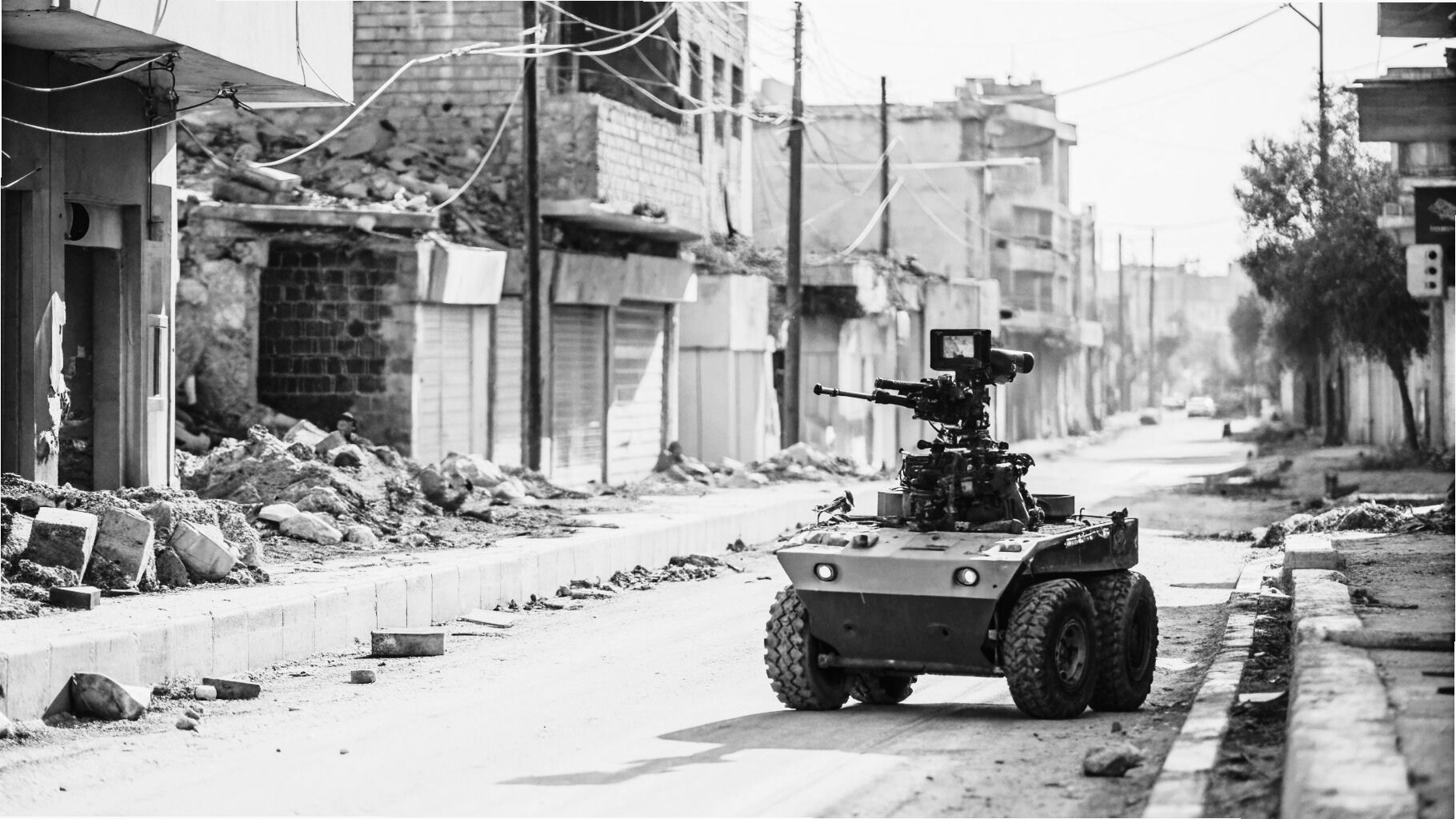
The final defensive belts could feature a dense concentration of short-range FPV drones, loitering munitions, and anti-armour weapons. Large numbers of relatively inexpensive drones could be used against tanks, infantry fighting vehicles, and engineering units attempting to breach defensive positions. Their lower cost compared with major armoured platforms could provide defenders with a more economically efficient means of imposing losses.
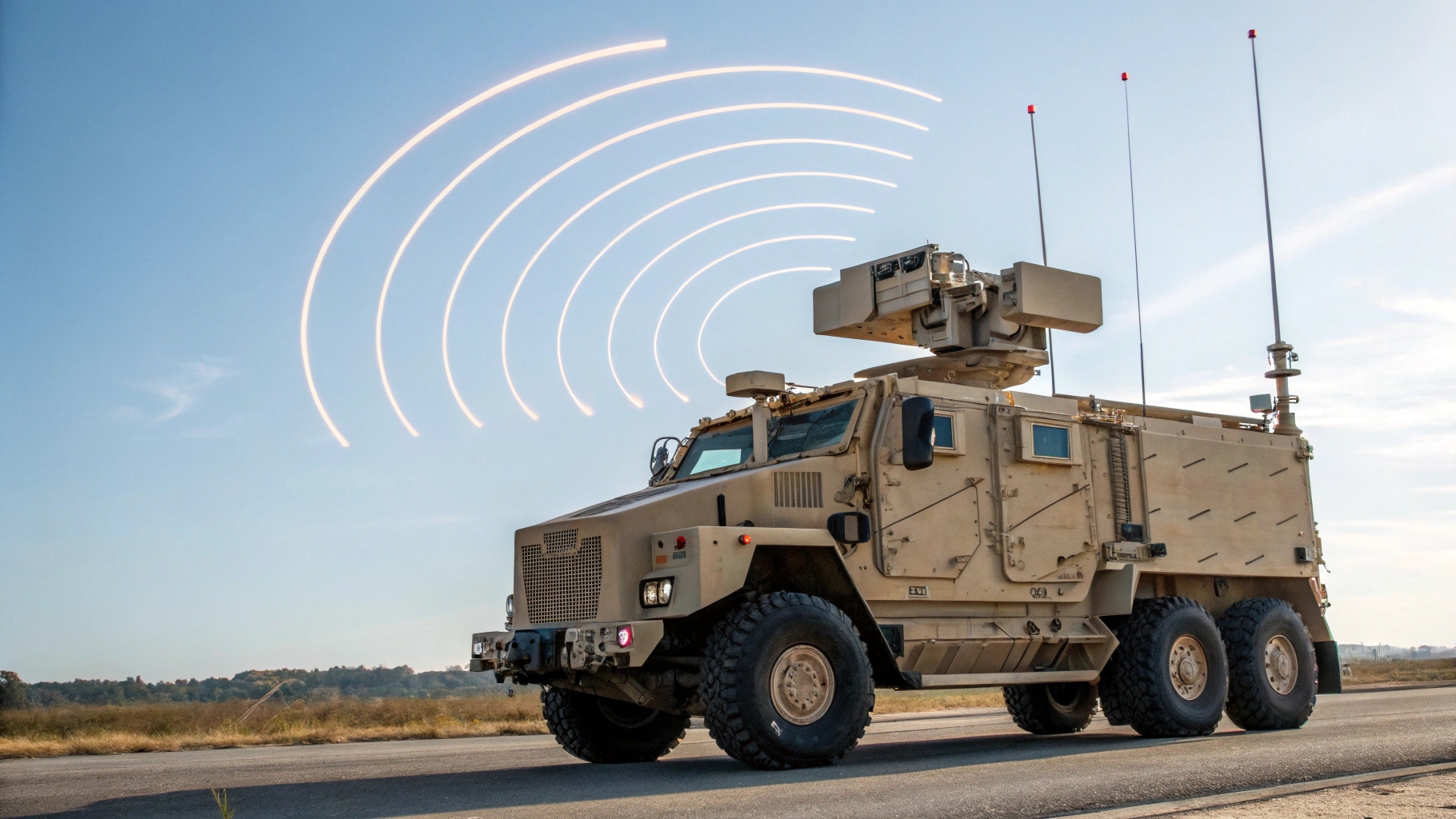
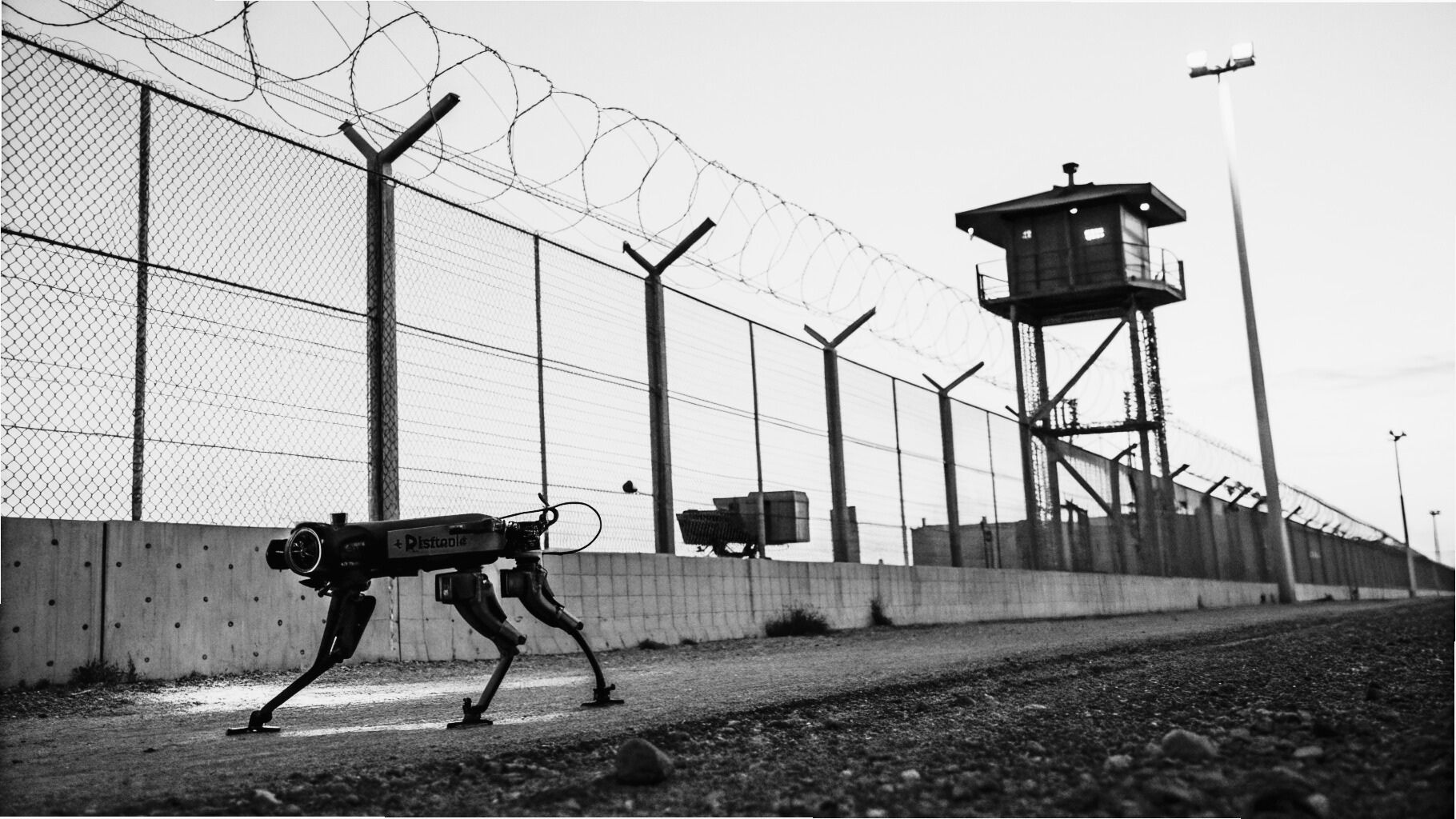
Counter-unmanned aerial systems would be equally critical to the overall architecture. Each layer would require the ability to detect, track, jam, intercept, or otherwise neutralise hostile drones. Mobile anti-drone radars, radio-frequency jammers, directed-energy systems, and interceptor drones could help protect friendly forces and critical assets while limiting the adversary’s ability to use unmanned systems.
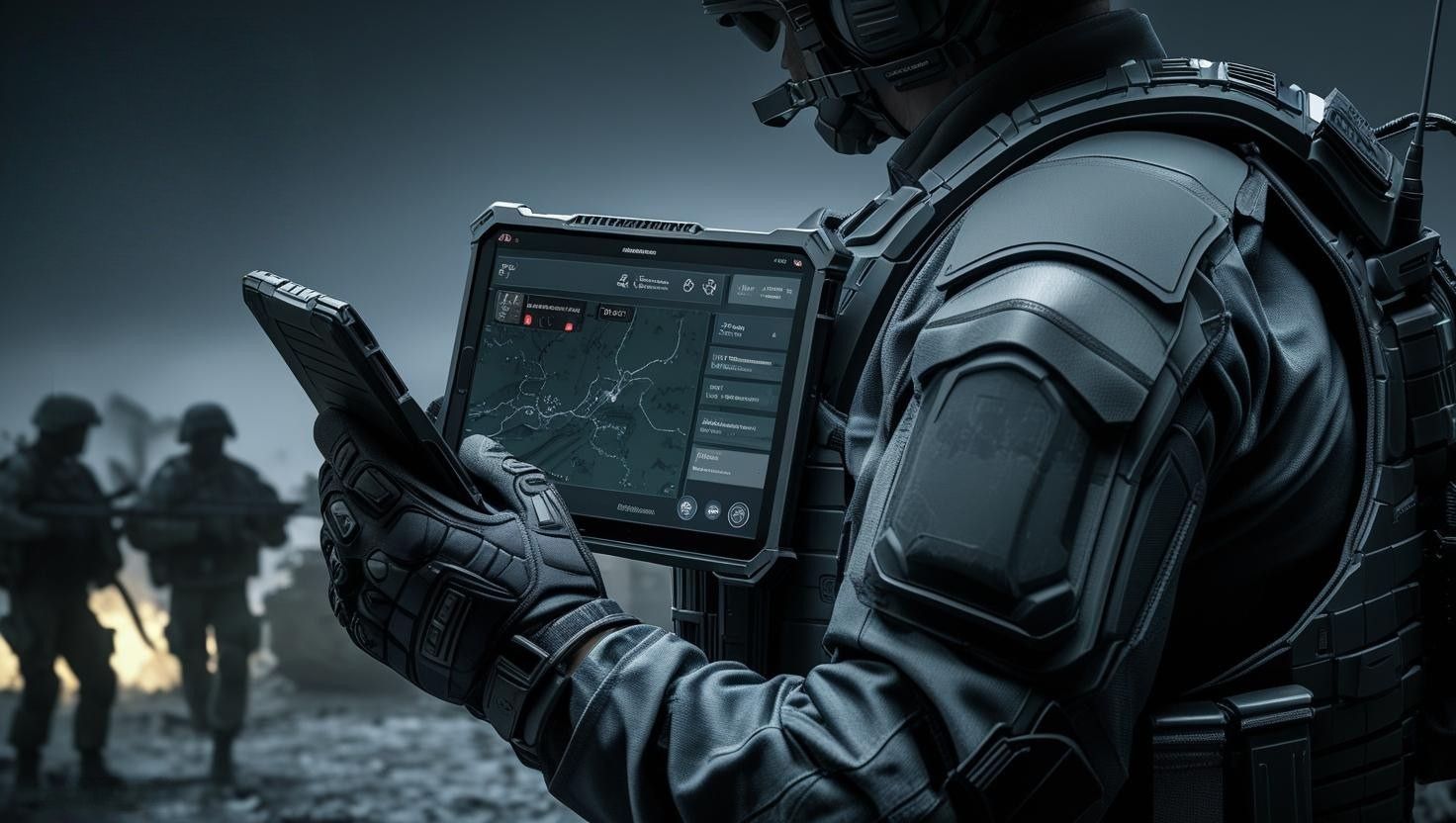
Artificial intelligence could form the backbone of this networked architecture. Thousands of sensors, drones, and ground-based systems would generate large volumes of battlefield data. AI-enabled command systems could assist in prioritising threats, coordinating unmanned assets, recommending weapon allocation, and accelerating engagement decisions, significantly reducing the sensor-to-shooter timeline.
Such a layered approach could also align with India’s growing investment in indigenous unmanned and electronic warfare technologies. ISR platforms, loitering munitions, autonomous logistics systems, electronic warfare equipment, satellite imagery, and integrated fire-control networks could contribute to different parts of the wider kill web, enabling IBGs to function as highly connected and responsive combat formations.
The ultimate objective would extend beyond simply stopping an adversary at the front line. A layered unmanned kill web would aim to continuously degrade enemy combat capability across operational depth. By the time hostile forces reached Indian defensive positions, their reconnaissance systems, logistics networks, artillery assets, command infrastructure, and armoured spearheads could already have been significantly weakened.